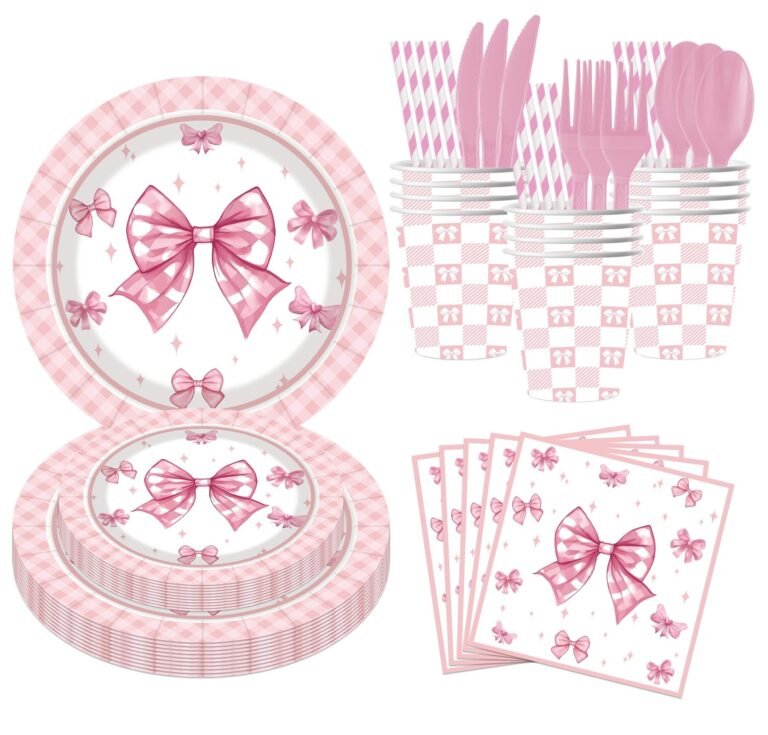
Christmas Merchandising Plan: In-Store Layout and Category Buy

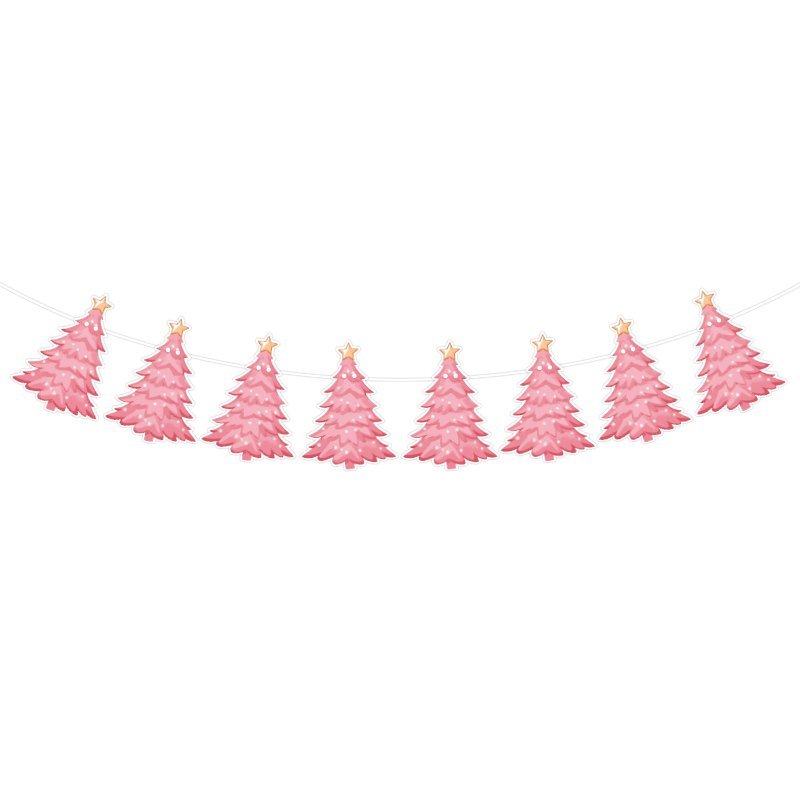
A Christmas merchandising plan helps me turn a seasonal product list into a coordinated shopping experience. Without one, a store can fill with attractive but disconnected items, uneven stock levels, and displays that are difficult to shop. I recommend starting with the customer journey[1], then connecting layout, product roles, category depth, and purchasing constraints.
Quick Answer
A practical Christmas merchandising plan should begin with the intended store experience rather than a list of popular products. I recommend defining a theme, color direction, shopping occasion, and available display space first. Then I would assign products to clear roles[2]: traffic drivers, core sales items, complementary add-ons, and gift or margin-focused products. The final buy should reflect visual consistency, supplier capability, MOQ, customization needs, delivery timing, and the space available in each store.
- Define the seasonal theme and shopper mission before choosing SKUs.
- Divide the assortment into clear category roles.
- Build connected product series instead of unrelated Christmas categories.[3]
- Match buy quantities to store space, sales channels, and replenishment options.
- Confirm samples, packaging, compliance documents, and delivery conditions before placing the order.
A well-structured Christmas merchandising plan gives buyers a stronger basis for supplier discussions. It also makes it easier to explain why a product belongs in the assortment, how it supports another category, and what the store should look like when the goods arrive. The sections below show how I would move from a display idea to a practical seasonal buy.
Christmas Merchandising Plan: In-Store Layout Category
A weak Christmas display often begins with a familiar problem: the buying team selects popular decorations, gifts, tableware, and accessories separately. The result may contain good products, but the customer sees no clear story. I recommend using the layout category as the bridge between the creative idea and the purchase order.
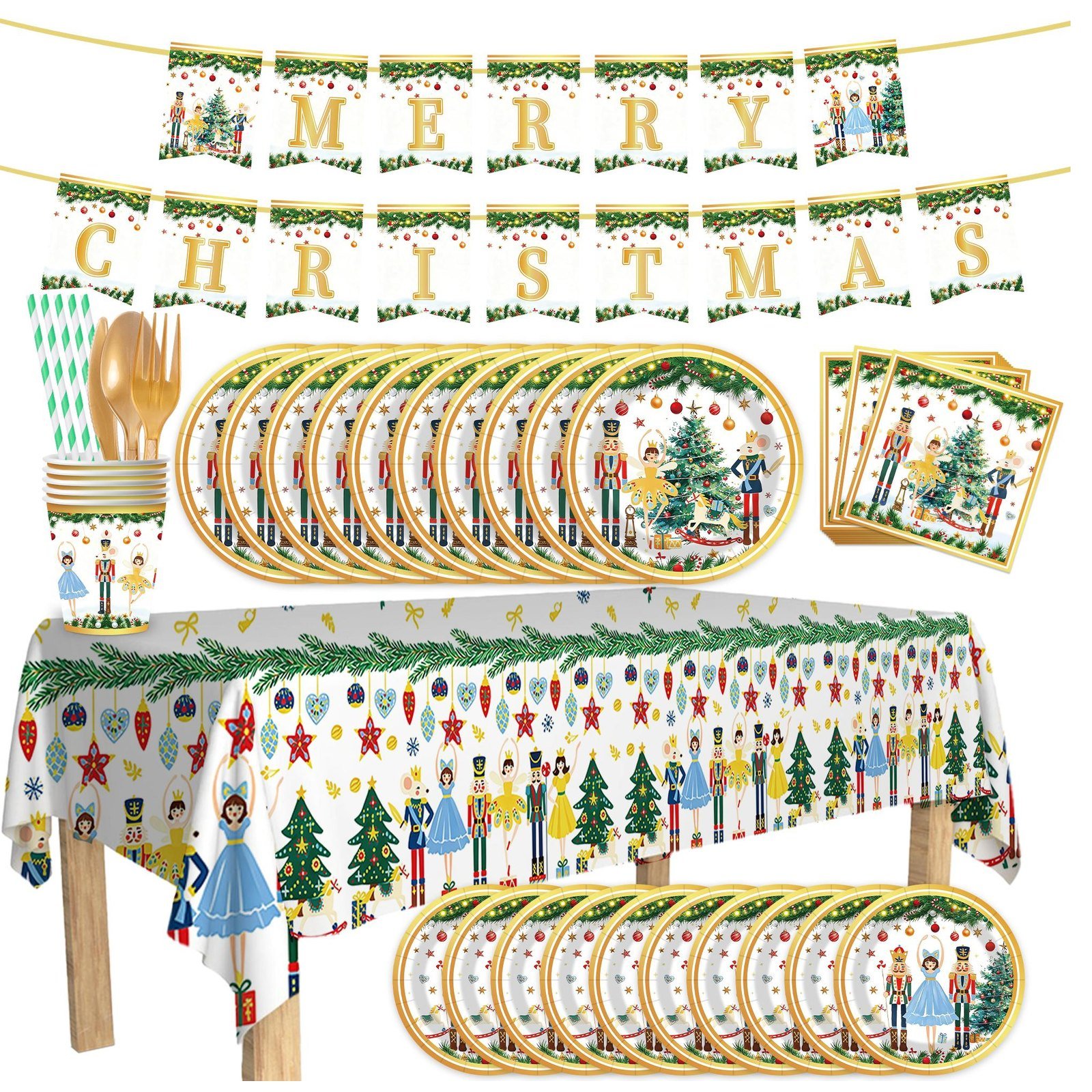
Start with the shopping journey
- Entry area: What creates immediate seasonal recognition?
- Main display: What communicates the theme and encourages browsing?
- Category zone: Where can shoppers compare related products?
- Add-on area: Which small products can complete a purchase?
- Checkout or gift area: Which products are easy to select quickly?
A small gift shop may need a compact, high-impact display. A large home décor retailer may use several coordinated zones. An importer supplying different retail formats should avoid one fixed layout formula. Instead, the importer can develop a flexible collection that works across tables, wall fixtures, endcaps, and freestanding displays.
Use product roles, not only product names
| Product role | Main purpose | Suitable examples | Buying question |
|---|---|---|---|
| Traffic driver | Creates attention and communicates the theme | Large ornaments, statement décor, illuminated visual pieces | Will it be visible from a distance? |
| Core sales product | Provides the main seasonal choice | Ornaments, stockings, table décor, giftable accessories | Does it fit the target price and theme? |
| Complementary add-on | Supports cross-selling | Gift tags, small figurines, napkin accessories, ribbons | Can it complete another purchase? |
| Gift or margin product | Supports perceived value and gifting | Personalized items, curated sets, premium finishes | Does the presentation justify the price? |
| Practical seasonal product | Serves an immediate occasion | Party tableware, wrapping accessories, hosting products | Does it solve a clear holiday need? |
Create a visual hierarchy
- Hero level: A small number of attention-getting products or coordinated arrangements.
- Supporting level: Main products that provide choice and depth.
- Finishing level: Smaller products that add color, texture, convenience, or gifting value.
The hierarchy does not require a fixed number of SKUs. It depends on available fixtures, retail format, selling price, and replenishment capability. A buyer should also consider carton dimensions and packaging presentation. An item that looks strong in a supplier photograph may occupy too much shelf space or arrive in packaging that interrupts the theme.
The best layout category connects physical placement with commercial purpose. I would define the display first, assign each product a role, and then choose products that support the customer journey. This method produces a more coherent buy than selecting isolated best sellers.
The layout should also reflect how customers shop for Christmas. Some shoppers search for a complete decoration style. Others need a quick gift, a hosting solution, or a small seasonal update. I would not force every item into one theme if the store serves several missions. Instead, I would create connected zones that remain visually compatible.
Why layout matters to purchasing
- It determines whether an item needs shelf-ready packaging.
- It influences whether products should be sold individually or in sets.
- It affects the acceptable size and weight of the product.
- It reveals whether a buyer needs display samples or only boxed inventory.
- It helps identify which items require deeper stock and which items can remain limited.
For example, a hanging ornament may need a strong color range and compact packaging. A tabletop centerpiece may need a larger presentation box and more careful protection. A personalized gift may need a clear labeling process and separate packing instructions. These details belong in the buying discussion because they affect the final retail experience.
I also recommend separating display quantity from purchase quantity. A store may need only a few units on the floor but additional stock in the back room. Another retailer may use a drop-ship or marketplace model where packaging and fulfillment matter more than physical display. The same product can therefore have different buying logic in different channels.
How Should I Build a Christmas Product Series?
A fragmented assortment creates extra work for the buyer and confusion for the shopper. I recommend building a product series around a recognizable design system. The system can use color, pattern, material appearance, character style, finish, or occasion.
Select the design direction first
A buyer might choose a traditional red-and-green direction, a neutral winter collection, a playful children’s theme, or a glamorous metallic range. The choice should relate to the store’s customer base rather than follow a general trend claim.
Connect categories through shared features
| Series feature | Possible category connection |
|---|---|
| Red, ivory, and natural wood colors | Ornaments, table décor, gift packaging, stockings |
| Snowflake or star pattern | Hanging décor, napkins, wrapping accessories, greeting products |
| Woodland character style | Figurines, children’s gifts, party supplies, soft accessories |
| Metallic gold finish | Tabletop décor, candles or holders, giftable accessories |
| Personalized name or message | Ornaments, gift tags, stockings, keepsake products |
Avoid visual inconsistency
- Different shades of the same named color
- Inconsistent illustration proportions
- Mixed packaging styles
- Unrelated fonts or message treatments
- Finishes that reflect light differently
- Product sizes that make the display look unbalanced
I recommend asking suppliers for a series board or consolidated sample review. The buyer can compare physical samples, color references, product dimensions, packaging, and artwork in one evaluation. Digital renderings are useful during development, but they should not replace physical approval[7] where color, texture, or finish is commercially important.
Turn a series into a buying structure
- Collection anchors: Products that establish the theme and attract attention.
- Collection breadth: Products that provide choice across price points or use occasions.
- Collection completion: Small products that help the shopper finish a room, table, gift, or party setup.
A strong Christmas product series uses shared design signals to connect multiple categories. I recommend approving the theme and visual system first, then selecting anchor, breadth, and completion products that support different shopping missions.
Check commercial scalability
- Whether the same artwork can be adapted across materials
- Whether packaging can use a common structure
- Whether the supplier can consolidate different product types
- Whether the series can support low-to-medium MOQ customization
- Whether all items can meet the intended delivery window
- Whether replacement or repeat orders are realistic
AI-assisted pattern development can help create variations quickly[5], but buyers should treat generated artwork as a starting point. I recommend checking originality, print suitability, color reproduction, and any licensing concerns[6] before approving production. Buyers should also request confirmation about who owns the final artwork and whether the design can be used across regions and channels.
Which Categories Should I Include in the Christmas Merchandising Plan?
For example, a home décor retailer may focus on room styling. A party store may prioritize hosting and entertaining. A gift retailer may need personalization, packaging, and easy-to-carry items. The same Christmas season can therefore support different category mixes.
Build around shopping occasions
- Decorating a tree or room
- Preparing a Christmas table
- Buying a small hostess gift
- Creating a children’s celebration
- Wrapping and personalizing gifts
- Refreshing a home with seasonal accents
- Purchasing a keepsake or personalized item
Assign each category a job
| Shopping need | Possible categories | Role in the display |
|---|---|---|
| Room decoration | Ornaments, hanging décor, tabletop pieces | Establishes the seasonal atmosphere |
| Entertaining | Tableware, napkin accessories, serving décor | Solves a hosting need |
| Gifting | Personalized gifts, small décor, keepsakes | Supports gift discovery |
| Wrapping | Gift tags, ribbons, bags, packaging accessories | Adds convenience and attachment sales |
| Children’s celebration | Creative toys, party supplies, character products | Provides an age-specific destination |
| Seasonal fashion or accessories | Wearable or portable holiday items | Supports impulse and event purchases |
Balance breadth and depth
Breadth means the number of different category or product types. Depth means the number of choices within one type. A buyer with limited space may need more breadth and less depth to create a complete seasonal story. A specialist retailer may choose greater depth in one category because customers expect comparison.
- Does the assortment offer enough variety to look intentional?
- Do several products serve the same use case?
- Can customers find a low-priced add-on?
- Does the display include a higher-value or gift-oriented option?
- Are the categories connected by color and packaging?
- Can the retailer replenish the most important products?
A common mistake is to buy heavily into the most visible category while neglecting supporting products. A display may have many ornaments but no gift packaging, table accents, or small add-ons. Another display may have large decorative pieces but lack accessible entry-price products.
Consider category risk
Different products create different purchasing risks. Fragile items may require stronger packaging and inspection. Printed products may require artwork approval. Personalized items may require variable data management. Food-contact or child-oriented products may require additional compliance review[4] depending on their construction and destination market.
I recommend recording these risks during assortment planning rather than after the purchase order. The buyer can then ask the supplier for the correct documents, test reports, samples, packing details, and production controls. Certifications and compliance documents should always be checked for scope, validity, issuing body, product match, and destination-market relevance.
I would include a Christmas category only when it supports a defined shopping occasion, display role, or commercial need. The strongest assortment balances visual attraction, practical usefulness, add-on potential, and price accessibility instead of concentrating only on one popular category.
Use category architecture in supplier briefs
- Target retail channel
- Customer and shopping occasion
- Theme and color direction
- Required product roles
- Preferred materials and finishes
- Target packaging format
- Customization requirements
- Expected order timing
- Required documentation
- Consolidation and shipping expectations
How Do I Convert the Display Into a Christmas Buy?
Separate essential, test, and optional items
- Essential items: Products needed to make the display or collection understandable.
- Test items: Products selected in controlled quantities to assess customer response.
- Optional items: Products that can be added if price, timing, or available space allows.
This structure gives the buyer more control than treating every SKU as equally important. It also helps during supplier negotiation. Essential items may need stronger quality controls and earlier approval. Test items may need flexible packaging or smaller initial commitments where available. Optional items should not create a shipment delay that affects the main seasonal programme.
Match the buy to the channel
| Channel | Buying priority | Main operational concern |
|---|---|---|
| Physical retail chain | Consistent display across locations | Store-level space and replenishment |
| Independent gift store | Distinctive, flexible assortment | Limited floor and back-room capacity |
| E-commerce brand | Presentation and fulfillment | Product photography, packaging, returns |
| Marketplace seller | Searchable product variation | Platform rules and inventory exposure |
| Wholesaler or distributor | Resale flexibility | Carton information and mixed-order handling |
| Promotional product company | Custom message or logo | Artwork approval and project timing |
The channel affects the product specification. E-commerce may require stronger individual packaging and accurate dimensions. A retail chain may need consistent carton markings and store-ready packing. A distributor may value mixed cartons or a consolidated shipment. I would not assume that one packing method serves every buyer.
Include operational constraints early
- MOQ by item, color, size, and customization level
- Sample and approval requirements
- Production window
- Packaging development time
- Inspection requirements
- Carton dimensions and gross weight
- Consolidation plan
- Export documents
- Destination requirements
- Reorder feasibility
I would treat MOQ as more than a supplier number. MOQ can influence whether a series is financially sensible[8], whether a color variation is justified, and whether the buyer should use shared packaging or one common design. A supplier may offer low-to-medium MOQ customization, but the buyer still needs to confirm the exact MOQ for each product and variation.
Plan around the selling season
- Concept selection
- Supplier quotation
- Artwork or specification confirmation
- Sampling
- Sample comments and revisions
- Purchase order
- Production
- Inspection and packing
- Consolidation
- Export and destination delivery
Build a risk-adjusted buy
| Evaluation point | Low concern | Higher concern |
|---|---|---|
| Design fit | Matches approved series | Looks unrelated |
| Space efficiency | Compact and easy to place | Bulky or awkward |
| Packaging | Retail-ready and protective | Requires repacking |
| Supply feasibility | Clear materials and process | Complex or unconfirmed |
| Compliance | Documents match product | Scope is unclear |
| Timing | Fits the launch plan | Approval or production is late |
| Reorder potential | Repeatable specification | One-time custom item |
A Christmas buy should translate the display into prioritized products, realistic quantities, and a documented timeline. I recommend protecting the essential collection first, testing uncertain products carefully, and confirming MOQ, packaging, compliance, and delivery before final approval.
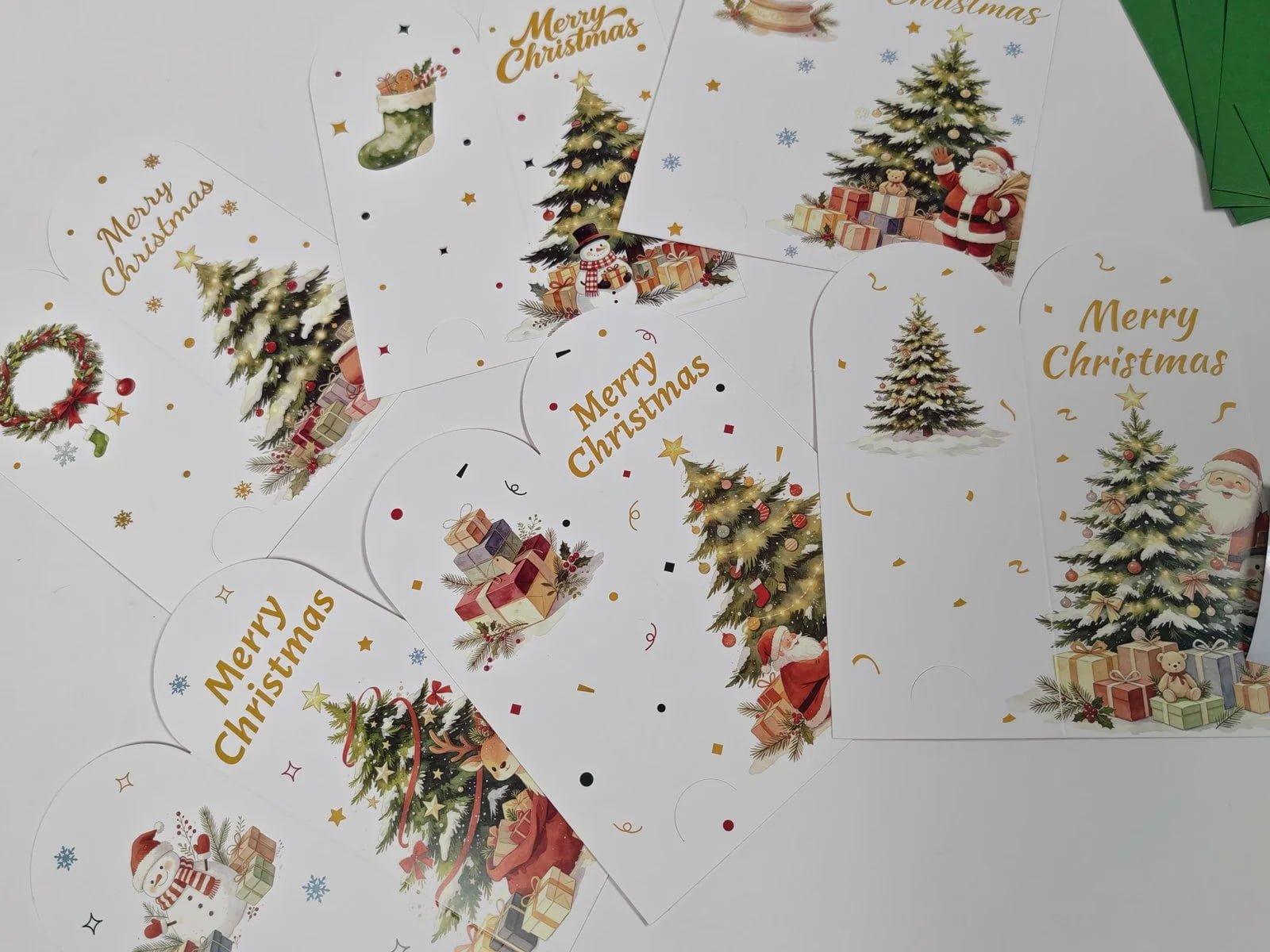
I would also avoid using a single quantity formula for every retailer. Store space, historical demand, price, replenishment, and sales channel all change the calculation. A new product without verified store-level data should be treated as a planning assumption, not as a guaranteed best seller.
How Can I Evaluate a Christmas Supplier?
Supplier evaluation should focus on whether the supplier can deliver the complete seasonal programme, not only whether the supplier has attractive products. I recommend comparing product development, communication, quality control, packaging, consolidation, and export support together.
Review the supplier’s product development process
- Can the supplier develop a series rather than only single items?
- Can the supplier adapt artwork across product types?
- Can the supplier provide clear samples?
- Can the supplier explain material, finish, and packaging choices?
- Can the supplier separate confirmed specifications from suggestions?
- Can the supplier manage revisions in a documented way?
For AI-assisted design, I would ask who reviews the output and how the final artwork becomes production-ready. The supplier should clarify whether the buyer receives editable files, print files, or only finished product approval. I would also request confirmation about artwork rights where private-label or exclusive use matters.
Check quality control at the right stages
- Pre-production: Confirm materials, artwork, dimensions, colors, packaging, and approved samples.
- During production: Review production consistency when the project requires it.
- Pre-shipment: Check finished goods, carton packing, labeling, quantities, and visible defects.
The exact inspection method should match the product risk and buyer’s requirements. Decorative items with fragile finishes, printed products, personalized goods, and children’s products may need different inspection attention. A supplier’s claim about quality should be supported by relevant records or documents, not accepted as a substitute for buyer evaluation.
Compare supplier support
| Supplier capability | Why it matters to the buyer |
|---|---|
| OEM/ODM development | Supports differentiated collections |
| Private-label packaging | Helps maintain brand consistency |
| Product consolidation | Reduces coordination across categories |
| Flexible customization | Supports smaller or test programmes where available |
| Export documentation | Helps prepare the shipment correctly |
| Sample management | Reduces ambiguity before production |
| Series planning | Connects products into a commercial display |
HKDayo’s business model combines China supply-chain resources with seasonal product development, customization, packaging support, consolidation, and export services. I present these as capabilities for buyers to discuss and verify against a specific project. The buyer should still request quotations, samples, documents, and written terms for the intended order.
Ask for evidence, not broad assurances
- Product specification sheets
- Material and packaging details
- Sample photographs and physical samples where necessary
- Applicable test or compliance documents
- Carton and packing information
- Production schedule
- Inspection arrangement
- Incoterm and quotation validity
- Payment and approval terms
Certifications and test reports should be checked by the buyer or a qualified professional for authenticity, product scope, date, and destination-market relevance. A document for one material, model, or factory process may not cover a customized product or an entire product series.
I would evaluate a Christmas supplier by its ability to manage a coordinated programme from concept through shipment. Product appeal matters, but so do sample control, documentation, packaging, quality checks, customization clarity, and reliable communication.
How Should I Adapt a Christmas Merchandising Plan for Different Retail Formats?
Online and marketplace channels
The online buyer cannot physically compare texture or scale. I would therefore make dimensions, materials, finishes, and care or handling information easy to find. Product images should show the item alone and within the wider collection.
Private-label programmes
Customization can make a collection more distinctive, but it can also add approval stages and production risk. I would customize the highest-value or most strategically important items first, then decide whether supporting products should use shared packaging or stock designs.
I would keep the central Christmas theme consistent while adapting product depth, packaging, display instructions, and content to each retail format. The same series can support stores, distributors, and e-commerce when the operational requirements are defined early.
Frequently Asked Questions
What is a Christmas merchandising plan?
A Christmas merchandising plan is a coordinated framework for selecting, displaying, pricing, and purchasing seasonal products. It connects the store layout with product roles, customer occasions, category relationships, quantities, packaging, supplier capability, and delivery timing.
How many Christmas products should a store buy?
There is no universal SKU count. The right assortment depends on store size, display fixtures, customer profile, price range, sales channel, and replenishment options. I recommend defining essential, test, and optional products instead of applying a fixed number to every store.
Should I prioritize popular Christmas products?
Popular products can attract attention, but they should not determine the entire assortment. I recommend balancing traffic-driving items with core products, complementary add-ons, and gift-oriented products so the display remains complete and commercially practical.
How early should I contact a Christmas supplier?
I recommend contacting suppliers early enough to allow concept selection, quotation, sampling, revisions, production, inspection, consolidation, and shipping. The exact schedule depends on customization, order size, product complexity, destination, and the planned launch date.
What should I request before placing a Christmas order?
I would request approved samples or specifications, pricing, MOQ by variation, packaging details, production timing, carton information, applicable compliance documents, inspection arrangements, and written shipping terms. Buyers should verify documents and obtain qualified advice when application or destination requirements are complex.
Conclusion
A strong Christmas merchandising plan begins with the intended shopping experience, not a disconnected list of seasonal products. I recommend defining the theme, layout, product roles, category relationships, and channel requirements before discussing the final buy. Then I would confirm MOQ, customization, packaging, quality controls, documents, consolidation, and delivery timing with qualified suppliers. HKDayo can support buyers developing coordinated seasonal collections, private-label products, packaging, and export programmes. For a project discussion, request a quote from HKDayo.
Sources
- VISUAL MERCHANDISING STRATEGIES FOR SMALL …", Research on retail environments indicates that store layout and merchandise presentation can shape shoppers’ navigation, attention, and purchase decisions, supporting the use of the customer journey as a planning input
- Category Positioning and Store Choice: The Role of …", Category-management literature describes assortment roles that distinguish products used to attract shoppers, meet core demand, and support complementary purchases, providing general support for role-based merchandising
- Store Design: Visual Complexity and Consumer Responses", Studies of product congruence and assortment coherence suggest that shared visual or functional features can help consumers organize related offerings and perceive an assortment as more coherent
- Children’s Product Certificate", Regulatory authorities identify specific safety and conformity obligations for food-contact materials and children’s products, indicating that these categories can require additional compliance review before sale
- When Generative AI Meets Product Development", Research on generative design tools indicates that text-to-image and related systems can produce multiple visual concepts rapidly during early ideation, supporting their use for generating pattern variations
- Copyright and Artificial Intelligence | U.S. Copyright Office", Copyright guidance and print-production standards indicate that generated artwork may require review of rights status, human contribution, file suitability, and color reproduction before commercial use
- An Evaluation of Color Differences Across Different Devices", Color-management standards explain that screen displays, printed proofs, and finished materials can represent color differently, supporting physical approval when color or finish is commercially significant
- Understanding the Dynamics of Value-Driven Variety …", Inventory and sourcing models show that minimum order quantities can increase committed stock and purchasing costs, thereby affecting the economic viability of low-volume or highly varied assortments
Related celebration products from DAYO:
Hi, I'm Danson. I work closely with our manufacturing partners to develop and deliver seasonal decorations, party supplies, and celebration products for international wholesale buyers. Here, I share practical product knowledge, customization insights, and manufacturing experience to help buyers build successful seasonal collections.
Have a wholesale project in mind? Let's talk!
Discuss Your Wholesale Project Request a Wholesale QuotePlanning a Wholesale Order from China?
Share your product requirements, quantities and destination. Let's discuss your wholesale requirements.