Halloween and Harvest Decorations Wholesale: Sourcing Lead Times for Importers

Halloween and Harvest Decorations Wholesale purchasing can become risky when buyers treat a late-October shelf date as a simple delivery deadline. Delayed artwork approvals, slow samples, missed vessel cut-offs, and inefficient carton packing can all compress the selling window. I recommend working backward from the retail date so that each sourcing decision supports a timely, profitable launch.
Halloween and harvest decorations wholesale sourcing should begin with the required shelf date, then move backward through inland delivery, port handling, ocean transit, consolidation, production, sampling, and design approval. I also recommend separating kid-friendly Halloween from adult horror themes and using harvest neutrals to extend selling time beyond October 31.
I find that seasonal buying rewards disciplined planning more than last-minute product hunting. A well-planned range can arrive with time for receiving and merchandising, while a rushed range may create freight premiums, reduced choice, and markdown pressure. The sections below explain how I would assess timing, range structure, packaging, and freight before issuing an RFQ.
Halloween and Harvest Decorations Wholesale: Quick Answer?
I see Halloween and harvest decorations wholesale as a calendar-led buying category rather than an open-ended décor category. Importers need to confirm the target shelf date first, then allow enough time for product selection, samples, production, quality review, freight, customs procedures, and warehouse receiving.
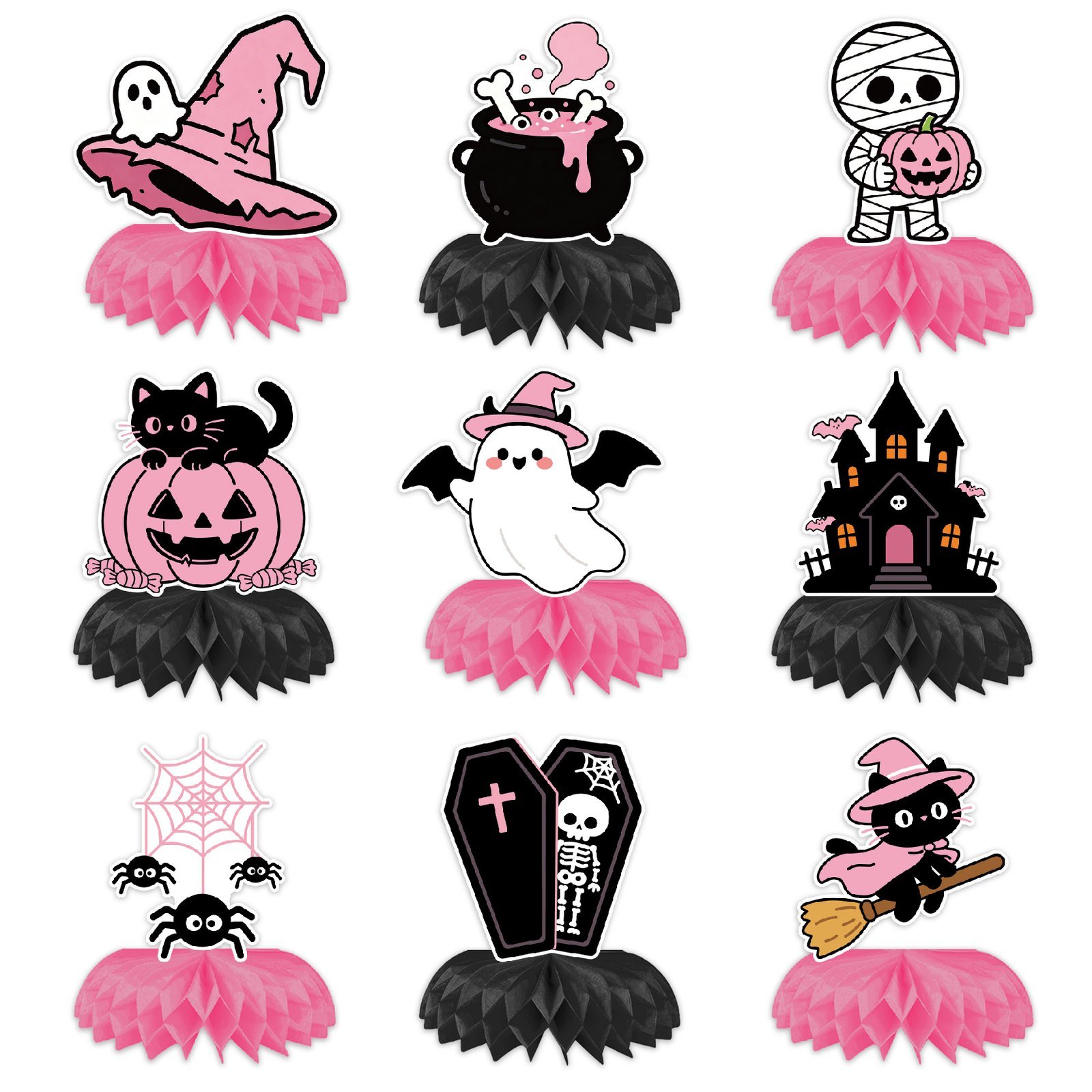
I recommend that buyers begin sourcing Halloween-focused ranges well before the selling season, setting the start date by working backward from the required shelf date rather than by a fixed lead-time figure. The exact interval depends on the product complexity, order structure, shipping method, and destination market. I also suggest building a range around distinct customer groups: family-friendly Halloween, adult horror, and longer-selling harvest décor.
For procurement teams, the most important early checks are:
- Product dimensions and carton dimensions
- Materials and finish requirements
- Hanging, assembly, or display method
- Artwork approval process
- Packaging efficiency for lightweight décor
- Consolidation options across multiple SKUs
- Required delivery date to the distribution center, not only the port
Lead Times for a Late-October Shelf Date in Halloween and Harvest Decorations Wholesale?
A late-October shelf date can look achievable until every operational step is placed on the calendar. In practice, even a small artwork revision or sample delay can quickly affect vessel booking options. Without a backward schedule, buyers can face expensive freight choices or reduced time on shelf.
I recommend setting the retail shelf date first and treating it as a non-negotiable commercial milestone. From there, buyers should work backward through store or warehouse receiving, inland transit, port handling, international freight, production, sample approval, and design revisions. This approach gives Halloween and harvest decorations wholesale buyers a clearer view of when they must approve each decision.
Start With the Real Receiving Date
I would not use October 31 as the delivery target for a Halloween range. Retailers and distributors usually need inventory received, checked, allocated, and merchandised well before the final holiday week. The correct planning date is the required shelf date or warehouse receiving date set by the buyer’s sales plan.
For example, a buyer may work backward from:
- Retail shelf date — when customers should see the products.
- Distribution-center receiving date — when the goods must be available for inbound processing.
- Inland delivery date — when containers or cartons must leave the port or local warehouse.
- Port arrival date — allowing for unloading, customs procedures, and possible congestion.
- Freight departure date — based on the selected ocean, rail, air, or express option.
- Cargo-ready date — when the supplier can release finished and approved goods.
- Production completion date — including any inspection and packing time.
- Sample and artwork approval date — including room for revisions.
Use a Backward-Planning Template
I use the following table as a planning framework, not as a guaranteed transit schedule. Actual timing depends on origin, destination, season, carrier availability, customs conditions, container type, and the buyer’s own receiving procedures. Buyers should confirm every milestone with their freight forwarder, supplier, and internal logistics team.
| Planning stage | What I would confirm | Buyer risk if delayed |
|---|---|---|
| Shelf-date target | Store launch date, promotion date, and warehouse allocation plan | Products arrive after key selling weeks |
| Inland and warehouse receiving | Appointment availability, unloading capacity, labeling requirements | Inventory waits at port or local carrier depot |
| International freight | Booking cut-off, transit option, port routing, and consolidation plan | Higher freight costs or missed sailing |
| Production | Approved quantity, materials, artwork, packaging, and final specifications | Factory cannot begin or complete work as planned |
| Sample approval | Color, dimensions, construction, hanging method, and retail presentation | Revisions consume production time |
| Range development | Theme selection and SKU list | Late changes create fragmented buying decisions |
Add Buffer for Design Changes
I recommend adding buffer time even when the range appears straightforward. Seasonal decorations often involve color matching, print placement, die-cut shapes, foil details, hanging strings, adhesive components, or fold-out construction. A paper honeycomb pumpkin and a simple fabric bunting can look easy, but both may require careful approval of dimensions, assembly, color, and packing method.
I would document approvals in writing. The product specification should include:
- Finished product dimensions
- Material type and weight where relevant
- Color references or approved artwork files
- Hanging method, such as ribbon, twine, hook, adhesive, or string
- Assembly requirements for retailers or consumers
- Individual packing and master-carton expectations
- Carton marks, labeling, and barcode requirements where applicable
At HKDayo, I would encourage buyers to treat samples and written specifications as procurement controls. They help reduce ambiguity before a production decision is made. For application-specific quality, safety, or compliance questions, I recommend that buyers use qualified professional evaluation and verify all required documents for their destination market.
Separating Kid-Friendly and Adult Horror Themes in Halloween and Harvest Decorations Wholesale?
A mixed Halloween collection can confuse buyers and complicate retail placement. A cheerful pumpkin garland can sit naturally near children’s party supplies, while realistic blood effects or dark gothic props require a different customer and merchandising approach. I recommend separating these visual languages early.
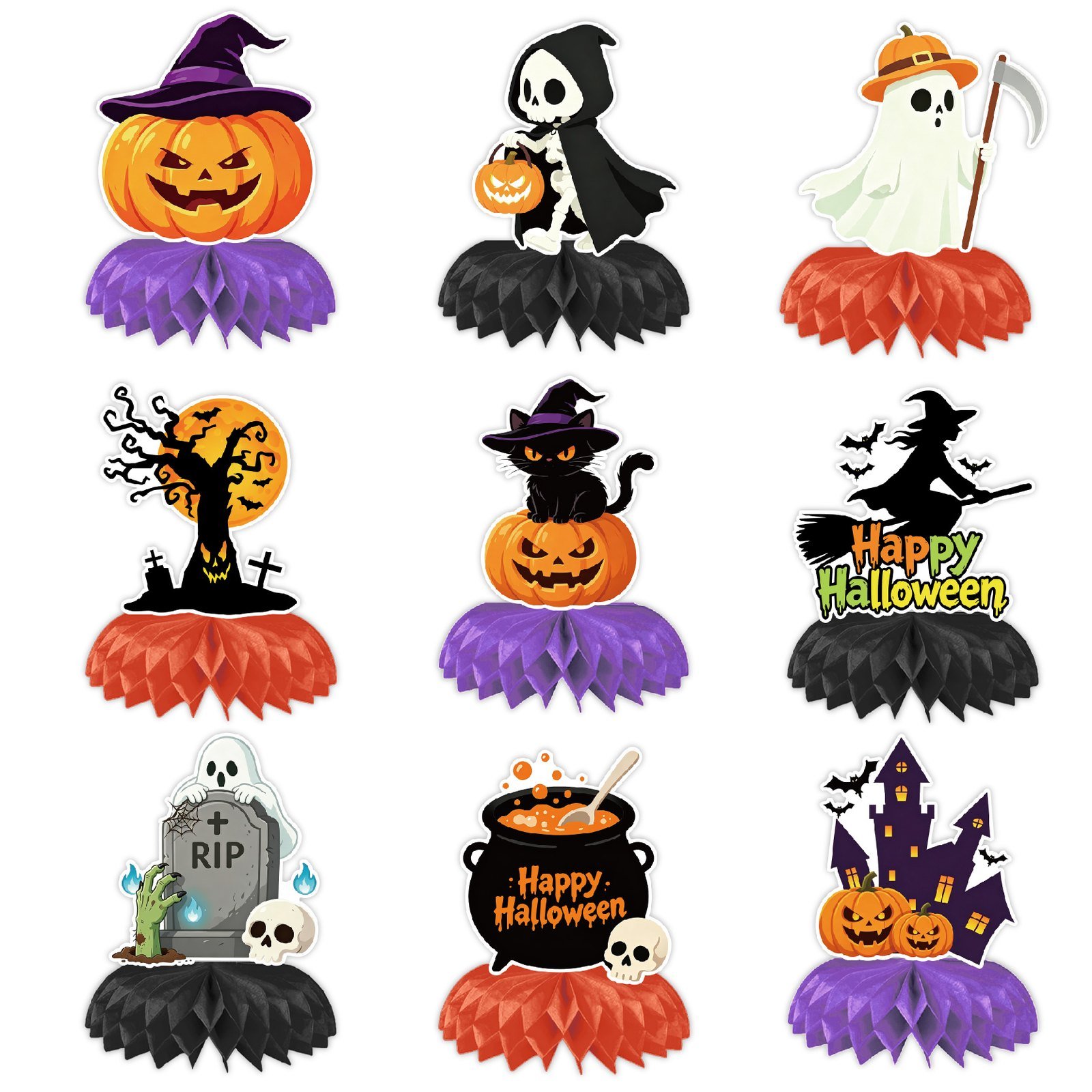
I would divide Halloween and harvest decorations wholesale ranges into distinct design families: kid-friendly Halloween, adult horror, and harvest seasonal décor. Each family should have its own color palette, product mix, imagery, and retail destination. This makes assortment planning clearer for distributors, retailers, and e-commerce sellers.
Why Theme Separation Matters
I consider theme separation a commercial decision, not only a design preference. Different Halloween shoppers look for different experiences. Families may want friendly ghosts, smiling pumpkins, cartoon bats, orange-and-purple party pieces, and non-scary classroom decorations. Adult customers may look for darker palettes, gothic styling, haunted-house accents, skeleton imagery, or horror-party props.
When the themes are mixed without structure, the range can lose focus. A retail buyer may struggle to understand where products belong. An e-commerce seller may also find it harder to create focused listings, lifestyle images, and advertising campaigns.
Build Range Families With Clear Boundaries
I would create a simple internal range map before requesting samples. The following structure can help:
- Kid-friendly Halloween
- Friendly ghosts and smiling pumpkins
- Cartoon bats, witches, and monsters
- Classroom décor and children’s party supplies
- Bright orange, purple, black, and white color stories
- Lightweight banners, paper fans, tableware, and photo props
- Adult horror Halloween
- Darker black, burgundy, gray, deep purple, and metallic accents
- Haunted-house or gothic party styling
- Skeleton, spiderweb, graveyard, or eerie silhouette motifs
- More dramatic backdrops, hanging décor, and party accessories
- Products suited to themed events, bars, adult parties, or specialty retail
- Harvest seasonal décor
- Pumpkins, leaves, wheat, acorns, mushrooms, and gourds
- Warm amber, rust, cream, brown, olive, and natural tones
- Table décor, banners, gift packaging, and home accents
- Thanksgiving-adjacent or autumnal positioning
Confirm Retail Placement Before Finalizing SKUs
I would ask the buyer where each item will be sold. A product intended for a family party store may need a different style from one intended for an adult event retailer. The same distinction applies to online channels. Clear theme segmentation helps with listing copy, product photography, category navigation, and promotional timing.
I also recommend that buyers review product imagery and language carefully. Halloween can include designs that some retail channels, schools, or family-oriented stores may not want to carry. A structured range gives distributors more flexibility because they can offer separate collections to separate customer groups.
Harvest Neutrals as a Longer-Life Range in Halloween and Harvest Decorations Wholesale?
Halloween-specific products can lose relevance quickly after October 31. This creates markdown risk for retailers that buy too deeply or receive inventory late. I recommend balancing highly seasonal Halloween items with neutral harvest products that can remain relevant through autumn and Thanksgiving-related selling periods.
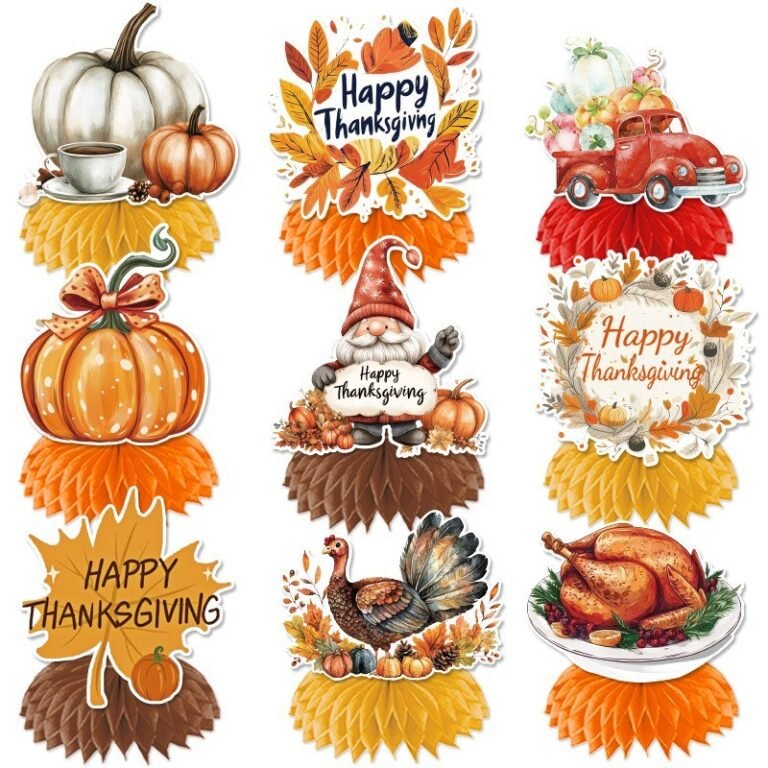
I see harvest neutrals as an important part of Halloween and harvest decorations wholesale planning because they can extend the usable sales window. Products built around amber, rust, cream, warm brown, muted orange, and natural textures can work before Halloween, after Halloween, and during harvest-themed promotions.
Extend the Selling Window
I would position harvest neutrals as a bridge between early autumn, Halloween, and Thanksgiving. Unlike a product with a prominent witch, skull, or “Happy Halloween” message, a neutral pumpkin or leaf design may remain suitable for several weeks after the Halloween event has passed.
This does not eliminate inventory risk, but it can reduce reliance on a single selling date. Buyers can use harvest-themed décor across more retail displays and marketing campaigns. For example, a cream-and-rust paper honeycomb pumpkin may fit an autumn table setting, a harvest party display, or a Thanksgiving gathering.
Choose Color and Material With Display Life in Mind
I recommend selecting color stories that feel seasonal without becoming too event-specific. Strong black-and-orange combinations may be effective for Halloween, but they have a shorter commercial life. Softer neutrals can give the assortment more flexibility.
Useful harvest color directions may include:
- Amber and burnt orange for warmth without heavy Halloween coding
- Rust and terracotta for an autumnal home-décor feel
- Cream and ivory for lighter, more versatile styling
- Olive and muted green for natural leaf and botanical designs
- Brown, kraft, and wood-look finishes for rustic party and gift presentation
Material choices also affect buyer evaluation. Paper, tissue honeycomb, fabric, felt, wood-look board, and lightweight plastics can each create a different perceived value and freight profile. I would ask suppliers to confirm the material composition in writing, especially when the item must meet market-specific requirements or when the buyer needs consistent product descriptions.
Use Harvest Neutrals to Reduce Markdown Exposure
I would not assume that every neutral product will sell longer, because product positioning and customer demand still matter. However, a balanced range can reduce dependency on highly dated designs. A buyer might combine fast-selling Halloween graphics with a smaller core assortment of versatile harvest items.
This approach can also support private-label planning. A retailer may prefer a coordinated autumn collection that includes tableware, bunting, hanging decorations, giftable accessories, and home décor accents. The collection can then be refreshed with Halloween-specific items without replacing the entire visual story.
Freight and Consolidation Planning for Halloween and Harvest Decorations Wholesale?
Lightweight seasonal decorations can appear low risk until buyers review carton utilization and freight charges. Bulky bunting, honeycomb shapes, hanging décor, and oversized display items can take up more space than their product value suggests. I recommend checking packing details before confirming the final SKU mix.
I treat freight planning as part of Halloween and harvest decorations wholesale product selection. Buyers should compare not only unit cost, but also packed dimensions, carton quantity, carton weight, volumetric space, and whether several product categories can be consolidated efficiently into one shipment.
Check the Product-to-Carton Relationship
I recommend requesting carton information early, especially for large but lightweight decorations. A low-cost item can become less attractive if it requires a large carton or ships with excess empty space. This is particularly relevant for:
- Paper honeycomb balls, pumpkins, and hanging shapes
- Bunting and garlands with long folded lengths
- Backdrops and large party banners
- Inflatable or shaped décor
- Display props with rigid frames
- Products with individual retail packaging that adds bulk
I would ask for both the individual package dimensions and master-carton dimensions. These details help importers estimate container utilization and compare potential SKU combinations. Buyers should also ask whether an item ships flat, folded, nested, or partially assembled.
Confirm Hanging and Assembly Methods
Hanging decorations can create avoidable problems if the method is not specified. I would confirm whether the product uses ribbon, twine, plastic hooks, adhesive dots, suction cups, clips, or pre-punched holes. Each method affects consumer use, packaging, and possible breakage or loss in transit.
For bunting and honeycomb items, I would specifically confirm:
- Whether the item is packed flat or pre-assembled
- Whether hanging string is included
- Whether adhesive is needed for assembly
- Whether instructions are included
- Whether the product can be re-folded after display
- Whether multiple units can be nested or bundled efficiently
These questions help buyers avoid receiving products that are difficult to display or unnecessarily costly to ship.
Plan Consolidation Before Production Ends
I recommend that importers decide early whether they will ship a single category, a mixed container, or consolidated cartons from multiple product groups. Consolidation can help buyers build a broader seasonal assortment, but it also requires careful coordination of production readiness, packing lists, carton marks, and loading priorities.
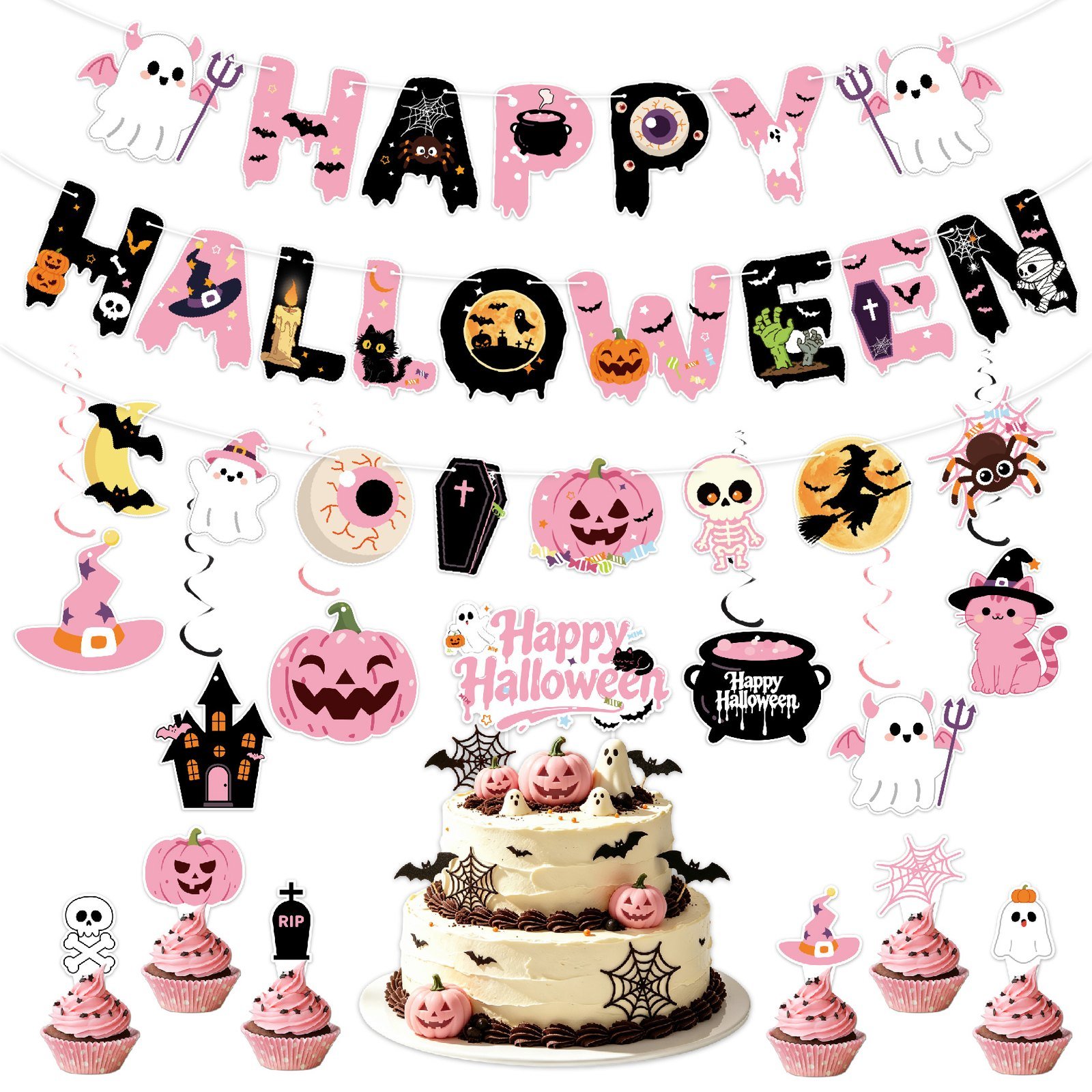
At HKDayo, I would encourage buyers to provide a clear SKU list and required delivery window when requesting a quotation. A supplier and freight partner can then evaluate whether products can be consolidated efficiently. Buyers should verify shipping terms, cargo insurance needs, destination requirements, and any application-specific regulatory obligations with qualified logistics and compliance professionals.
Product Options in This Range
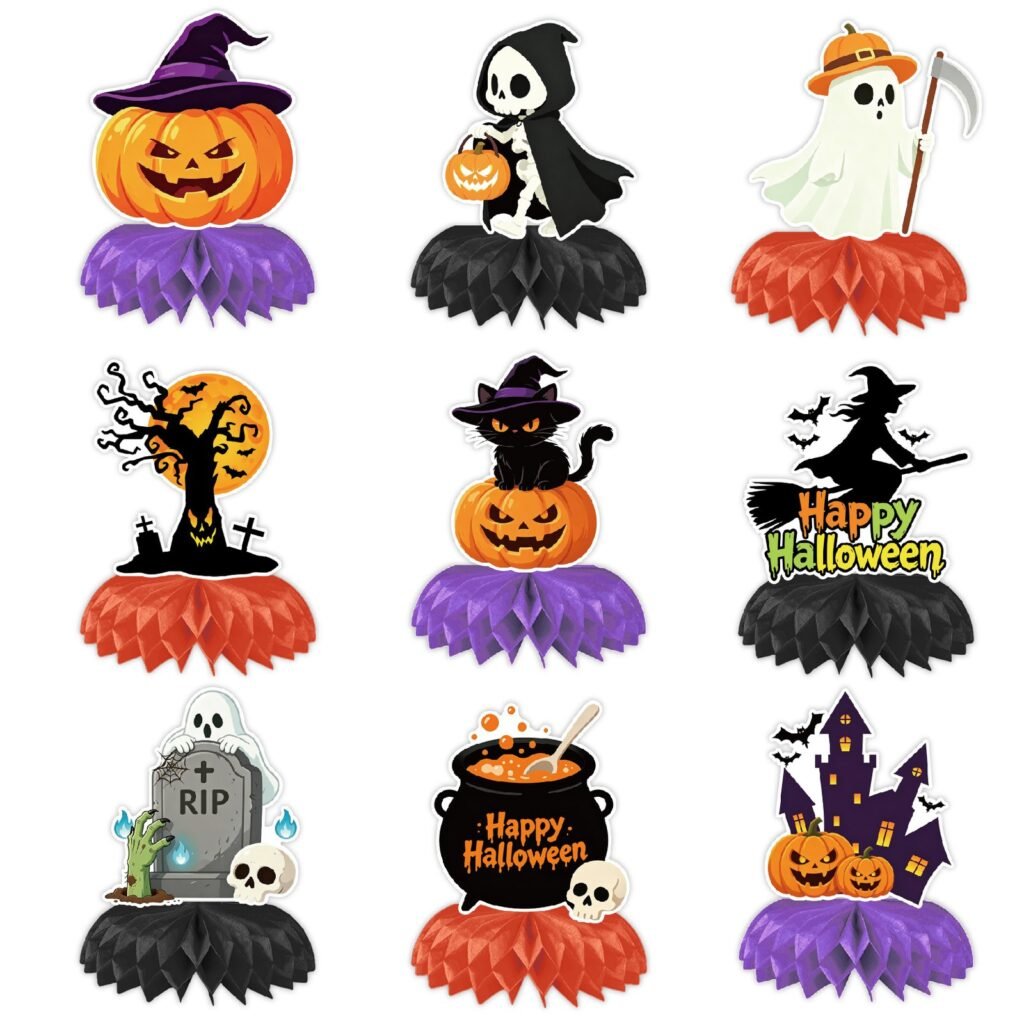
Halloween Honeycomb Decorations — Style E
SKU FS-163 sits in this range as option 1. Open the FS-163 product page.
Halloween Honeycomb Decorations — Style F
The FS-164 page lists the specification sheet and the sample request route. Open the FS-164 product page.
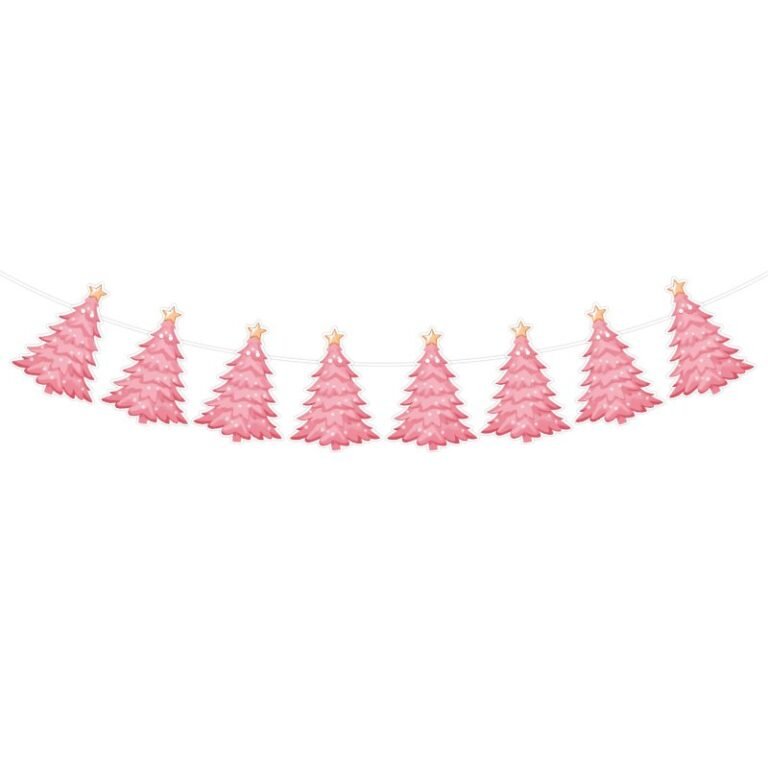
Pink Halloween Party Decoration Set — Banners, Spirals & Signs
Buyers comparing formats can review FS-165 alongside the other two options. Open the FS-165 product page.
Frequently Asked Questions About Halloween and Harvest Decorations Wholesale?
When should importers start sourcing Halloween decorations?
I recommend that importers begin sourcing Halloween-focused products well before the selling season, with the start date set by working backward from the required shelf date. The right timing depends on product complexity, sample requirements, freight method, destination, and whether the buyer needs private-label packaging or mixed-SKU consolidation.
Why should kid-friendly and adult horror decorations be separated?
I recommend separating these themes because they serve different customers, retail environments, and marketing approaches. Family-friendly products usually need cheerful imagery, while adult horror ranges often use darker styling. Clear separation helps buyers merchandise, market, and replenish each collection more effectively.
Which harvest colors can sell beyond Halloween?
I would prioritize amber, rust, cream, brown, muted orange, olive, and natural kraft-inspired tones. These colors can support autumn, harvest, and Thanksgiving-related displays. They are generally less tied to October 31 than black-and-orange or explicitly Halloween-branded designs.
What freight details should buyers request for hanging decorations?
I recommend requesting individual package size, master-carton dimensions, carton quantity, gross weight, net weight, and packing method. Buyers should also confirm whether bunting, honeycomb items, and hanging decorations ship flat, folded, nested, or assembled.
What should be written into a seasonal decoration specification?
I would include dimensions, materials, artwork, colors, hanging method, assembly details, packaging requirements, carton marks, and required labeling. Buyers should also document sample approval and verify any market-specific quality, safety, or compliance requirements before placing an order.
Conclusion: Halloween and Harvest Decorations Wholesale Planning
I believe successful Halloween and harvest decorations wholesale buying starts with calendar discipline. Importers should work backward from the shelf date, protect time for samples and revisions, and plan freight before production is complete. I also recommend separating kid-friendly and adult horror ranges, while using harvest neutrals to support longer selling periods and reduce markdown exposure. If you are building a seasonal range, I invite you to submit your SKU list, target delivery date, and packaging requirements through HKDayo’s RFQ page.
Hi, I'm Danson. I work closely with our manufacturing partners to develop and deliver seasonal decorations, party supplies, and celebration products for international wholesale buyers. Here, I share practical product knowledge, customization insights, and manufacturing experience to help buyers build successful seasonal collections.
Have a wholesale project in mind? Let's talk!
Discuss Your Wholesale Project Request a Wholesale QuotePlanning a Wholesale Order from China?
Share your product requirements, quantities and destination. Let's discuss your wholesale requirements.