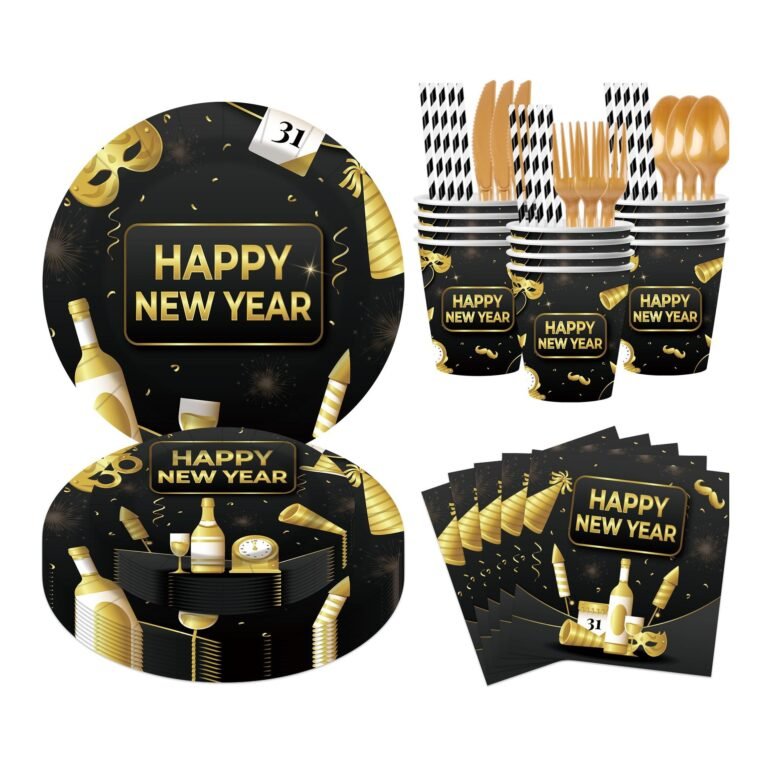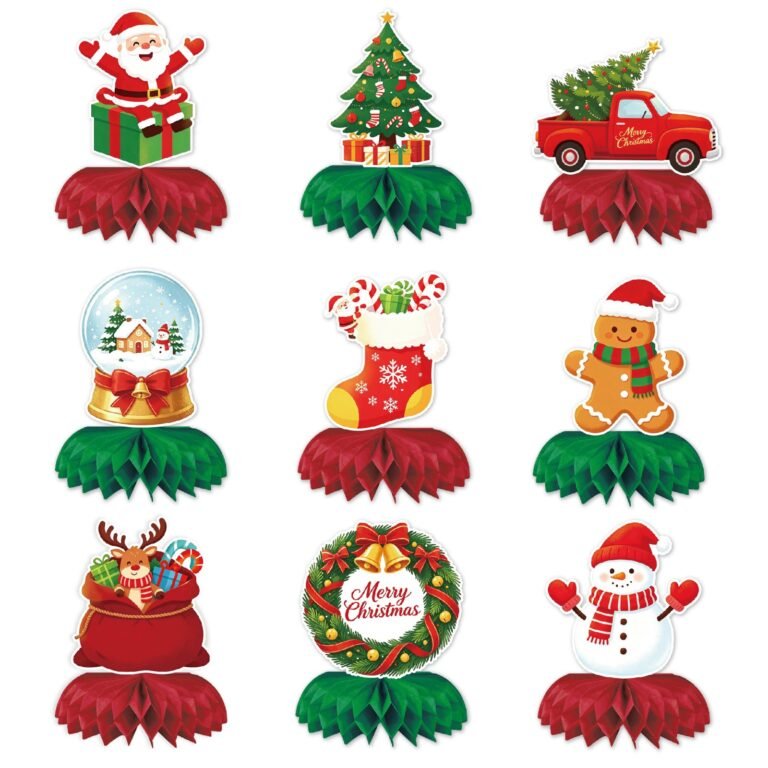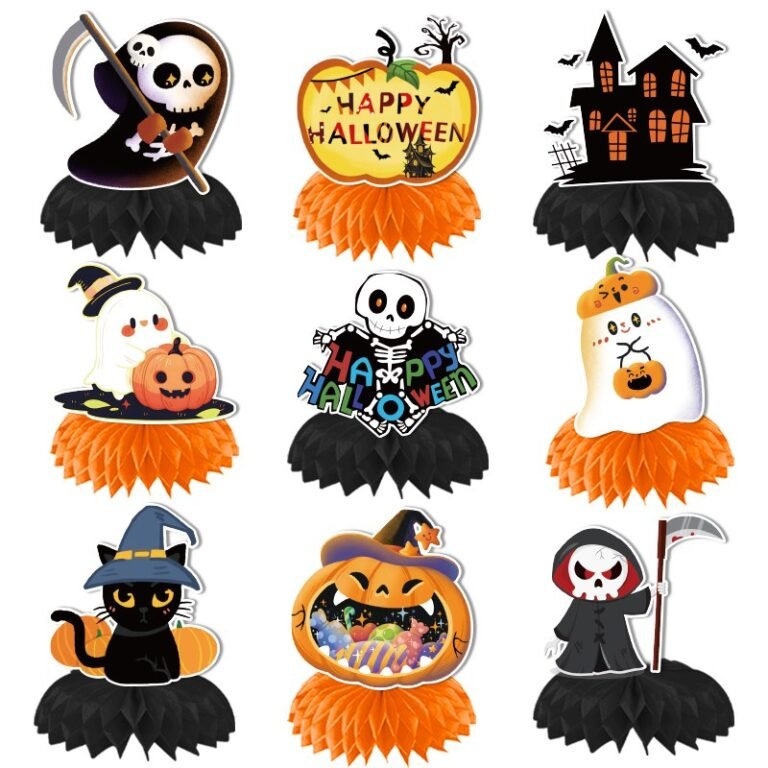
Minimum Order Quantities for Custom Celebration Products: How to Plan a First Order

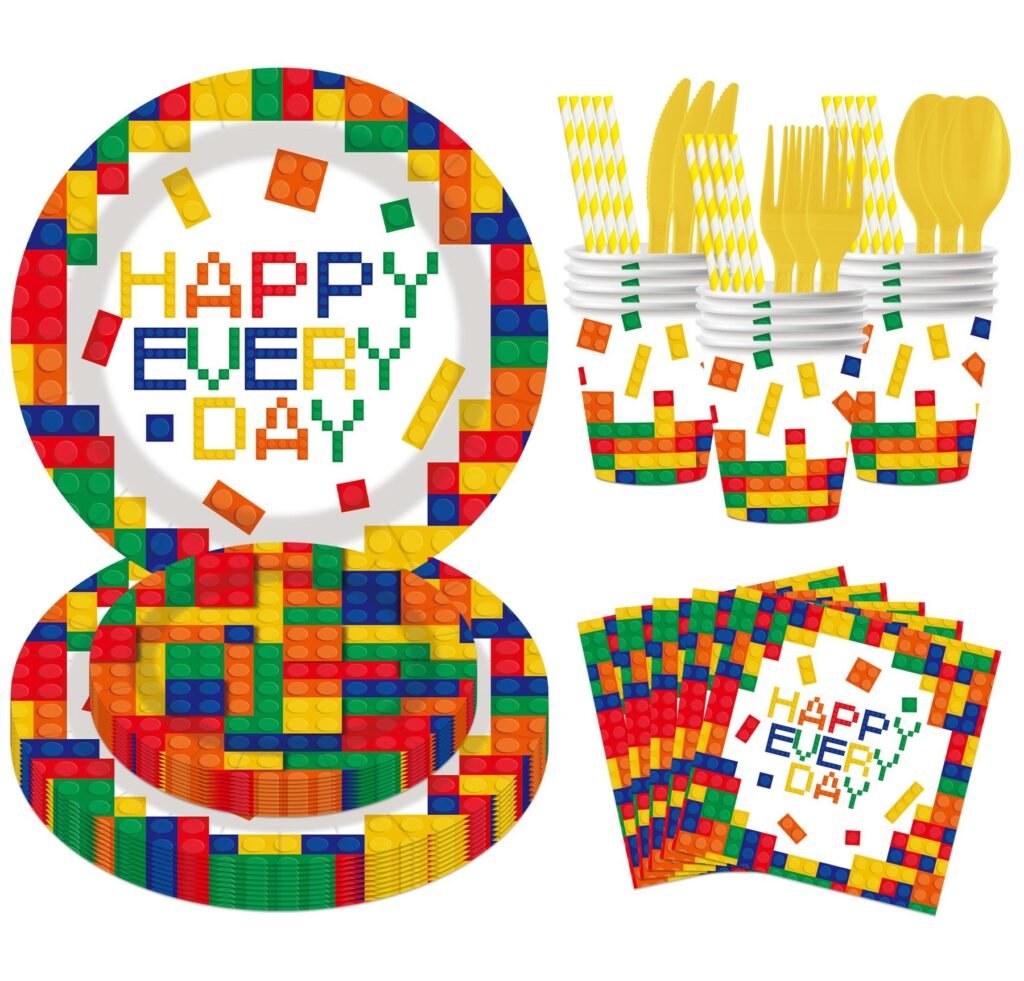
Minimum order quantities for custom celebration products can make a promising seasonal idea feel risky. Buyers often ask for the lowest possible quantity before defining the design, materials, or packaging. That approach can produce unclear quotations, unexpected setup costs, or more inventory than the market can absorb. A better process connects MOQ with product complexity and realistic first-order demand.
Quick Answer
Minimum order quantities for custom celebration products should be evaluated as a production and inventory decision, not as a single number to negotiate. Buyers should first define the product, identify which customization drives the MOQ, compare ready-made, semi-custom, and fully custom options, then choose an order quantity that fits both factory conditions and realistic seasonal demand.
- Define the construction, materials, decoration, packaging, and branding before asking for MOQ.
- Ask whether the MOQ is driven by raw materials, machine setup, printing, labor, packaging, or supplier purchasing conditions.
- Compare the total cost of a lower quantity with tooling, setup, sampling, packaging, and freight costs.
- Treat the first order as a test of demand and supply reliability, not simply a price negotiation.
- Ask whether components or packaging can be shared across a product collection.
- Confirm quality, compliance, delivery, and inspection requirements before placing the order.
MOQ discussions become much clearer when the buyer and supplier describe the same product in the same level of detail. A decorative item with a printed pattern may have different production conditions from an embroidered item, even when both appear similar in a catalogue. The sections below explain how to identify those differences and use them in a practical first-order plan.
Minimum Order Quantities Custom Celebration Products: What Should Buyers Define First
A request such as “Please quote your MOQ for this design” leaves too many commercial questions unanswered. The supplier may not know whether the buyer wants a stock shape, a new mold, a private-label package, or a completely new construction. That uncertainty can make the first quotation less useful.
Start with the product structure
- Product type and intended occasion
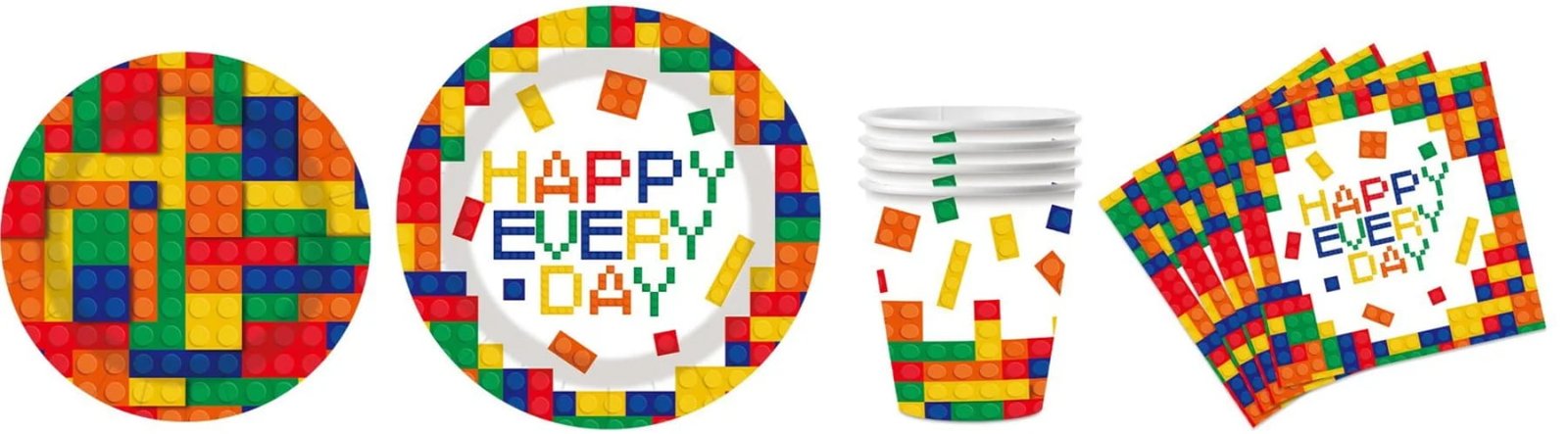
For example, the item may be a Christmas decoration, Halloween party accessory, wedding favor, birthday tableware item, or promotional gift.
- Decoration and finishing
Include printing, foil, glitter, embroidery, engraving, laser cutting, embossing, coating, painting, or other surface treatment.
A buyer does not need a final engineering drawing for every seasonal product. However, the buyer should provide enough information for the supplier to distinguish a stock item from a semi-custom or fully custom project.
Why the same quantity can produce different MOQs
MOQ is not determined by unit count alone. A factory may need to purchase a special material, prepare a printing plate, arrange a machine, create a mold, or order packaging components before production begins. These activities can create a minimum economical run.[1]
| Product situation | Typical customization question | Possible MOQ pressure |
|---|---|---|
| Ready-made item | Can the buyer use an existing design and package? | Stock availability and packing quantity |
| Semi-custom item | Can the buyer change colors, artwork, label, or packaging? | Printing, material, and setup requirements |
| Fully custom item | Does the product need a new shape, mold, or construction? | Tooling, development, material, and production efficiency |
| Collection order | Can several designs share components? | Combined material or packaging purchasing |
| Private-label order | Is the product unchanged but branded? | Custom packaging and print setup |
In many custom-product cases, the supplier may quote different MOQs for different parts of the same order. The product quantity, printed packaging quantity, and special component quantity may not be identical.
The practical buyer question
The answer may reveal that the minimum is connected to a material purchase rather than the finished product. It may also show that a simpler finish, standard packaging format, or shared component can reduce the initial commitment without weakening the product concept.
I recommend recording each supplier’s answer in a comparison sheet. This makes it easier to distinguish a genuine production constraint from a general commercial preference.
How Do Ready-Made, Semi-Custom, and Fully Custom Products Change MOQ?
Many buyers use “custom product” to describe several different sourcing models. This creates confusion because a private-label stock item and a newly developed celebration product do not carry the same development or production risk.
The three common models are ready-made, semi-custom, and fully custom.[3] Each model can be useful, but the right choice depends on the buyer’s design priorities, launch timing, and demand confidence.
Ready-made products usually offer the simplest first-order path, semi-custom products balance differentiation with control, and fully customized products require the most careful assessment of tooling, materials, setup, and seasonal inventory risk.
Ready-made products
A ready-made product uses an existing shape, construction, and often an existing material. The buyer may select from available designs and request standard packing or limited branding.
This option can reduce development work. It may also support a faster quotation because the supplier already understands the manufacturing process. However, buyers should not assume that every ready-made item is immediately available in every color, finish, or quantity. Stock status, component availability, and packaging requirements still need confirmation.
Semi-custom products
- New artwork or color combinations
- A different printed label
- A custom insert card
- A private-label sleeve or box
- A modified assortment
- A small change to a standard accessory
The buyer should ask whether the customization applies to the product, the packaging, or both. A new package can create its own minimum even when the product itself remains standard.
Fully custom products
A fully custom product may require a new mold, pattern, cutting die, assembly method, material combination, or finishing process.[4] It may also need more sampling and approval before bulk production.
- Tooling or mold preparation
- Minimum material purchases
- Special color matching
- New production instructions
- Additional quality-control points
- Custom retail packaging
- Higher risk of unused components
A comparison for first-order planning
| Model | Buyer control | Development burden | Main first-order concern |
|---|---|---|---|
| Ready-made | Lower | Lower | Limited differentiation or available stock |
| Semi-custom | Medium | Medium | Setup and packaging minimums |
| Fully custom | High | Higher | Development cost and seasonal overstock |
A useful strategy is to use semi-custom products for the first seasonal programme when the buyer wants differentiation but has limited sales history. A fully custom design may be more suitable after the buyer has validated the occasion, price position, and customer response.
What Production Factors Drive Minimum Order Quantities for Custom Celebration Products?
A supplier’s MOQ should be explained through production conditions. Buyers do not need to accept every proposed quantity without discussion, but they do need to understand the reason behind it.
A lower MOQ is not automatically commercially better.[2] If the supplier must spread setup costs across fewer units, the unit price may increase. If the supplier cannot purchase the required material economically, the supplier may decline the project or substitute a material. If custom packaging must be ordered separately, the buyer may still carry unused packaging after the product sells through.
The main MOQ drivers are usually materials, tooling, machine or printing setup, labor efficiency, packaging purchases, and the number of variations included in the order.
Materials and component purchasing
A product may contain several components, and each component can carry a different purchasing condition. A fabric decoration may need fabric, filling, thread, labels, hanging loops, and packaging. A party set may require printed paper, accessories, inserts, and a retail pack.
- Which components require a minimum purchase?
- Can standard materials replace special materials for the first order?
- Can one material be used across several designs?
- Will leftover components be stored, returned, or charged?
- Does each color require a separate minimum?
A shared material plan can sometimes make a collection more practical. For example, several designs may use the same base fabric or paper stock while changing the artwork.
Printing and decoration setup
- Number of colors
- Number of artwork versions
- Printing method
- Surface size
- Registration requirements
- Number of packaging formats
- Whether the design is repeated across products
The buyer should request a breakdown of whether setup charges are included in the unit quotation or listed separately. The buyer should also ask whether a lower quantity is technically possible but commercially inefficient.
Tooling and molds
- Whether tooling is a one-time charge
- Who owns the tool
- Where the tool is stored
- Whether future orders use the same tool
- What happens if the design changes
- Whether the tool supports multiple sizes or variations
Packaging and assortment
Custom packaging often receives less attention than the product, but it can create a separate minimum. A printed box, sleeve, barcode label, or insert may require a production run larger than the buyer’s preferred first order.
- Standard packaging with a custom sticker
- A shared box for several designs
- A common sleeve with different product labels
- Unprinted packaging for an initial test
- One master carton with separate retail packs
- Delayed or staged packaging production, if commercially feasible
The best option depends on the product and destination requirements. Buyers should confirm packaging specifications and product presentation with qualified professionals where safety, labeling, or import rules apply.
Variation count
A first order with many colors, patterns, sizes, and packages may look like a large total quantity but still create many small production runs. Suppliers may calculate MOQ per variation rather than per total order.
| Order structure | Why it may affect MOQ |
|---|---|
| One design, one color | Simple production and purchasing plan |
| Several designs, shared base | Potential for combined materials |
| Several colors, same design | Color-specific materials or setup |
| Several sizes | Separate cutting, packing, or inspection work |
| Several retail packages | Separate packaging minimums |
The buyer should ask whether the supplier can calculate MOQ by total collection or by individual SKU. This distinction can change the feasibility of the first order.
How Should Buyers Match First-Order Quantity to Seasonal Demand?
A production MOQ answers whether a supplier can make the order. It does not answer whether the buyer can sell the order. The first purchase should therefore be treated as an inventory-risk decision.
Seasonal products have a limited selling window.[5] Christmas, Halloween, Easter, Valentine’s Day, graduation, wedding, and summer-party products may lose commercial value after the relevant season. A buyer who accepts a large quantity only to obtain a lower unit price may create storage, markdown, or disposal risk.
Separate demand confidence from production pressure
- Sales history for comparable products
- Confirmed wholesale interest
- Retailer or distributor pre-orders
- Online search and advertising tests
- Existing customer feedback
- Planned selling channels
- Seasonal launch date
- Expected replenishment time
The buyer should avoid treating general market popularity as proof that one particular design will sell. A popular occasion can still contain weak designs, unsuitable colors, or an uncompetitive price point.[6]
Use a simple quantity model
This is not a demand forecast by itself. It is a way to make the assumptions visible. The buyer should document how the expected sales figure was developed and identify which assumptions are uncertain.
The buyer should also estimate the effect of leftover stock.[8] If the product can be sold for another occasion, the inventory risk may be lower. If the item has a date-specific message or a highly seasonal design, the risk may be higher.
Consider the cost of a lower MOQ
- Higher unit pricing
- A separate setup charge
- Higher packaging cost per unit
- Less efficient freight
- More frequent reordering
- Lost sales if replenishment is slow
- Unused custom materials or packaging
- Lower unit pricing
- Better freight efficiency
- More stock before demand is proven
- Higher cash commitment
- Greater seasonal overstock exposure
- More storage and handling
Use scenarios rather than one forecast
| Scenario | Planning question | Buyer action |
|---|---|---|
| Conservative | What if sales develop slowly? | Protect cash and limit variants |
| Base case | What outcome appears reasonably supported? | Match quantity to the main plan |
| Strong case | What if demand exceeds expectations? | Confirm replenishment options early |
The supplier conversation should include the possibility of a follow-up order. The buyer can ask whether the same materials, artwork, and packaging can be reordered and what conditions may change.
How Can Buyers Negotiate MOQ Without Damaging Product Viability?
MOQ negotiation works better when the buyer negotiates the production structure instead of only requesting a lower number. A supplier may not be able to reduce a material or packaging minimum, but the supplier may be able to suggest a different configuration.
A buyer should approach the conversation with a clear product brief and a realistic first-order objective. This gives the supplier enough information to identify practical alternatives.
Questions that produce useful answers
- Is the MOQ calculated per design, color, size, package, or total order?
- Which part of the product creates the minimum?
- Can standard materials reduce the first-order requirement?
- Can several designs share a material or packaging format?
- Does custom packaging have a separate minimum?
- Are setup or tooling charges included in the quotation?
- What happens to unused custom components?
- Can the supplier support a repeat order using the same specifications?
- What quality checks will apply to the finished product?
- Which product documents should the buyer review before approval?
Keep the commercial record precise
- Product specification
- Approved artwork or sample reference
- Quantity by SKU
- Packaging details
- Unit price and separate charges
- Production assumptions
- Inspection or approval points
- Delivery terms
- Payment terms
- Validity period
The buyer should also verify any compliance documents, test reports, or certifications that apply to the destination and product category. Documents should be reviewed for scope, product match, issuer, date, and applicable market. A supplier quotation alone does not replace qualified regulatory or import advice.
For a first inquiry, buyers can submit their requirements through the HKDayo request-a-quote page. The request should include the product brief and expected order structure rather than only a target MOQ.
How Should Buyers Compare Suppliers Beyond the Quoted MOQ?
A supplier offering the smallest MOQ may not provide the best first-order solution. Buyers should compare the complete sourcing proposal, including product clarity, communication, sample control, packaging, quality procedures, and export coordination.
Supplier comparison should consider MOQ transparency, customization capability, quality-control planning, documentation, communication, delivery feasibility, and the supplier’s ability to support future orders.
Build a weighted comparison
| Evaluation area | Questions for the buyer |
|---|---|
| Product fit | Can the supplier make the required construction and finish? |
| MOQ logic | Is the minimum explained by a specific production condition? |
| Cost structure | Are setup, tooling, packaging, and other charges visible? |
| Samples | Can the buyer approve a representative sample before bulk production? |
| Quality control | Are specifications and inspection points documented? |
| Packaging | Does the package protect the product and suit the sales channel? |
| Delivery | Can production and export arrangements fit the season? |
| Communication | Does the supplier answer specification questions clearly? |
| Reordering | Can the supplier support a repeat order or collection extension? |
| Documentation | Are relevant product and shipment documents available for review? |
Sample approval matters
A sample should represent the intended bulk product as closely as practical. Buyers should review dimensions, colors, printing, construction, attachments, finishing, packaging, and labeling. If the final order will use different materials or production methods from the sample, the buyer should document that difference.
For some celebration products, appearance is a major selling factor. Small differences in color, pattern placement, surface finish, or package presentation may affect how a retail buyer evaluates the product. The buyer should define acceptable tolerances with the supplier rather than relying on general wording such as “good quality.”
Consolidation can support collection planning
A buyer sourcing several seasonal or celebration items may examine whether products can be consolidated into one export programme. Consolidation can simplify communication and shipping coordination, but it does not automatically eliminate each product’s production MOQ.
Each product may still require its own material purchase, production run, packaging arrangement, and inspection. The buyer should ask for a product-by-product breakdown, then evaluate whether the total programme provides operational advantages.
Protect the launch calendar
Seasonal buyers often source several months before the relevant holiday. The exact timing depends on product complexity, sampling, order approval, production, inspection, export documents, and destination transport. The buyer should build time for revisions rather than planning only around the target arrival date.
The supplier should confirm the assumptions behind any proposed delivery schedule. The buyer should also avoid launching a highly customized product without enough time for sample approval and corrective action.
What Should a First-Order MOQ Checklist Include?
A written checklist helps the buyer move from a general idea to a controlled purchase decision. It also gives different suppliers the same information, which makes quotations easier to compare.
Before approving a first order, the buyer should confirm the product definition, MOQ basis, cost structure, quality requirements, seasonal demand assumptions, packaging, documents, and reorder plan.
Product definition
- Occasion and intended sales channel
- Product dimensions and construction
- Materials and component list
- Artwork, colors, and decoration
- Required finishes
- Product variations
- Packaging and labeling
- Private-label requirements
MOQ and cost
- MOQ per SKU, design, color, size, and package
- Total collection MOQ, if available
- Material and component minimums
- Setup fees
- Tooling charges
- Packaging charges
- Sample charges
- Unit price assumptions
- Freight and export cost assumptions
Quality and documentation
- Approved sample or specification sheet
- Critical quality points
- Inspection method or acceptance criteria
- Packaging protection
- Applicable labeling or compliance needs
- Required test reports or certificates
- Document review responsibilities
Demand and inventory
- Expected first-season demand
- Conservative and base-case quantities
- Replenishment possibility
- Selling window
- Storage capacity
- Markdown or leftover-stock plan
- Cash-flow impact
Supplier relationship
- Main contact and communication process
- Change-control process
- Production approval process
- Reorder terms
- Component storage arrangements
- Dispute and corrective-action process
This checklist does not guarantee a successful order. It reduces avoidable ambiguity. Application-specific product, quality, customs, labeling, and compliance decisions should be reviewed by qualified professionals who understand the buyer’s destination market and product category.
Frequently Asked Questions
Is a lower MOQ always better for a first order?
No. A lower MOQ may increase unit cost, setup cost, packaging cost, or freight cost. It may also limit the buyer’s ability to meet demand. The best first-order quantity balances production requirements, total landed cost, cash flow, expected sales, and seasonal inventory risk.
Can several custom celebration products share one MOQ?
Sometimes. Suppliers may be able to combine designs when they share materials, construction, packaging, or production processes. However, each SKU may still have separate artwork, color, assembly, or packaging requirements. Buyers should ask whether the MOQ applies per product or to the complete collection.
What is the difference between MOQ and minimum order value?
MOQ usually describes a minimum quantity, while minimum order value describes a minimum monetary value. A supplier may use one, the other, or both. The buyer should confirm the calculation basis and ask whether setup, packaging, tooling, and other charges are included.
How can a buyer reduce MOQ without changing the main product idea?
The buyer can explore standard materials, shared components, fewer variations, common packaging, or semi-custom decoration. The buyer can also ask whether several related designs can be combined for material purchasing. Any change should be checked against appearance, quality, branding, and destination requirements.
Should a buyer order samples before discussing MOQ?
The buyer can discuss an indicative MOQ before sampling, but a final quantity discussion is more useful after the supplier understands the product specification. A representative sample or sample plan helps reveal construction, finishing, packaging, and production conditions that affect the quotation.
Conclusion
Minimum order quantities for custom celebration products should be evaluated through two questions: can the supplier produce the requested specification efficiently, and can the buyer sell the quantity within the seasonal window? Buyers should define the product first, identify the real MOQ driver, compare customization levels, calculate total cost, and assess inventory risk. A clear supplier conversation can reveal safer alternatives without reducing the product to a generic item. For a tailored quotation, submit a complete product brief through the HKDayo request-a-quote page.
Sources
- Understanding Minimum Efficient Scale (MES) in Business …", Manufacturing and lot-sizing research supports the view that fixed setup costs and production constraints can make larger batches economically more efficient than very small runs
- Inventory Management", Inventory-management literature supports evaluating order quantities against combined ordering, purchasing, and holding costs rather than treating a lower minimum quantity as inherently superior
- The relationship between mass customization and sustainable …", Product-development literature commonly distinguishes standardized offerings from modular or configurable customization and from products requiring substantial new design or production development
- New Product Development Certificate (Graduate) | Temple University", Manufacturing-development research indicates that novel product designs may require new tooling, process instructions, material combinations, and validation before repeatable production is established
- Analysis of data for demand forecasting purposes on …", Seasonal-inventory research supports treating demand timing and post-season value loss as material considerations when setting purchase quantities
- A Demand Estimation Procedure for Retail Assortment …", Retail-demand research supports separating category-level interest from item-level sales, because design attributes, price, and assortment position can materially affect the performance of an individual SKU
- A practical approach to replenishment optimization with … – PMC", Supply-chain planning literature supports setting initial order quantities by considering uncertain demand together with lead time, replenishment flexibility, service objectives, and inventory costs
- How to (and How Not to) Estimate a Salvage Value", Newsvendor and seasonal-inventory research supports incorporating the expected value and cost of unsold units, including markdown, salvage, storage, or disposal outcomes, into initial purchasing decisions
Related celebration products from DAYO:
Hi, I'm Danson. I work closely with our manufacturing partners to develop and deliver seasonal decorations, party supplies, and celebration products for international wholesale buyers. Here, I share practical product knowledge, customization insights, and manufacturing experience to help buyers build successful seasonal collections.
Have a wholesale project in mind? Let's talk!
Discuss Your Wholesale Project Request a Wholesale QuotePlanning a Wholesale Order from China?
Share your product requirements, quantities and destination. Let's discuss your wholesale requirements.