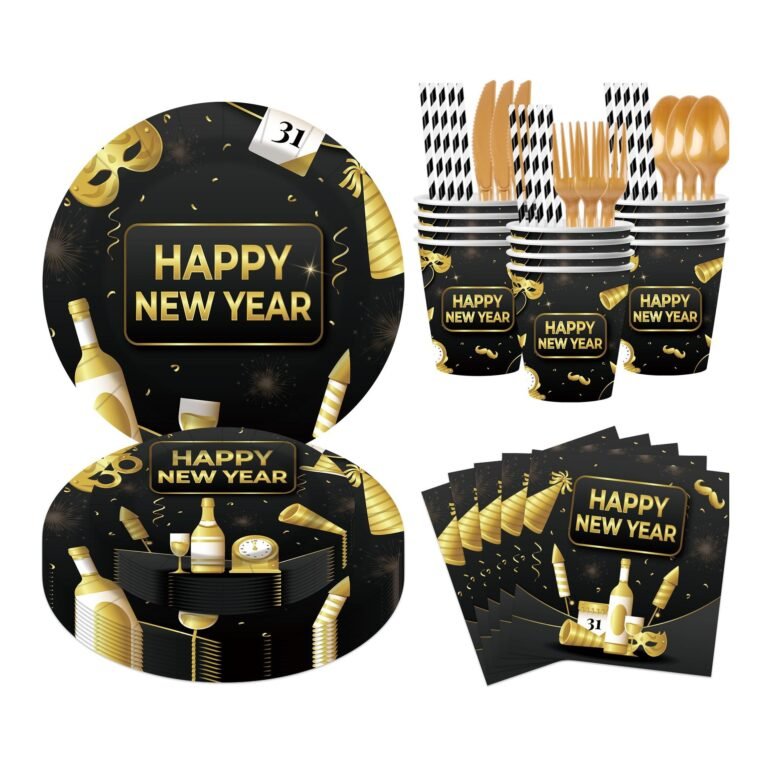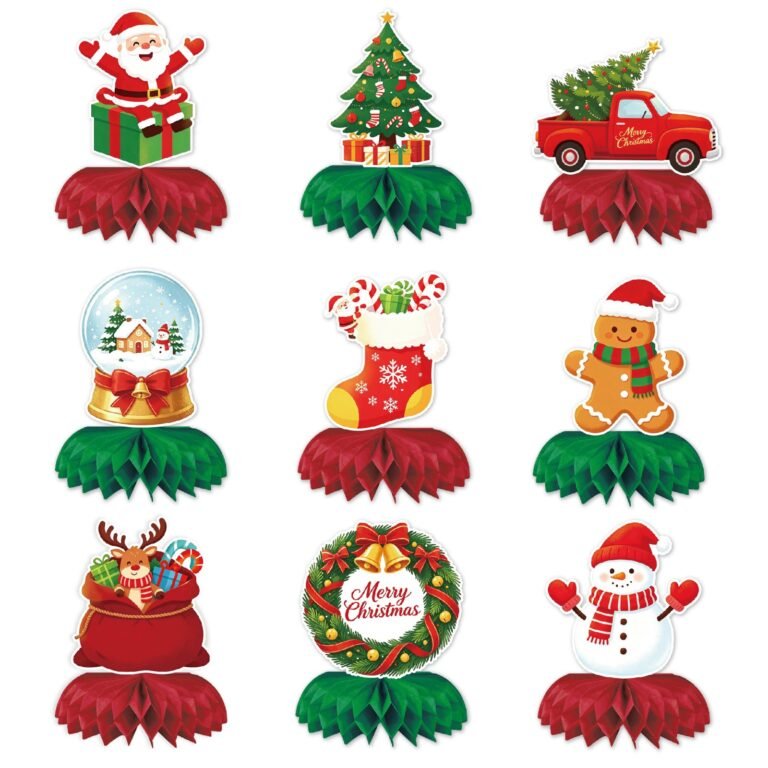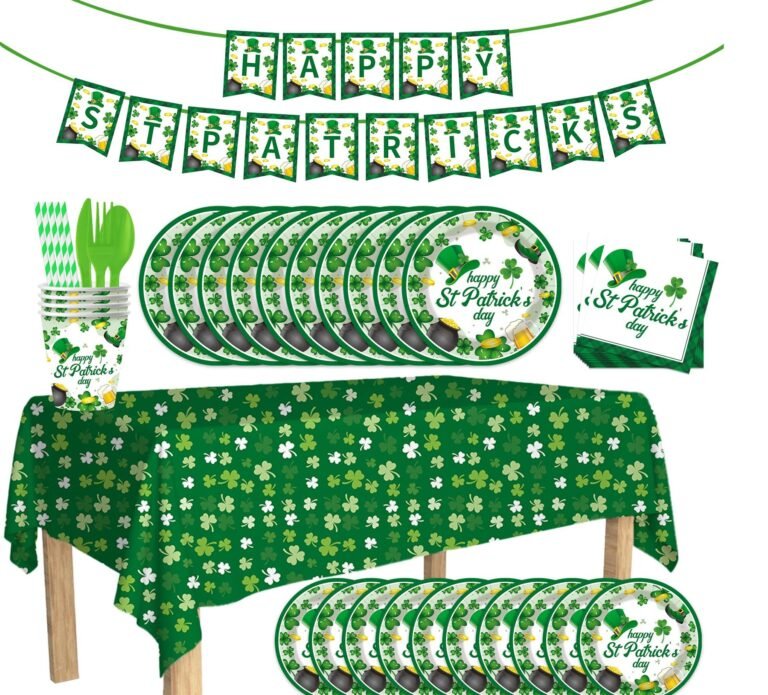
Quality Control for Seasonal Decorations: Inspection Checklists for Importers

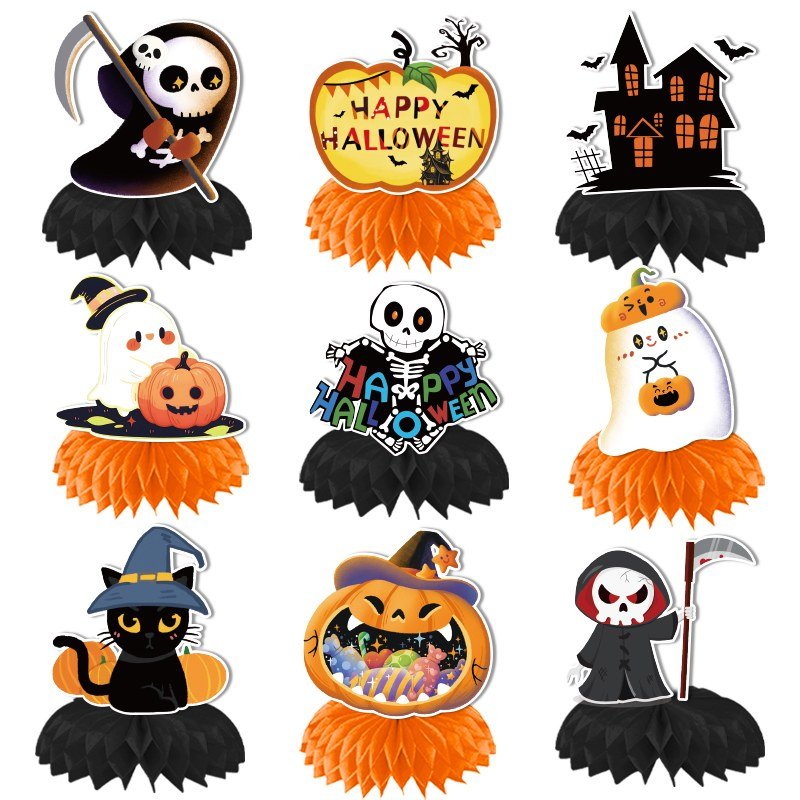
Quality control for seasonal decorations becomes difficult when a product looks correct in a sample but arrives with weak structures, inconsistent finishes, missing accessories, or damaged packaging. These problems can create returns and missed selling windows.[1] I recommend a staged inspection process that connects product use, failure risk, sample comparison, and shipment decisions.
Quick Answer
For quality control for seasonal decorations, I recommend three checkpoints: define acceptance criteria before ordering, document the approved sample after sampling, and inspect the bulk goods before shipment. Check dimensions, appearance, construction, function, accessories, quantities, and packaging according to the product’s use scenario. A defect should lead to acceptance, rework, reinspection, partial hold, or rejection based on its likely commercial impact.
- Before ordering: confirm use, specifications, packaging, and destination-market requirements.
- After sampling: record the approved sample with photos, measurements, color references, and accessory details.
- Before shipment: compare production goods with the approved reference and inspect a representative quantity[2].
- Always connect defects to decisions: a minor visual issue may be acceptable, while a weak connector or missing part may require a hold.
- Verify market-specific compliance separately: supplier documents and inspection records do not automatically prove full compliance.
A checklist is useful only when it helps an importer decide whether goods are usable, sellable, and sufficiently consistent with the approved reference. I will explain how to build that checklist around real product risks rather than treating every decoration as if it needed the same inspection.
Quality Control for Seasonal Decorations: Inspection Checklists
Many buyers start with a generic list of material, color, size, and quantity. That list can miss the most expensive problems. A hanging ornament, a tabletop centerpiece, a fabric banner, and a battery-operated lighted item have different failure points.
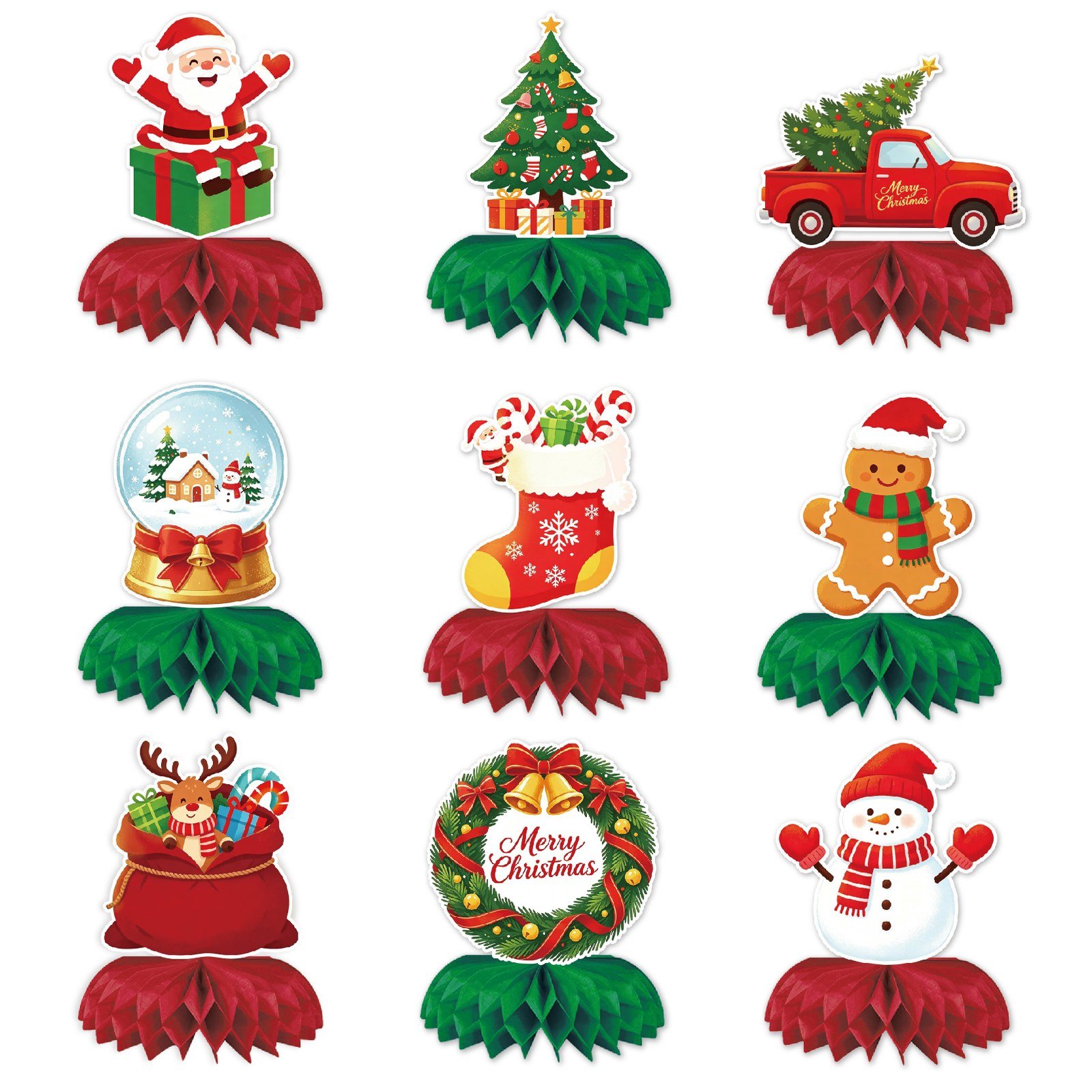
A useful quality control for seasonal decorations checklist begins with the product’s intended use. It should identify how buyers install, handle, display, transport, and store the item.[3] It should then connect each risk to an inspection method and a release decision.
Start with the use scenario
The statement immediately changes the inspection focus. If the product hangs from a tree, the loop, hook, cord, and attachment point matter. If it stands on a table, the base, balance, and stability matter. If a consumer assembles it, the instructions, connectors, and included parts matter.
| Use or supply stage | Possible failure | Commercial consequence | Inspection response |
|---|---|---|---|
| Installation | Weak hook or connector | Product falls or cannot be displayed | Check attachment and perform a suitable practical check |
| Handling | Fragile ornament or loose component | Breakage, complaints, returns | Inspect construction and protective packaging |
| Transport | Compression or abrasion | Scratches, dents, deformation | Review carton design and conduct packing checks |
| Retail display | Color or finish differs from sample | Collection looks inconsistent | Compare bulk goods with the approved reference |
| Consumer use | Missing accessory or unclear assembly | Poor reviews and refunds | Count components and review instructions |
| Storage | Moisture or unsuitable inner pack | Damage before next season | Confirm packaging and storage suitability |
Do not inspect material names alone
A material declaration can be accurate and still fail to answer the buyer’s main question[4]: will the finished item arrive and perform as intended? “Plastic,” “metal,” “paper,” “wood,” or “fabric” describes a material category. It does not confirm the quality of a joint, print, coating, seam, adhesive, fold, or package.
- Appearance: color, print, finish, shape, cleanliness, and visible defects.
- Structure: seams, joints, attachment points, bases, handles, and reinforcement.
- Function: opening, folding, hanging, standing, assembly, lighting, or other intended actions.
- Completeness: accessories, labels, instructions, inserts, and quantities.
- Protection: inner packaging, master cartons, stacking, and resistance to ordinary handling.
The exact checks should change by product. A paper garland may need print registration and folding checks. A fabric stocking may need seam quality and hanging-loop checks. A resin figure may need paint adhesion, surface protection, and breakage-risk review. A lighted decoration may require qualified technical and compliance evaluation appropriate to the destination market. I do not treat this article as a substitute for laboratory testing, engineering assessment, or regulatory advice.
Turn risks into acceptance criteria
- The finished size must remain within the agreed tolerance.
- The printed design must match the approved artwork and color reference as closely as the agreed process allows.
- The hanging loop must be securely attached and positioned correctly.
- The retail package must contain the stated number of components.
- The carton must protect the product without creating excessive unused space or crushing pressure.
I also recommend classifying issues before inspection. Critical issues can affect safety, legal saleability, or basic use.[5] Major issues can make the product unsellable or cause a high rate of complaints. Minor issues are cosmetic or limited and may be acceptable within an agreed standard. The classification must be product-specific and documented before shipment.
What Should Buyers Confirm Before Ordering?
Unclear requirements create preventable disagreements after production. A supplier may produce exactly what the quotation describes while the buyer expects a more durable finish, stronger attachment, or better retail presentation.
Before ordering seasonal decorations, I recommend confirming the product use, approved specifications, artwork, packaging, quantity basis, inspection criteria, and required documents. Buyers should also identify which requirements are subject to destination-market verification before placing the order.
Build a pre-order specification sheet
| Specification area | Questions for the buyer |
|---|---|
| Product identity | What is the item name, style number, collection, and version? |
| Intended use | Is it for hanging, tabletop display, gifting, party use, packaging, or another purpose? |
| Dimensions | Which dimensions matter, and where should they be measured? |
| Materials | Which materials, components, finishes, or substitutions require approval? |
| Appearance | What artwork, colors, textures, printing, and finish should the supplier follow? |
| Function | What must open, close, stand, hang, fold, connect, or illuminate? |
| Accessories | Which hooks, ribbons, batteries, inserts, labels, or instructions are included? |
| Packaging | What is the retail pack, inner pack, master carton, and shipping-mark requirement? |
| Quantity | What is the order quantity, packed quantity, and acceptable shortage process? |
| Documents | Which invoices, packing records, declarations, reports, or other documents are required? |
A buyer should identify the critical-to-quality characteristics separately from ordinary details. For example, the exact placement of a small printed icon may be less commercially important than a missing hanging loop. A slight variation in handmade texture may be acceptable, while a warped display base may make the item unusable.
Confirm packaging before production starts
- Individual product protection.
- Number of pieces per inner carton.
- Master-carton dimensions and gross weight.
- Protection for painted, printed, glittered, or polished surfaces.
- Separation of fragile parts.
- Protection against movement inside the carton.
- Retail labels, barcodes, warnings, and language requirements where applicable.
- Carton marks and packing-list details.
- Whether the buyer needs mixed-SKU consolidation.
A package that protects the decoration but causes excessive empty space may increase freight cost. A tightly packed carton may reduce volume but create pressure damage. The correct balance depends on the item and transport route. The buyer should ask for a packaging sample, photographs, or a packing trial when the product has a meaningful damage risk.
Check commercial timing
I do not recommend treating the inspection date as the only quality milestone. A late inspection can identify a problem, but it may leave too little time to correct it. Early clarity is usually more valuable than a longer checklist at the end.
How Should the Approved Sample Be Used?
A sample reduces uncertainty, but it does not prove that every production unit will match it.[8] Bulk production can introduce changes in fabric shade, print registration, assembly, coating, dimensions, accessories, and packaging.
The approved sample should function as a controlled visual and physical reference. Buyers should document its important features, retain an identifiable version, and compare production goods against it. Sample approval should not replace bulk inspection.
Record the reference properly
- Clear photographs from several angles.
- Product measurements and measurement points.
- Weight where weight affects shipping or use.
- Artwork version and color reference.
- Surface finish and texture notes.
- Construction photographs showing seams, joints, and attachment points.
- Accessory count.
- Retail-package photographs.
- Inner-pack and master-carton details.
- Date, style number, and approval status.
- Any agreed deviations from the original sample.
If the supplier makes a change after approval, the buyer should decide whether the change needs a new approval. A replacement material, different trim, altered print, new packaging insert, or changed component can affect the final result even when the product name stays the same.
Compare the characteristics that customers notice
| Characteristic | Sample reference | Bulk check | Possible decision |
|---|---|---|---|
| Dimensions | Approved measurements | Measure a suitable number across cartons | Accept, rework, or hold |
| Color | Approved artwork or physical reference | Compare under consistent viewing conditions | Accept variation or investigate |
| Finish | Agreed gloss, texture, glitter, or coating | Check consistency and surface damage | Rework or accept by limit |
| Construction | Approved seams, joints, and attachments | Inspect high-risk points | Hold if function is affected |
| Accessories | Exact components and count | Open packs and count | Correct packing or hold |
| Packaging | Approved inner and outer pack | Check protection and labels | Repack or approve |
| Function | Expected action or assembly | Perform a practical use check | Hold if unusable |
Color comparison can be affected by light source, camera settings, and monitor display.[7] For that reason, photographs help document a condition, but they may not replace an agreed physical reference or suitable color evaluation. I would state the comparison method in advance when color is commercially important.
Separate acceptable variation from uncontrolled change
Seasonal decorations may include handmade, natural, printed, or textured elements. Some variation can be normal. The buyer should not reject every difference automatically, but the buyer should also avoid accepting uncontrolled changes simply because the product is decorative.
- Expected variation: a documented difference that does not affect appearance, use, or saleability beyond the agreed range.
- Uncontrolled variation: a difference caused by material substitution, process drift, poor assembly, or inadequate supervision.
- Critical deviation: a difference that affects safety, function, required labeling, customer expectation, or market access.
What Should a Pre-Shipment Inspection Checklist Include?
A pre-shipment inspection for seasonal decorations should cover identity, quantity, appearance, construction, function, accessories, packaging, shipping marks, and corrective actions. The inspection scope should reflect the product’s risk, order value, and destination requirements.
Verify product identity and production status
- Purchase order or order reference.
- Style numbers and product names.
- Quantities produced and quantities packed.
- Production completion status.
- Carton count.
- Samples selected and carton locations.
- Approved sample or specification version used.
- Open corrective actions from earlier checks.
Review appearance and workmanship
- Correct shape and proportions.
- Color and print consistency.
- Clean edges and surfaces.
- Secure trims, ribbons, beads, sequins, or decorative elements.
- No unacceptable stains, scratches, dents, cracks, glue marks, loose threads, or exposed raw material.
- Consistent coating, glitter, flocking, or texture where applicable.
- Correct placement of logos, patterns, labels, and decorative parts.
Review construction and function
- Seams and stitching.
- Glued or welded joints.
- Hooks, loops, cords, and handles.
- Bases, stands, folds, and hinges.
- Fasteners and connectors.
- Assembly sequence and fit.
- Opening, closing, folding, hanging, standing, or stacking.
- Electrical or battery-related features, where applicable.
A simple practical check can reveal more than a visual inspection.[6] A hanging product can be suspended and handled in a controlled way. A tabletop item can be assembled and placed on a suitable surface. A folding product can be opened and closed. These checks must be appropriate to the product and should not be treated as engineering or laboratory tests.
For electrical, children’s, food-contact, or other regulated categories, the buyer should obtain category-specific professional guidance and verify the destination market’s current requirements. Seasonal appearance does not remove technical or legal obligations.
Verify packaging, quantities, and cartons
- Correct number of pieces per retail pack.
- Correct number of retail packs per inner carton.
- Correct inner-carton count per master carton.
- Product protection and separation.
- Retail packaging condition.
- Barcode, label, language, and warning details where required.
- Carton marks and shipping information.
- Carton closure and visible damage.
- Gross weight and dimensions when these affect logistics.
- Packing-list agreement with actual contents.
Quantity errors can be expensive even when every individual item looks good. Missing units can disrupt retail sets, promotional bundles, and distributor allocations. Extra units can create receiving and invoicing discrepancies. The release decision should account for both the numerical difference and the buyer’s ability to sell complete assortments.
Connect defects to actions
| Finding | Typical commercial concern | Possible action |
|---|---|---|
| Cosmetic variation within agreed range | Low customer impact | Accept and record |
| Minor isolated issue | Limited impact on saleability | Accept, monitor, or request sorting |
| Repeated appearance defect | Collection inconsistency or returns | Rework or partial hold |
| Missing accessories | Product cannot be sold as described | Correct packing and recheck |
| Weak attachment or unusable function | Customer complaint or product failure | Hold, rework, and reinspect |
| Damaged protective packaging | Transit loss risk | Repack and verify |
| Significant quantity shortage | Incomplete order allocation | Correct quantity or agree commercial remedy |
| Unresolved critical deviation | Safety, legal, or basic-use concern | Do not release until qualified review |
How Can Buyers Choose a Supplier for Reliable Quality?
A checklist cannot compensate for a supplier that does not control versions, communicate changes, or respond to corrective actions. Supplier selection should therefore include quality-system behavior, not only price and product photographs.
Buyers should evaluate whether a seasonal-decoration supplier can maintain the approved specification, control production changes, protect goods during packing, document corrective action, and support reinspection. A supplier’s claims or certificates should be treated as documents to verify, not automatic proof of shipment quality.
Ask process questions before comparing quotations
- How will the approved sample and artwork version be identified?
- Who approves material or component substitutions?
- Which parts of the product have the highest failure risk?
- How does the supplier check production before packing?
- How are quantity and accessory counts controlled?
- How are fragile or surface-sensitive products protected?
- What happens if a pre-shipment inspection finds a repeated defect?
- Can the supplier provide revised samples after a material or construction change?
- Which documents can the supplier provide, and what do those documents actually cover?
- How will the supplier support rework, sorting, or reinspection?
Compare suppliers using a weighted view
| Evaluation factor | Why it matters | Suggested buyer question |
|---|---|---|
| Product understanding | Reduces specification mistakes | Can the supplier explain use and failure risks? |
| Sample control | Protects sample-to-bulk consistency | How is the approved version recorded? |
| Manufacturing capability | Supports stable construction | Which processes are controlled in-house or by partners? |
| Packaging planning | Reduces transit and warehouse damage | Can the supplier show the proposed packing method? |
| Customization support | Helps private-label programmes | How are artwork and packaging changes approved? |
| Corrective action | Limits repeated defects | What is the response to a failed inspection? |
| Export coordination | Supports seasonal timing | How are packing details and shipment documents checked? |
| Communication | Allows early intervention | Who handles production changes and approvals? |
Consider programme-level sourcing
Importers often need a coordinated seasonal range rather than one isolated item. A supplier that can support related patterns, packaging formats, product consolidation, and private-label presentation may reduce coordination work. However, a larger collection also creates more opportunities for version confusion.
- A master style list.
- A shared artwork and packaging register.
- A collection-level color reference.
- Separate inspection points for each high-risk style.
- A consolidated packing plan.
- A clear rule for approving substitutions.
At HKDayo, our business context includes seasonal decorations, party products, personalized gifts, home décor, creative toys, and promotional products, with OEM/ODM and packaging support for global buyers. I present these capabilities as sourcing options to evaluate against a buyer’s specification. Buyers should still verify the product details, documents, samples, and destination-market requirements for each programme.
How Should Buyers Handle Inspection Results Before Shipment?
After inspection, buyers should classify findings, agree corrective actions in writing, confirm responsibility and timing, and decide whether to release, rework, reinspect, partially hold, or reject the affected goods. The decision should reflect product risk, defect frequency, seasonal timing, and customer impact.
Use a corrective-action record
- Defect description.
- Product style and batch.
- Photographs.
- Quantity affected or estimated affected.
- Risk classification.
- Required correction.
- Responsible party.
- Completion date.
- Reinspection requirement.
- Final release decision.
The supplier should not simply promise to “pay attention.” The corrective action should explain what will change in production or packing. For example, the supplier may need to replace a weak attachment, add a protective insert, separate surface-sensitive components, correct a label, or sort finished goods.
Decide according to commercial exposure
- Is the product still usable?
- Will the customer notice the issue at retail or after purchase?
- Does the issue affect a full collection?
- Can the supplier correct it without damaging the item?
- Is rework possible before the shipping deadline?
- Will delay cause a missed seasonal selling window?
- Can the affected quantity be isolated?
- Does the problem require technical or legal review?
A partial hold may be more practical than rejecting an entire mixed shipment when only one style or carton group is affected. Conversely, a repeated defect in a key display or gift set may justify holding the complete set because incomplete assortments are difficult to sell.
Keep shipment records aligned
Export documentation and consolidation practice can involve shipment-specific decisions. I recommend obtaining qualified logistics or trade advice when the order has unusual documentation, mixed products, special labeling, or destination-market requirements. Inspection records support a decision, but they do not replace required official documents or product testing.
Frequently Asked Questions
What is the most important quality check for seasonal decorations?
The most important check depends on the product’s use. For hanging items, attachment strength and completeness may matter most. For tabletop décor, stability and construction may be more important. For printed or gift-packaged items, appearance and packaging can drive customer acceptance. I recommend starting with the most likely failure and its commercial consequence.
Is an approved sample enough to release a bulk order?
No. An approved sample is a reference for comparison, not proof of bulk consistency. Production may vary in dimensions, color, finish, construction, accessories, and packaging. Buyers should retain the approved reference and complete a suitable bulk inspection before shipment.
Should every defect lead to rejection?
No. The correct action depends on severity, frequency, use, customer visibility, and the ability to correct the problem. A minor variation within an agreed range may be accepted. A repeated functional defect may require rework, reinspection, a partial hold, or rejection.
When should a buyer inspect seasonal decorations?
I recommend three checkpoints: before ordering, after sample approval, and before shipment. Buyers may add an in-production check when the product has complex construction, multiple suppliers, high customization, or a meaningful risk of late discovery.
Do supplier certificates guarantee product compliance?
No. Certificates, declarations, and inspection documents must be checked for scope, date, product identity, issuing organization, and destination-market relevance. Buyers should verify current requirements for the specific product category and market with qualified professionals or competent authorities.
Conclusion
Quality control for seasonal decorations works best as a staged commercial decision process. I recommend starting with the product’s use and failure risks, documenting the approved sample, checking bulk consistency, and reviewing appearance, construction, function, quantities, and packaging before shipment. Buyers should also connect every defect to a clear action instead of relying on a generic checklist. HKDayo can support seasonal product sourcing, OEM/ODM development, customization, packaging, consolidation, and export coordination. Request a quotation with your product specifications, target market, packaging needs, and inspection expectations.
Sources
- ESSAYS ON PRODUCT RETURNS IN A CLOSED-LOOP …", Empirical research on retail quality and returns can support the association between observable product defects and higher return or complaint rates
- 6.2.1. What is Acceptance Sampling?", ISO 2859-1 describes acceptance-sampling procedures for inspecting lots by attributes, providing a formal basis for selecting and evaluating a sample rather than inspecting every unit
- FDA’s Risk-Based Approach to Inspections", Risk-assessment literature generally treats intended and reasonably foreseeable use as an input to identifying hazards and selecting proportionate controls
- Advanced Manufacturing Research", Engineering quality references distinguish material properties from the performance of an assembled product, which also depends on design geometry, processing, joining, and service conditions
- Consumer Product Safety Commission: Actions Needed to …", Acceptance-inspection standards commonly distinguish defect classes by the seriousness of their effect on conformity or use, providing a framework for separating critical, major, and minor findings
- The Role of Visual Inspection in the 21st Century", Studies of inspection and product testing report that functional checks can expose performance failures that are not observable from appearance alone
- Color Error in the Digital Camera Image Capture Process", CIE colorimetry guidance recognizes that color appearance and recorded color depend on illumination, viewing conditions, and the characteristics of the measuring or display system
- Manufacturing", Statistical quality-control literature treats an approved sample as evidence about a production process or lot, not as proof that every unit has identical characteristics
Hi, I'm Danson. I work closely with our manufacturing partners to develop and deliver seasonal decorations, party supplies, and celebration products for international wholesale buyers. Here, I share practical product knowledge, customization insights, and manufacturing experience to help buyers build successful seasonal collections.
Have a wholesale project in mind? Let's talk!
Discuss Your Wholesale Project Request a Wholesale QuotePlanning a Wholesale Order from China?
Share your product requirements, quantities and destination. Let's discuss your wholesale requirements.