Spring Festival Season Planning: Easter, Graduation and Wedding Overlaps

Spring Festival Season Planning can become difficult when Easter, graduation, and wedding buying windows overlap within only a few months. Without a clear range strategy, importers can end up with too many similar SKUs, slow-moving inventory, and late approvals. I recommend planning one coordinated spring assortment that shares materials, colours, and adaptable motifs across multiple occasions.
Spring Festival Season Planning works best when buyers build a focused range around occasion-specific hero items and reusable spring designs. Easter products should receive approval first because their retail window arrives earliest, while neutral florals, pastel tableware, bunting, gift packaging, and photo accessories can support graduation and wedding demand without creating duplicate SKUs.
I see spring buying as a connected commercial period rather than three completely separate events. A buyer who maps demand early can reduce repeated sourcing work, improve material consistency, and give retail customers a wider-looking assortment without carrying an unnecessarily large product catalogue.
Quick Answer: How Should Buyers Approach Spring Festival Season Planning?
Spring Festival Season Planning should begin with a shared range framework, not separate Easter, graduation, and wedding lists. I recommend assigning every SKU a primary occasion, a secondary selling opportunity, and a clear role in the assortment. This helps buyers protect shelf relevance while keeping their total SKU count under control.
The most practical approach is to combine:
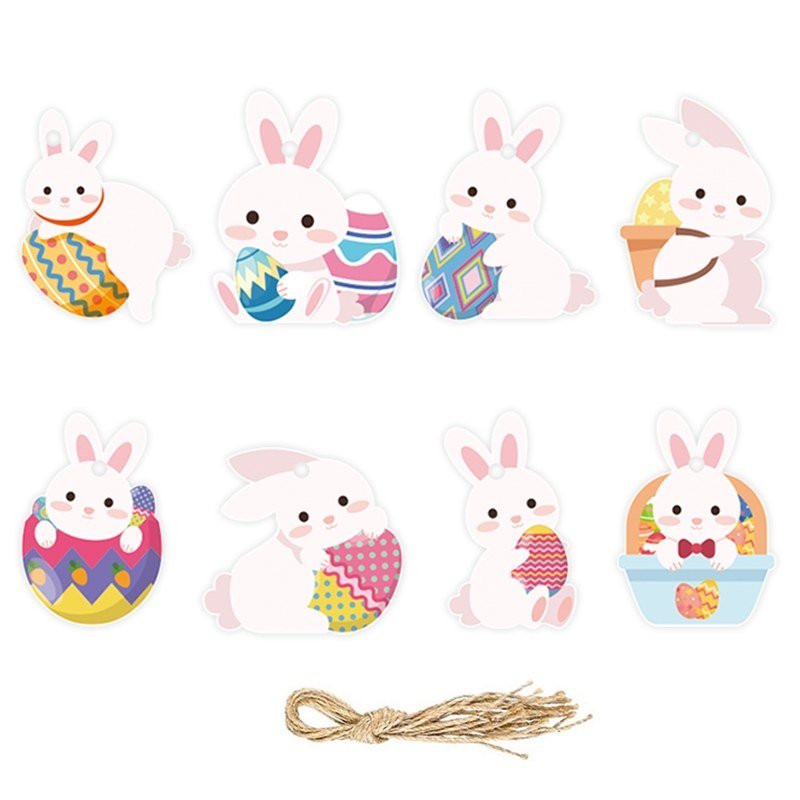
- Easter-specific items such as bunny, egg, chick, and pastel-themed decorations
- Graduation-led products such as school-colour bunting, photo props, party accessories, and gift presentation items
- Wedding-led products such as neutral table styling, floral décor, gift bags, and personalized presentation pieces
- Cross-occasion spring products such as botanical motifs, soft colour palettes, reusable tableware, paper décor, ribbons, and generic celebration accessories
I recommend treating Easter as the first deadline in the spring calendar. Its shelf date often arrives before graduation ceremonies and peak wedding celebrations. This means Easter designs, samples, packaging approvals, and production confirmations should move through the approval sequence first.
At the same time, buyers should avoid building a range made only of event-specific products. A large bunny print may be useful for Easter, but it has limited application after the holiday. A pastel floral table runner, however, may fit Easter brunches, garden weddings, Mother’s Day displays, and general spring home décor.
I have found that the strongest wholesale ranges do not try to make every product suitable for every event. Instead, they balance focused occasion products with flexible items that can remain commercially useful across several selling periods.
Where Easter, Graduation and Wedding Demand Overlap in Spring Festival Season Planning?
Easter, graduation, and wedding demand can appear close together, which creates pressure on buyers to source quickly and broadly. The risk is that each buying team treats these occasions as isolated projects. I recommend looking for shared visual themes and materials before selecting individual products.
The overlap in Spring Festival Season Planning comes from generic celebration needs: decorating a table, presenting gifts, styling photos, creating party spaces, and adding seasonal colour. Buyers can use florals, pastels, neutrals, ribbons, bunting, disposable tableware, and personalized gift formats across several occasions with adjusted artwork or packaging.
Start With the Customer Occasion, Not the Product Category
I recommend that importers first define how the end customer will use the product. This method often reveals stronger overlap than a category-first approach.
For example, a buyer may initially source:
- Easter party tableware
- Graduation party tableware
- Wedding disposable tableware
These may look like three separate product families. However, the underlying customer need is similar: convenient, coordinated table presentation for a celebration. The buyer can then develop a shared base range with different printed designs, colour options, or packaging configurations.
The same thinking applies to decorations. A paper fan, tissue pom-pom, garland, balloon accessory, table sign, or photo backdrop may support different spring events when the visual treatment changes.
Separate Hero SKUs From Flexible SKUs
A useful wholesale range normally includes both hero SKUs and flexible SKUs.
Hero SKUs create event recognition. They may include:
- Bunny-shaped decorations
- Egg-print party supplies
- Graduation cap photo props
- “Congratulations Graduate” banners
- Wedding-specific place cards
- Bridal shower gift bags
Flexible SKUs provide longer selling opportunities. They may include:
- Floral paper napkins
- Neutral-colour table runners
- Botanical garlands
- Cream, blush, sage, or soft yellow décor
- Generic celebration bunting
- Ribbon, wrapping, and gift presentation accessories
- Plain or minimally printed photo props
I suggest that buyers use event-specific hero products to establish the range identity, then use generic spring products to build basket size. This approach can make a catalogue feel complete without adding near-identical products for every occasion.
Consider Different Retail Channels
Not every retailer will need the same overlap strategy. A party store may want more graduation and Easter graphics. A home décor retailer may place more value on neutral floral décor. An e-commerce seller may prefer personalized gift formats or compact products that are easier to photograph, store, and ship.
For this reason, I recommend asking suppliers to organize quotations by use case, material, size, and customization option instead of only by holiday. This gives buyers a better basis for comparing assortment choices across channels.
Choosing Reusable Spring Motifs for Spring Festival Season Planning?
Buyers often need fresh seasonal designs, but highly specific graphics can create leftover inventory risk. I recommend choosing reusable spring motifs that feel seasonal without depending on one holiday message. This keeps the range relevant across Easter, graduation gatherings, weddings, and other spring celebrations.
Reusable spring motifs usually include botanical elements, soft colour combinations, light textures, and simple celebratory forms. Florals, greenery, gingham, pastel stripes, butterflies, garden themes, and neutral ribbons can work across several selling periods when used carefully.
Use a Motif Ladder
I use a simple motif ladder when I review a seasonal range. The ladder separates products according to how narrow or broad their use is.
- Occasion-exclusive motifs
These are strongly linked to one event. Examples include Easter eggs, bunny ears, graduation caps, diplomas, wedding rings, and bride-and-groom wording.
- Occasion-led motifs
These have a clear event connection but can still work in related settings. Examples include pastel flowers for Easter and weddings, “celebrate” wording for graduation and weddings, or garden party imagery for Easter brunches and spring receptions.
- Season-wide motifs
These can carry across most of the spring season. Examples include wildflowers, greenery, soft stripes, bows, neutral paper textures, and general celebration colours.
A balanced range should include all three levels. If every SKU is occasion-exclusive, the buyer may face narrow demand windows. If every product is generic, the assortment may not feel distinctive enough for holiday merchandising.
Build Colour Systems That Travel Across Occasions
Colour selection can do more than printed graphics to create cross-selling opportunities. I recommend that buyers build a small, controlled palette rather than choosing unrelated colours for each event.
A spring palette may include:
- Blush pink
- Soft yellow
- Sage green
- Lavender
- Powder blue
- Cream
- White
- Natural kraft tones
- Gold or silver accent finishes where appropriate
For Easter, a buyer may use brighter pastels with egg or bunny illustrations. For graduation, the same basic palette can support school-colour accents in bunting, banners, or photo props. For weddings, cream, blush, sage, and floral designs may become the dominant visual direction.
The important point is not that every product should match exactly. Instead, I recommend that the range has enough shared colour logic that wholesalers and retailers can merchandise products together.
Verify Material and Finish Early
A reusable motif does not automatically create a reusable product. The material, finish, size, and construction must also fit the intended occasions.
For example, a paper garland may work across Easter, graduation, and weddings, but buyers should still confirm:
- Paper weight or material specification
- Printed finish and colour reference
- Hanging length
- Pack quantity
- Assembly requirement
- Whether accessories are included
- Packaging format
- Warning labels or market-specific information where required
I recommend confirming these points in writing during sampling and before purchase order approval. Product images can show a concept, but a documented specification helps buyers compare offers and reduce avoidable misunderstandings.
Managing a Long Spring Season Without Duplicate SKUs in Spring Festival Season Planning?
A long spring selling period can tempt buyers to add more products for every holiday. That approach may create an assortment that looks broad but is hard to manage. I recommend setting SKU limits and using a clear role for each product before adding new designs.
The goal is not to remove variety. The goal is to avoid buying several products that solve the same customer need with only minor visual differences. Buyers should keep distinct hero designs where they add value, then use shared base products for cross-occasion selling.
Assign Every SKU Two Jobs
I recommend documenting a primary occasion and secondary occasion for each SKU. This simple exercise can show which products have a narrow sales window and which products can support broader spring demand.
| SKU role | Primary occasion | Secondary occasion | Range purpose |
|---|---|---|---|
| Bunny-print napkins | Easter | Spring children’s party | Event-specific hero item |
| Pastel floral napkins | Easter brunch | Wedding, garden party | Cross-occasion table styling |
| School-colour bunting | Graduation | School event, achievement party | Occasion-led decoration |
| Neutral botanical garland | Wedding | Easter display, home décor | Reusable décor item |
| Generic “Celebrate” banner | Graduation | Wedding shower, birthday | Flexible celebration accessory |
| Floral gift bag | Easter gifting | Wedding favor, spring gift | Cross-occasion packaging |
This structure helps a buyer identify duplicate SKU risk. For example, a pastel floral napkin and a botanical garden napkin may appear different at first glance. However, if they target the same customer, price position, material, and retail use, the buyer may only need one of them.
Set a SKU Cap Before Range Expansion
I recommend setting a provisional SKU cap before a buying team begins adding designs. The cap does not need to be rigid, but it should force a commercial decision: Does this product add a new use case, a new customer segment, or a meaningful design direction?
A buyer can ask these questions before approving another SKU:
- Does this item serve a different occasion or end use?
- Does this product fill a gap in price positioning, material, size, or pack format?
- Can the same artwork be offered as a variation rather than a separate base product?
- Does this item have a secondary selling opportunity?
- Is the design sufficiently different from existing items?
- Can the product be reordered outside the main event window?
I also recommend distinguishing between a true new SKU and a variation. A new printed design on the same item may be a variation, while a new material, size, pack configuration, or function may justify a separate SKU.
Reduce Duplicate Materials and Components
Shared components can simplify range management. For example, a buyer may use one common paper weight for several party products, one ribbon width for gift packaging, or one packaging structure for a family of seasonal accessories.
This can support clearer quality control because the buyer and supplier are reviewing fewer material variables. It may also simplify visual consistency across the range. However, I would not assume that one material is suitable for all applications. Buyers should evaluate the intended use, handling requirements, packaging needs, and applicable market expectations for each product.
For application-specific decisions, I recommend that buyers consult qualified product, regulatory, or testing professionals as needed. Any certificates, test reports, or compliance documents should be requested, reviewed, and verified for the exact product, material, market, and production context.
Sampling and Approval Sequence for Spring Festival Season Planning?
Late samples can undermine even a well-planned range. Easter products usually need the earliest retail placement, yet buyers sometimes approve them alongside later graduation or wedding items. I recommend using a staged sampling sequence that follows shelf timing, not simply the order in which products were sourced.
For Spring Festival Season Planning, buyers should approve Easter-specific products first, then shared spring items, followed by graduation and wedding-led designs. This sequence gives the earliest seasonal opportunity the strongest protection while keeping flexible products available for later range adjustments.
Prioritize by Shelf Date
I recommend that buyers work backward from the planned retail shelf date. The process should include time for sample review, revisions, material confirmation, artwork approval, packaging review, production scheduling, inspection planning, and logistics.
A practical priority order may look like this:
- Easter-specific hero products
Bunny, egg, chick, Easter message, and children’s activity concepts should move first because they have the narrowest selling window.
- Shared spring products
Floral, botanical, pastel, neutral, and generic celebration items should follow. These products may still support several occasions if minor adjustments are needed.
- Graduation products
Graduation products should be approved according to school and regional event timing. Buyers may also need to confirm artwork options for different school colours or generic versions.
- Wedding-led and neutral event products
Wedding products may have a longer selling season, especially when they use neutral styling. However, buyers should still plan enough time for personalized elements, packaging decisions, and collection photography.
Use Written Approval Points
I recommend that buyers avoid vague approvals such as “looks good” or “same as photo.” A stronger approval process identifies the exact version that has been reviewed.
Written approval points should cover:
- Product name and internal SKU reference
- Material specification
- Product dimensions and tolerances where relevant
- Colour reference or approved artwork file
- Print placement and finish
- Pack quantity and packaging details
- Label requirements
- Sample version and date
- Required documentation, if applicable
- Approved changes and unresolved points
When I review a sample, I separate aesthetic feedback from production-critical feedback. Aesthetic feedback may include colour mood, pattern scale, or photo styling. Production-critical feedback may include dimensions, material thickness, construction, sharp edges, packaging strength, or print alignment. Both matter, but they should not be mixed into one unclear note.
Plan for Revision Cycles
Most product development requires at least some revision. Buyers should allow time for this instead of assuming that the first sample will be final. A clear sample brief can reduce revisions, but it cannot remove all variables.
I recommend sending suppliers a consolidated feedback document rather than multiple fragmented messages. The document should state:
- What is approved
- What must change
- What is optional
- What must be confirmed before production
- Which details are still under buyer review
This approach supports cleaner communication for OEM and ODM projects, especially when artwork, personalization, materials, and packaging are all being developed at the same time.
Product Options in This Range
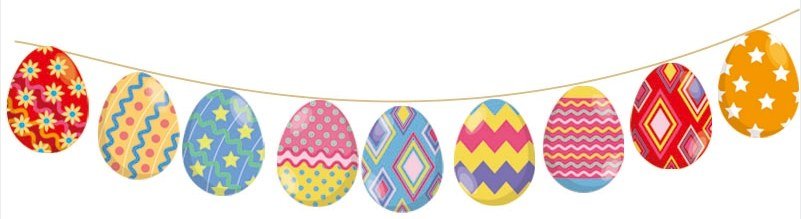
Easter Egg Bunting Banner — 9 Die-Cut Egg Cards with Twine
SKU FS-025 sits in this range as option 1. Open the FS-025 product page.
Easter Bunny Hanging Decoration Set — 8 Die-Cut Bunnies with Twine
The FS-032 page lists the specification sheet and the sample request route. Open the FS-032 product page.
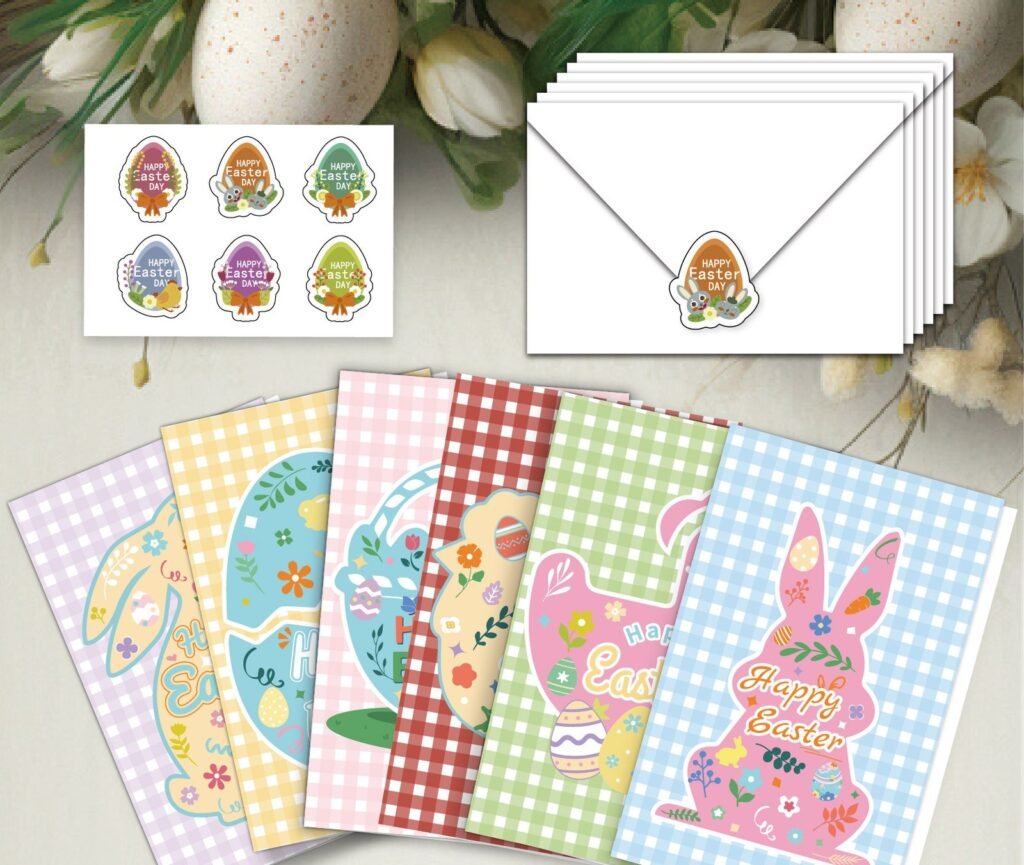
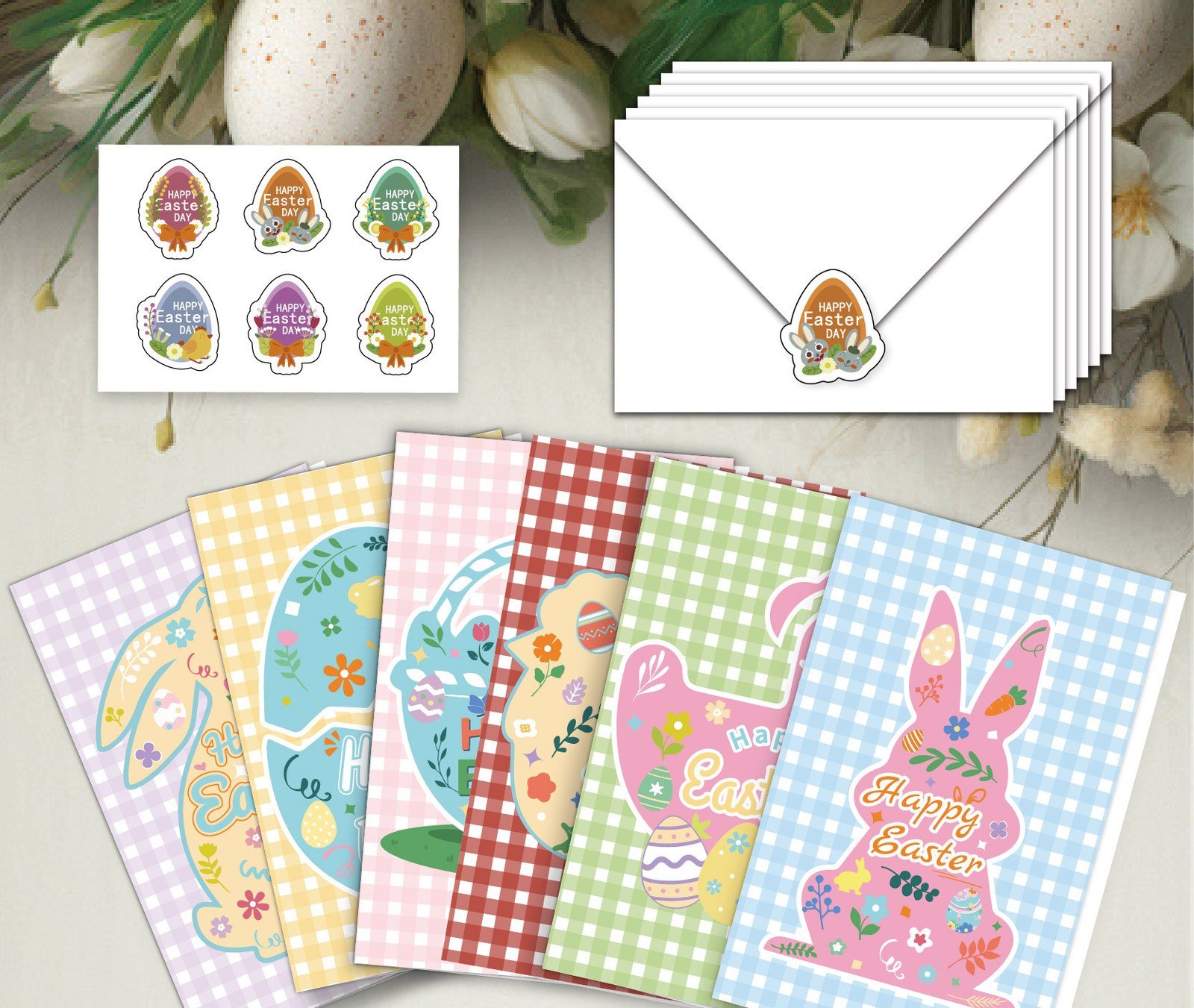
Easter Greeting Card Set — 6 Gingham Cards with Envelopes & Stickers
Buyers comparing formats can review FS-035 alongside the other two options. Open the FS-035 product page.
Frequently Asked Questions About Spring Festival Season Planning
What products can work for Easter, graduation, and weddings?
Reusable products can include neutral floral tableware, botanical garlands, pastel decorations, generic celebration banners, gift packaging, ribbons, and photo accessories. I recommend using event-specific graphics only where they create a clear commercial reason, then supporting them with flexible spring designs.
Why should Easter items be approved first?
Easter products usually have the earliest shelf date among the three main spring occasions. I recommend approving Easter-specific samples, artwork, and packaging first because delays can shorten the already limited selling period for bunny, egg, and other holiday-specific designs.
How can buyers avoid duplicate spring seasonal SKUs?
Buyers can avoid duplicate SKUs by assigning each item a primary and secondary occasion, setting a range cap, and comparing products by end use rather than only by design. I recommend keeping one strong option when multiple products serve the same customer need.
What should buyers confirm during product sampling?
Buyers should confirm the material, dimensions, colours, finish, print placement, pack quantity, packaging, and any relevant labeling requirements in writing. I also recommend keeping an approved sample record and verifying any requested compliance documents for the exact product and destination market.
Conclusion: Build a More Focused Spring Festival Season Planning Range
Spring Festival Season Planning becomes more effective when buyers treat Easter, graduation, and wedding demand as connected opportunities rather than separate sourcing projects. I recommend approving Easter items first, using flexible spring motifs across the wider range, and giving every SKU a defined primary and secondary role. This approach can help importers and distributors create a more focused assortment while reducing unnecessary duplication. If you are sourcing seasonal decorations, party supplies, personalized gifts, tableware, or spring promotional products, submit your requirements through our RFQ page: https://hkdayo.com/request-a-quote/.
Hi, I'm Danson. I work closely with our manufacturing partners to develop and deliver seasonal decorations, party supplies, and celebration products for international wholesale buyers. Here, I share practical product knowledge, customization insights, and manufacturing experience to help buyers build successful seasonal collections.
Have a wholesale project in mind? Let's talk!
Discuss Your Wholesale Project Request a Wholesale QuotePlanning a Wholesale Order from China?
Share your product requirements, quantities and destination. Let's discuss your wholesale requirements.