Spring and Summer Event Season: Sourcing Graduation, Wedding and Summer Party Supplies

Graduation, wedding and summer party supplies can be difficult to source because buyers must manage several event calendars at once. A graduation item may peak quickly, while wedding décor may sell steadily for months and summer party ranges can shift with trends. I recommend planning one connected seasonal range instead of treating each event as a separate buy.
Quick Answer: How Should Buyers Source Graduation, Wedding and Summer Party Supplies?
Buyers should source graduation, wedding and summer party supplies by assigning every SKU to a primary event, then choosing versatile colours, materials and finishes that can support two or three occasions. I recommend approving graduation products first, maintaining moderate stock depth for longer-selling wedding and party items, and confirming that the supplier can repeat production for replenishment orders.
I find that the most effective spring and summer assortment is not the largest one. It is the range with clear event roles, reusable colour stories and dependable reorder options. Buyers who build this structure early can reduce overstock risk while keeping enough flexibility for changing customer demand.
Mapping Graduation, Wedding and Summer Demand?
Graduation, wedding and summer demand can overlap, but each event has a different selling rhythm. Without a clear map, buyers may place too much stock into short-lived graduation designs or miss the longer replenishment opportunity in wedding and party categories. I recommend building the assortment around timing, occasion and SKU versatility.
Graduation demand usually concentrates in May and June, weddings often run from late spring into early autumn, and summer parties fill the period between major event peaks. Buyers should identify the primary event for every product, then evaluate whether the same design can also support related celebrations, gift occasions or outdoor gatherings.
I Start With the Event Calendar
I encourage importers and distributors to begin with a working event calendar before selecting colours, packaging or order quantities. A product may look broadly seasonal, but its selling window can be much narrower than expected.
For example:
- Graduation supplies often need to arrive before school and university ceremonies begin.
- Wedding decorations and tableware may require a longer selling period because ceremonies take place across several months.
- Summer party supplies can support barbecues, pool parties, birthdays, outdoor events and holiday gatherings.
- Neutral celebration products may also work for engagement parties, anniversaries, bridal showers and milestone birthdays.
I usually separate the range into three commercial groups:
- Event-specific products
These products have a clear primary purpose. Graduation cap motifs, diploma-shaped accessories and year-specific décor are examples. They can create strong demand, but buyers should manage quantities carefully because the selling window is short.
- Cross-event products
These products can move between occasions. Metallic balloons, simple paper fans, photo backdrops, disposable tableware and plain gift packaging may work for graduation, wedding and summer celebrations.
- Evergreen celebration products
These products can remain relevant beyond the spring and summer event season. Basic party banners, solid-colour cups, cake decorations and generic gift bags may offer a longer commercial life.
| Product Range Example | Primary Event | Secondary Event Opportunities | Buying Consideration |
|---|---|---|---|
| Graduation cap décor | Graduation | School celebrations, academic milestones | Confirm event-year relevance and delivery timing |
| Gold metallic tableware | Graduation | Weddings, birthdays, summer dinners | Evaluate finish consistency and food-contact requirements where applicable |
| Neutral balloon sets | Weddings | Engagements, showers, summer parties | Check colour matching across repeat production |
| Outdoor party accessories | Summer parties | Birthdays, barbecues, holiday events | Review material suitability for outdoor use |
| Personalized gift items | Graduation or weddings | Anniversaries, birthdays, thank-you gifts | Confirm customization workflow and artwork approval steps |
I Avoid Treating All Seasonal Products Equally
A graduation-themed product and a neutral metallic centerpiece should not receive the same buying strategy. Graduation merchandise may need a concentrated launch and quick sell-through. Wedding and generic party products may justify a more patient replenishment plan.
When I review a supplier’s seasonal range, I look for evidence that the factory or trading partner understands this difference. I ask practical questions:
- Can the supplier separate graduation-specific designs from all-occasion products?
- Can packaging be adjusted for different retail channels?
- Can the supplier repeat core colours and finishes later in the season?
- Can the supplier provide pre-production samples for higher-risk designs?
- Can the supplier identify the material, dimensions and surface treatment in writing?
These questions help me evaluate the range as a procurement program rather than a collection of attractive catalog images.
Colour Stories That Carry Across Events?
Colour selection can make a seasonal range more flexible or more restrictive. Buyers often face pressure to add many event-specific colours, yet excessive variation can increase SKU complexity and slow replenishment. I recommend using a small number of colour stories that carry across graduation, wedding and summer party supplies.
The strongest colour stories serve more than one event. Black and gold can support graduation celebrations, while champagne, ivory, white, silver and soft metallic finishes can move into wedding décor. Bright summer colours can work for outdoor parties when buyers keep the product shape and packaging broadly usable.
I Build Around Core, Accent and Trend Colours
I find that buyers can control complexity by dividing colours into three levels.
Core colours should have the widest possible use. These may include:
- White
- Black
- Gold
- Silver
- Ivory
- Champagne
- Clear or transparent materials
- Natural kraft or wood-look finishes
These colours may support graduation ceremonies, wedding tablescapes, anniversary parties and upscale summer gatherings. They are useful for importers that sell through wholesale, retail and e-commerce channels because the same stock can be marketed in different ways.
Accent colours help buyers create event relevance without redesigning the full range. For example, a black-and-gold graduation table setting can use standard gold plates, black napkins and a graduation-specific centerpiece. The distributor can then reorder the more universal components later for wedding or birthday demand.
Trend colours can add freshness, but I treat them with more caution. Pastel shades, bold tropical combinations or highly specific wedding palettes may attract attention, yet they can create leftover stock if a trend moves quickly. I recommend using trend colours in smaller quantities or on items with a lower unit value and wider application.
I Specify Colour and Finish in the RFQ
Colour names alone are not enough for wholesale sourcing. “Gold” can mean matte gold, bright metallic gold, champagne gold, brushed gold or printed yellow-gold. The same issue applies to white, ivory, rose-toned metallics and clear plastics.
I recommend specifying:
- Target colour reference or approved physical sample
- Matte, glossy, metallic, pearlescent or foil finish
- Material type
- Print placement and artwork size
- Tolerance for shade variation
- Whether components must match within one set
- Packaging colour and label requirements
For example, a wedding tableware collection may look coordinated in a digital rendering, but minor colour variation across cups, plates, napkins and banners can weaken the presentation at retail. A written specification gives buyers a better basis for sample approval and final inspection.
Order Timing for a Long Season?
A long event season creates a common sourcing challenge: buyers must order early enough for graduation while avoiding excessive commitment for later wedding and summer demand. If approvals start too late, graduation stock may miss its selling window. If buyers order everything at once, they may lose flexibility for replenishment.
For graduation, wedding and summer party supplies, buyers should sequence approvals according to the earliest event deadline. I recommend finalizing graduation-specific products first, then approving cross-event items and longer-selling wedding or summer ranges. This order supports earlier delivery without forcing one large commitment across the full season.
I Work Backward From the Required Arrival Date
I use the required arrival date as the starting point. Then I work backward through each stage:
- Product selection
- Artwork development or customization
- Sample request
- Sample review and revision
- Final specification approval
- Production scheduling
- Quality control
- Freight booking and transit
- Warehouse receiving
- Customer launch date
This approach matters because seasonal products can lose much of their value when they arrive late. Graduation merchandise needs the strongest timing discipline because its demand is compressed. Wedding and summer party products may have longer selling windows, but they still need sufficient lead time for retailer presentations, e-commerce listing creation and distributor allocation.
I Sequence Approvals by Risk
I recommend approving products in this order:
- First: graduation-specific designs, personalized graduation gifts and date-sensitive products.
- Second: custom-printed wedding products, personalized tableware and branded promotional items.
- Third: neutral cross-event tableware, décor and party accessories.
- Fourth: trend-led or experimental summer party items that can be introduced in smaller assortments.
This sequencing helps buyers focus management attention where delay creates the biggest commercial loss.
I always prefer written approval records over informal assumptions. A buyer should confirm the approved sample, dimensions, artwork version, material, finish and packaging before production begins.
I Ask About Repeat Production Early
Replenishment discussions should start before the first order is placed. Buyers should not assume that a supplier can reproduce a product immediately or exactly after the initial run. Material availability, colour matching, printing setup and production capacity can affect repeat orders.
I recommend asking suppliers:
- Can the product be repeated during the same season?
- What information is needed for a repeat order?
- Will the same mould, artwork file or print setup be retained?
- Could material batches create colour variation?
- What minimum quantity may apply to a reorder?
- How should the buyer forecast a potential second run?
At HKDayo, I would include these repeat-order questions in the sourcing discussion for OEM/ODM or private-label seasonal products. The buyer should still verify application-specific requirements, product specifications and commercial terms before confirming any purchase order.
Balancing Depth and Replenishment?
Buyers often face a choice between deep initial inventory and cautious ordering. A deep order may improve availability, but it can also increase exposure to unsold seasonal goods. A cautious order preserves cash flow, but it can lead to missed sales when demand is stronger than forecast. I recommend balancing moderate depth with a practical replenishment plan.
Buyers should hold deeper inventory in versatile, cross-event products and use more controlled quantities for highly specific seasonal designs. Replenishment works best when the supplier can repeat approved products, maintain consistent specifications and communicate realistic production timing before the first shipment is completed.
I Prioritize Depth Where Demand Can Extend
Not all products deserve the same inventory depth. I usually see the strongest case for deeper inventory in products that can transition across multiple events.
Examples may include:
- Plain metallic or neutral tableware
- Solid-colour balloons and hanging décor
- Generic celebration banners
- Photo props without date-specific messaging
- Gift bags and wrapping accessories
- Simple home décor for entertaining
- Neutral party serving items
These products may remain relevant if graduation demand slows or wedding demand shifts. They can also support birthday, anniversary and promotional uses.
By contrast, I would manage depth more carefully for:
- Graduation-year products
- School-specific designs
- Highly customized wedding items
- Event-date products
- Strongly trend-dependent colour combinations
- Designs with narrow cultural or regional relevance
I Use Reorder Readiness as a Supplier Selection Criterion
A supplier’s catalog is only one part of the evaluation. I also look at the supplier’s ability to support repeatable production. For seasonal wholesale buying, I consider the following operational questions:
- Are product dimensions documented?
- Are materials clearly identified?
- Is the finish described in the quotation and sample record?
- Is packaging defined with measurable details?
- Can the supplier provide sample approvals before mass production?
- Is there a clear process for replacement, variation or quality concerns?
- Can the supplier explain how a reorder is linked to the approved first production run?
I do not treat certification claims or compliance statements as automatic proof. Buyers should request relevant documents, verify their scope and validity, and obtain qualified professional advice where a product category, market or end use requires it. This is especially important for products that may involve food contact, children’s use, flame-related concerns, labelling rules or local import requirements.
I Keep the Assortment Commercially Disciplined
A broad range can look impressive, but too many similar SKUs can dilute purchasing power and complicate warehouse operations. I recommend setting clear assortment rules:
- Add a new SKU only when it fills a distinct event, colour or customer need.
- Reuse components where possible across coordinated ranges.
- Keep event-specific messaging limited to products with clear demand.
- Use neutral packaging for items intended for multiple selling channels.
- Review sell-through signals early enough to decide whether replenishment is sensible.
I have found that disciplined range planning gives distributors a stronger story when they sell to retailers. Instead of offering disconnected products, they can present coordinated graduation, wedding and summer party collections with logical cross-selling opportunities.
Product Options in This Range
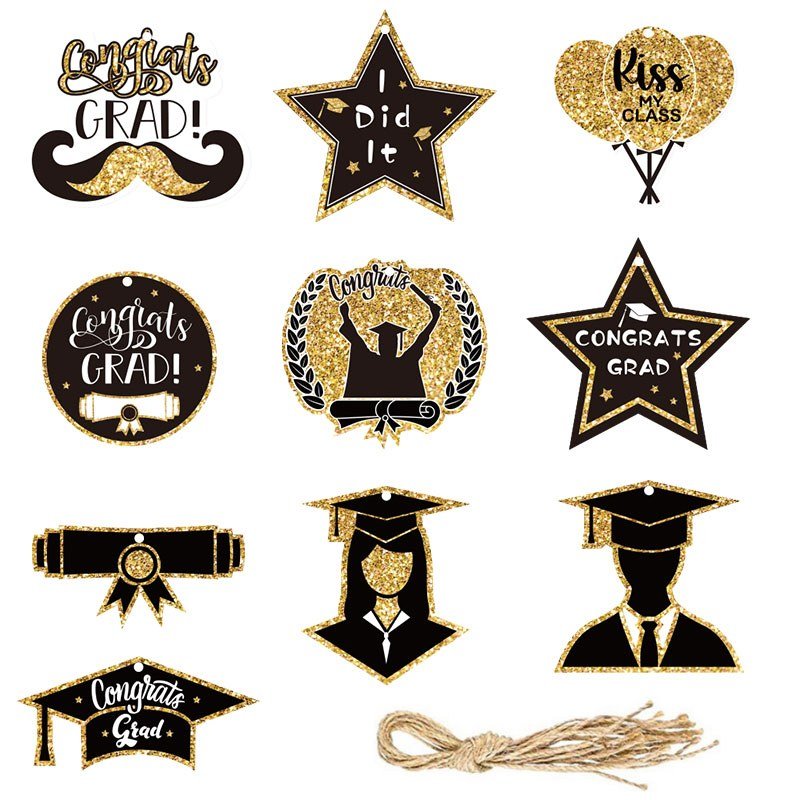
Graduation Hanging Decoration Set — Black & Gold, 10 Cards with Cords
SKU FS-050 sits in this range as option 1. Open the FS-050 product page.
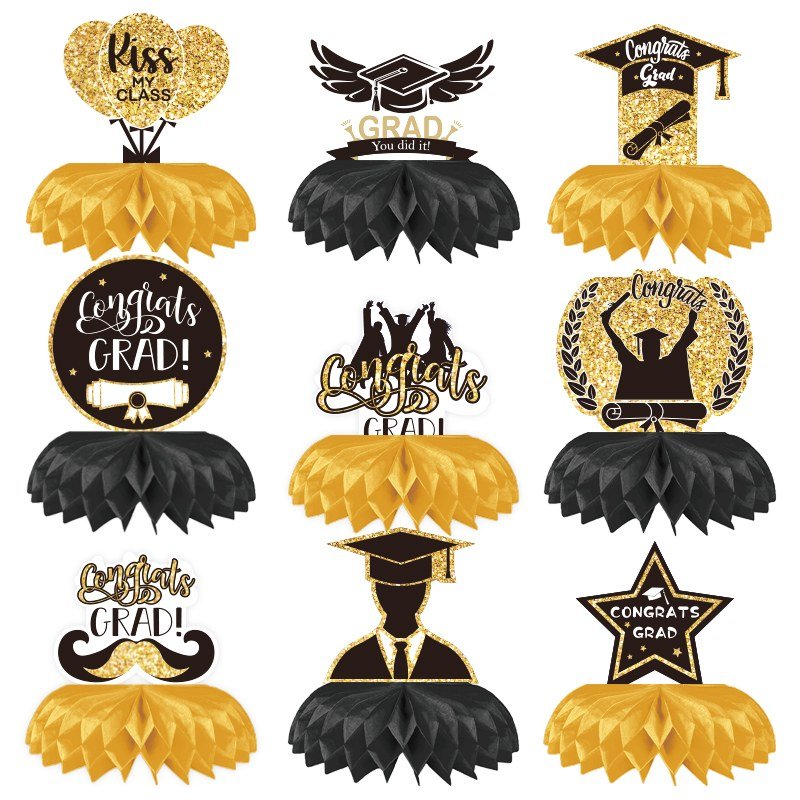
Graduation Honeycomb Table Decorations — Black & Gold Cap Design
The FS-056 page lists the specification sheet and the sample request route. Open the FS-056 product page.
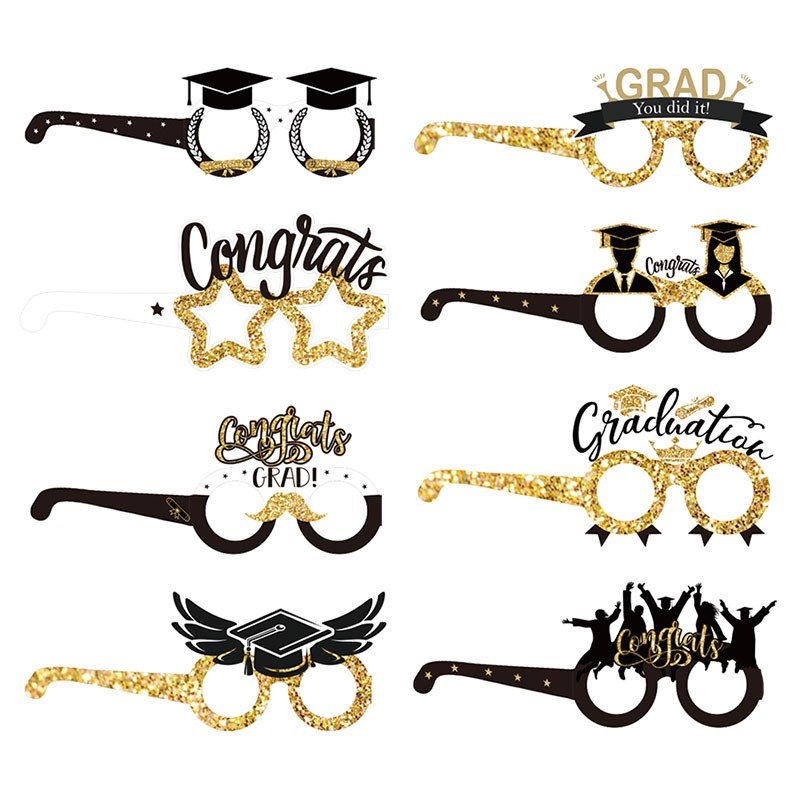
Graduation Photo Booth Glasses — 8-Piece Black & Gold Party Prop Set
Buyers comparing formats can review FS-058 alongside the other two options. Open the FS-058 product page.
Frequently Asked Questions About Graduation, Wedding and Summer Party Supplies
When should importers start sourcing graduation supplies?
I recommend starting graduation sourcing well before the event season because product selection, samples, production and freight all require time. Buyers should work backward from their required warehouse arrival date and prioritize graduation-specific products before longer-selling wedding or summer party ranges.
Which party supply colours work for both graduation and weddings?
Black and gold can work well for graduation, while gold, silver, champagne, ivory, white and clear materials can often extend into wedding décor. Buyers should confirm the exact colour, material and finish through samples because broad colour descriptions may not ensure matching components.
How can a distributor reduce seasonal overstock risk?
I recommend holding moderate quantities of event-specific products and deeper stock in versatile products that can serve multiple celebrations. Neutral tableware, generic balloons, metallic décor and simple gift accessories may have a longer selling window than date-specific or school-specific graduation products.
What should buyers confirm before placing a repeat order?
Buyers should confirm whether the supplier can reproduce the same material, colour, finish, dimensions, artwork and packaging. I also recommend asking about production timing, minimum reorder requirements, component availability and whether the original approved sample will be used as the reference.
Why are written product specifications important for party supplies?
Written specifications reduce misunderstandings between the buyer and supplier. I recommend documenting dimensions, materials, colours, finishes, print placement, packaging and inspection expectations. These details are especially important when products include coordinated sets, custom artwork or private-label packaging.
Conclusion
A successful spring and summer assortment depends on more than selecting attractive products. I recommend that buyers map each SKU to a primary event, build flexible colour stories and approve graduation items first. Graduation, wedding and summer party supplies become easier to manage when buyers separate event-specific products from cross-event ranges and plan for repeat production. If you are sourcing seasonal décor, tableware, gifts or party accessories for wholesale or private label, submit an RFQ at https://hkdayo.com/request-a-quote/ to begin a product and specification discussion.
Hi, I'm Danson. I work closely with our manufacturing partners to develop and deliver seasonal decorations, party supplies, and celebration products for international wholesale buyers. Here, I share practical product knowledge, customization insights, and manufacturing experience to help buyers build successful seasonal collections.
Have a wholesale project in mind? Let's talk!
Discuss Your Wholesale Project Request a Wholesale QuotePlanning a Wholesale Order from China?
Share your product requirements, quantities and destination. Let's discuss your wholesale requirements.