Easter Tableware Wholesale: A Spring Party Supplies Buying Guide

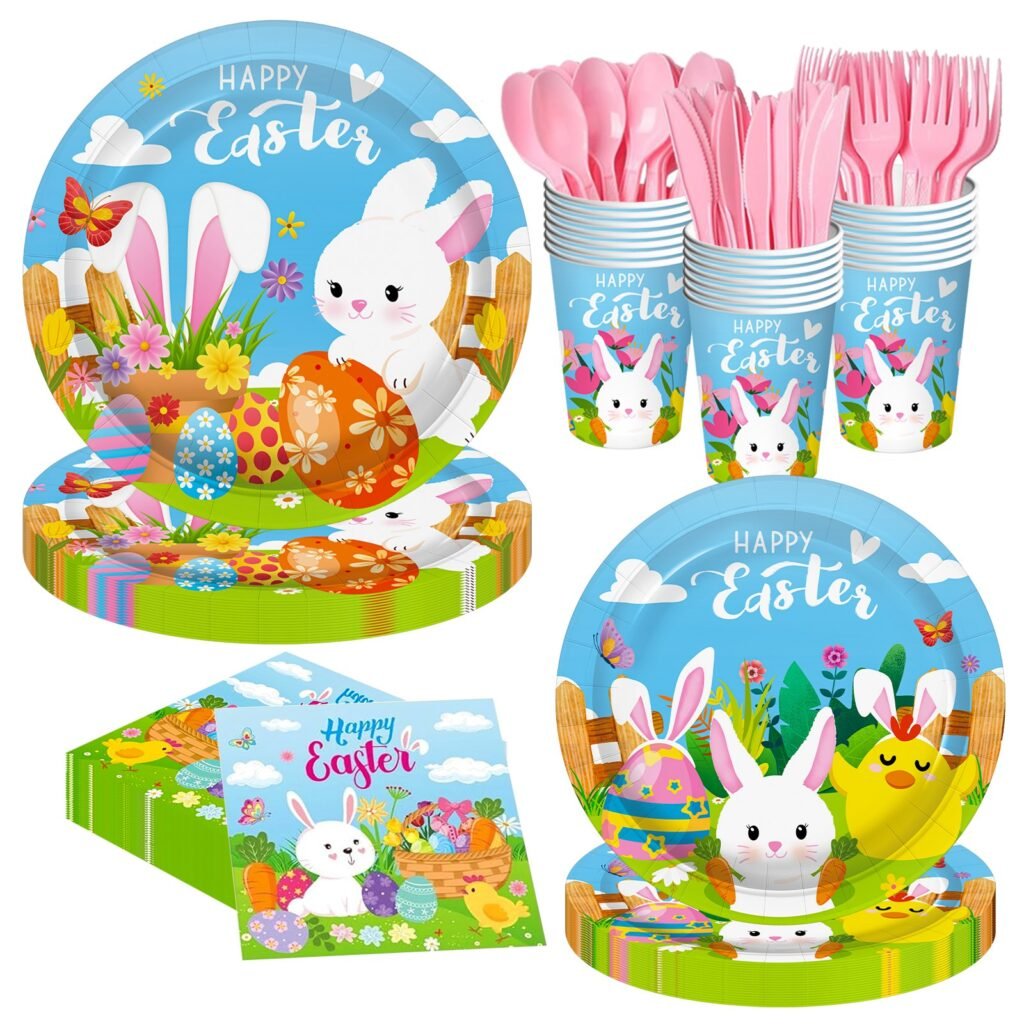
Easter tableware wholesale can be difficult to plan because Easter has a short, fixed selling window and buyers need products that look coordinated without creating unnecessary stock risk. A disconnected selection of plates, cups, and napkins can weaken shelf impact. A structured Easter program helps buyers build stronger collections, improve basket value, and simplify replenishment decisions.
Easter tableware wholesale works best when buyers source coordinated plates, cups, napkins, and supporting decorations as one themed retail program. Start with a small range of compatible formats, confirm material and food-contact documentation for each SKU, approve written specifications before production, and request quotations with quantities, destination, delivery window, and customisation needs.
Easter shoppers often buy for family meals, classroom celebrations, children’s parties, and seasonal gifting. That means the assortment must look appealing from a distance, work across several retail channels, and arrive in a format that is easy for stores and distribution centres to receive. The sections below break down the practical buying questions.
Quick Answer
- Build easter tableware wholesale as a coordinated program, not as isolated SKUs.
- Start with core formats: plates, cups, napkins, and one or two decorative add-ons.
- Use one visual story across the range: icon, colour palette, and finish should match.
- Treat MOQ, pricing, sample timing, and production timing as quotation-stage details.
- Ask for item-specific food-contact and compliance documentation for the destination market.
- Approve written specifications, not only artwork images or pre-production photos.
What Easter Tableware Covers: Plates, Cups, Napkins and Coordinated Sets
A narrow assortment can look incomplete, while too many similar formats can create slow-moving stock after Easter. Buyers need enough choice to support a party occasion, but not so much depth that the range becomes difficult to merchandise or replenish.
A practical easter tableware wholesale program usually includes paper plates, paper cups, napkins, and coordinated sets. Many buyers then add themed decorations to create a higher-value Easter party display. The strongest ranges use the same design language across each format.
Core tableware formats
| Product format | Typical retail role | Buying consideration |
|---|---|---|
| Paper plates | Main party-table item | Buyers should confirm board weight, coating, and intended food use |
| Paper cups | Completes place settings | Print alignment and seam quality matter |
| Napkins | Low-cost add-on purchase | Pack presentation and print clarity affect perceived value |
| Coordinated tableware set | Easy bundled solution | Confirm which pieces are included at quotation stage |
| Serving accessories | Supports a larger party occasion | Match design, finish, and packaging style |
A coordinated set can simplify range planning because it gives retailers an immediate merchandising story. For example, the easter bunny pastel party tableware set can be reviewed as a hero design direction for a pastel Easter collection. Published product details should still be reconfirmed during quotation, especially when a buyer requires private-label packaging, a different pack configuration, or market-specific documentation.
Why coordinated programs perform better
Easter is visual. Shoppers often decide quickly when they see a bunny, egg, chick, floral pattern, or pastel colour story presented consistently across a display. A buyer does not need every format in every design. In many cases, a smaller number of coordinated formats creates more shelf clarity than a deep selection of near-identical products.
- Icon: Bunny, egg, chick, carrot, floral, or mixed seasonal motifs.
- Palette: Pastel blue, mint, blush, lilac, butter yellow, or soft green.
- Finish: Matte surface, foil accent, scalloped edge, or decorative die-cut detail.
When those elements match across plates, cups, napkins, banners, and hanging décor, the collection reads as intentional. This can support cross-selling and make it easier for retail teams to build displays around a single Easter theme.
The Easter 2027 Buying Calendar: Research, Samples and Bulk Windows
Easter Sunday in 2027 falls on 28 March 2027, which makes the retail selling period earlier than in many years. Buyers who wait too long may have less flexibility around artwork review, sample approval, shipment planning, and destination-specific documentation.
For easter tableware wholesale, buyers should use estimated research and sample windows first, then move into projected bulk-order and shipping windows after supplier quotations, approvals, and logistics plans are confirmed. No calendar should be treated as a confirmed production or delivery commitment until the supplier and freight plan are agreed.
Estimated planning sequence for Easter 2027
| Stage | Suggested planning focus | Status of timing |
|---|---|---|
| Trend and range research | Review motifs, colours, retail price positioning, and format mix | Estimated |
| Supplier shortlisting | Compare product scope, customisation options, packaging capability, and documentation process | Estimated |
| Sample review | Check the actual proposed construction, print, coating, and pack presentation | Estimated |
| Artwork and specification approval | Lock approved files, dimensions, materials, pack count, and carton markings | Estimated |
| Bulk ordering and shipment planning | Confirm projected production and logistics schedule | Projected |
| Retail receiving | Match delivery planning to retailer or distributor receiving requirements | Projected |
Why internal approval time matters
Custom projects often appear to have a simple lead time, but the buyer’s own approval process is part of the critical path. Artwork may need comments from brand, merchandising, compliance, packaging, and procurement teams. Each revision can affect the proposed schedule.
- Artwork confirmation
- Colour review and tolerance agreement
- Print proof approval
- Plate, die, or tooling review where applicable
- Packaging artwork approval
- Carton marking confirmation
- Product specification sign-off
A buyer should not assume that an artwork file sent to a supplier is production-ready. Files may need technical adjustment for print method, bleed, safe area, die-cut position, foil placement, or packaging layout. A clear approval workflow reduces the risk of a seasonal product being delayed by avoidable revisions.
Sizing the Easter Assortment: Formats That Sell for Party Retail
Many buyers make the mistake of adding too many sizes within one design before confirming whether the collection has a strong retail role. Shelf space is limited, and Easter is not a year-round category. The first order should focus on useful formats rather than maximum SKU count.
For easter tableware wholesale, a balanced format mix often performs better than deep inventory in one item type. Buyers can begin with a coordinated selection of plates, cups, and napkins, then use decorations or display-friendly products to make the range feel larger.
Start with a retail-ready structure
- One main plate design
- One complementary plate or serving format, if relevant
- One cup design
- One napkin design
- One coordinated tableware set
- One or two lightweight decorations
- Optional gift, card, or lighting add-ons where the retail channel supports them
This approach gives buyers a coherent display without creating too many slow-moving variants. It also makes it easier to evaluate sell-through at the design-story level. If one pastel bunny theme performs well, a buyer can expand related formats in the next season.
Match the range to the channel
| Buyer type | Suitable range approach | Main commercial concern |
|---|---|---|
| Party store | Broad visual selection with coordinated add-ons | Display impact and impulse purchases |
| Discount chain | Focused core formats and clear value positioning | Pack consistency and replenishment simplicity |
| E-commerce brand | Photographable coordinated sets and themed bundles | Listing clarity and parcel-friendly packaging |
| Distributor | Flexible range across price points | Mixed customer demand and carton efficiency |
| Gift retailer | Decorative designs with premium touches | Seasonal gifting appeal and design differentiation |
A tableware range should also consider the expected shopper mission. A family meal may need plates, cups, and napkins. A classroom event may prioritise napkins, cups, and simple decorations. A party store display may benefit from a larger visual story using banners and hanging items.
Buyers can review broader party tableware programs when comparing format ideas, but every Easter program should still be built around the retailer’s target consumer, price architecture, and available shelf space.
Materials Buyers Ask About: Card Stock, Coatings and Food-Contact Questions
Paper tableware can look similar in product photos while performing differently in use. A plate that appears premium may not hold shape as expected with heavier food, while an attractive printed cup may need closer review of seam quality, coating, and intended use.
For easter tableware wholesale, buyers should request clear information about board weight, coating, print method, and intended food-contact use for the exact SKU. Generic product claims are not a substitute for documentation that applies to the actual item and destination market.
Board, coating, and product performance
Paper plates are generally specified using board weight and surface treatment. Heavier board can offer better rigidity, but the correct choice depends on the plate format, food type, and retail positioning. Coatings can affect grease resistance, moisture resistance, appearance, and handling.
| Specification area | Why buyers review it | Questions to ask |
|---|---|---|
| Board weight | Influences structure and feel | What board specification applies to this SKU? |
| Coating | Affects moisture and grease resistance | What coating is used, and what intended food use does it support? |
| Print method | Affects detail and colour consistency | Is litho printing, flexo printing, or another method proposed? |
| Foil detail | Adds decorative value | How should foil areas be protected during packing and transit? |
| Die-cut edge | Supports distinctive design | What tolerance applies to the cut shape and edge finish? |
Litho-printed designs may offer sharper registration for detailed artwork. Flexo printing may suit different production requirements. Foil accents can add perceived value, especially for premium Easter displays, but foil surfaces may require careful handling because they can be more sensitive to scuffing during transit.
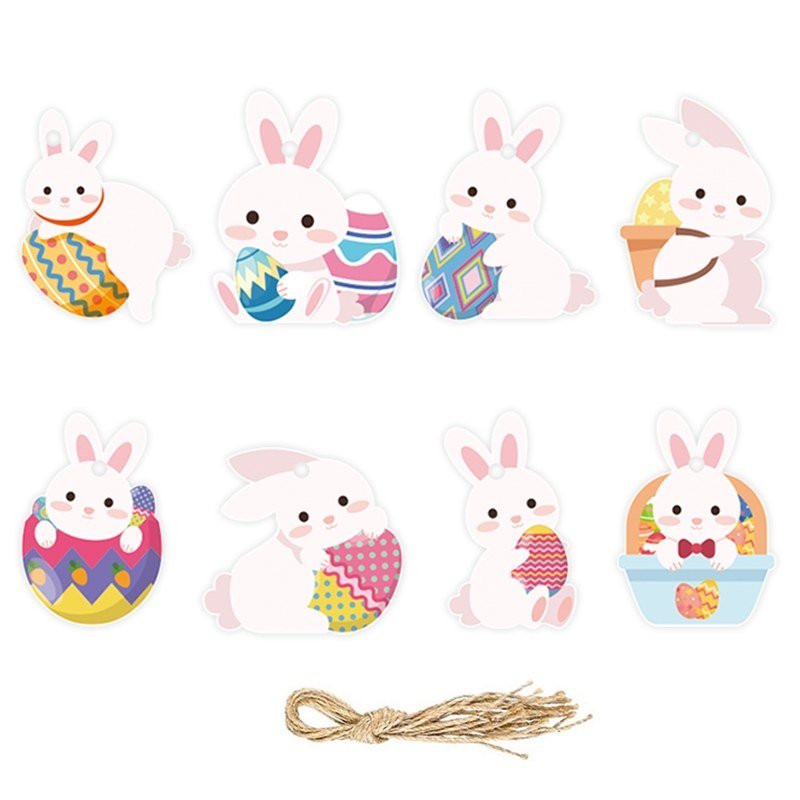
Food-contact and market documentation
Food-contact requirements vary by destination market and product use. Buyers should ask for the supplier’s documentation for the exact product, rather than relying on a generic statement that applies to another item, material, or country.
- Product SKU and final artwork
- Material and coating specification
- Destination market
- Intended food-contact use
- Any buyer-specific testing or documentation requirement
- Packaging and labelling expectations
Qualified compliance or customs advisers should review application-specific requirements. This is particularly important when products will be sold in multiple markets, bundled with other seasonal goods, or placed under a private label.
Building a Coordinated Easter Program: Tableware Plus Bunting, Hangings and Honeycomb
Tableware alone can create a functional party range, but decorations make the collection more visible in-store and more compelling online. The challenge is avoiding a mixed assortment that looks like several unrelated themes placed together.
A stronger easter tableware wholesale program uses matching decorations to extend the same design story across a party table, doorway, retail display, or seasonal promotion. Buyers should align motif, palette, finish, and packaging style across every related item.
Add-ons that create display impact
| Add-on product | Role in the program | Coordination point |
|---|---|---|
| Bunting banner | Creates horizontal visual impact | Match icon and pastel palette |
| Hanging decorations | Adds height to displays or parties | Use compatible shapes and print style |
| Honeycomb decorations | Adds volume and texture | Confirm protective packing method |
| Greeting cards | Supports gifting channels | Match the hero design story |
| LED string lights | Adds decorative appeal in selected channels | Consider packaging and battery-related requirements separately |
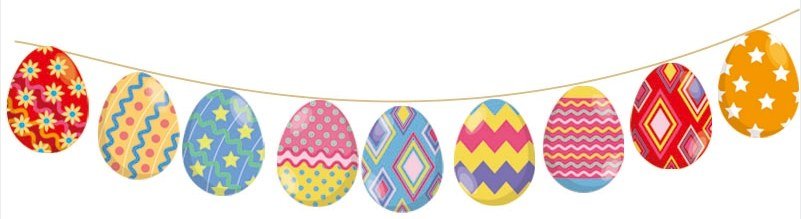
For example, buyers can pair a tableware theme with an easter egg bunting banner, easter bunny hanging decorations, or easter honeycomb decorations. These products can help retailers create a complete Easter party display rather than a shelf of standalone disposable tableware.
Build a visual hierarchy
- Hero product: A coordinated tableware set or standout plate design.
- Supporting products: Cups, napkins, serving items, and matching decorations.
- Impulse add-ons: Small décor pieces, cards, or giftable seasonal accessories.
The hero design should be easy to recognise at a glance. Supporting items should reinforce the same story rather than compete with it. If the main design uses pastel bunnies and painted eggs, a separate dark floral theme may reduce consistency unless it is intentionally presented as a second collection.
Buyers can browse the broader easter party supplies range for collection planning ideas. The final assortment should still be reviewed according to available shelf space, local customer preferences, price points, and the retailer’s receiving requirements.
Custom Print and Private Label for Easter: What Changes and What Does Not
Custom print can help a buyer create a distinctive Easter collection, but it also introduces more approval steps. A buyer who treats artwork, packaging, and specification approval as separate from lead time may underestimate the project schedule.
For easter tableware wholesale, private label commonly changes artwork and packaging more than base construction. Buyers should confirm exactly which elements remain standard and which elements are genuinely custom before comparing quotations.
What may be customised
- Surface artwork and colour palette
- Pattern placement
- Foil accents or decorative finishes
- Header card or retail packaging design
- Pack count presentation
- Brand logo placement
- Barcode area and retail information
- Outer-carton markings
- Mixed-SKU carton planning
Artwork control points
Custom artwork should be approved through a controlled, versioned process. Useful approval records include the final design reference, revision date, approved colour direction, product dimensions, print areas, pack configuration, and carton marking instructions.
A photo approval alone is not enough. Photos can help assess general appearance, but they may not show exact dimensions, board weight, coating coverage, pack count, or carton-level requirements. Written specifications protect both buyer and supplier by creating one shared production reference.
MOQ, Sample Rounds and Specification Approval Before You Commit
MOQ discussions can become confusing when buyers compare tableware, decorations, private-label packaging, and several print finishes in the same request. A low MOQ on one stock-style item does not automatically apply to a custom printed range.
For easter tableware wholesale, MOQ is usually confirmed per SKU and per decoration method at quotation stage. Buyers should request samples based on the actual proposed construction and artwork direction whenever possible, rather than making decisions from unrelated stock samples.
What a useful sample round should confirm
- Plate rigidity and overall shape
- Cup seam appearance and print placement
- Napkin print clarity and fold presentation
- Colour consistency across related items
- Foil placement and scuff sensitivity
- Die-cut quality for shaped products
- Pack count and retail-pack presentation
- Outer-carton marking requirements
- Compatibility between tableware and decorations
If a buyer intends to place a custom order, the sample should reflect the proposed production specification as closely as practical. A generic paper plate sample may show general workmanship, but it cannot confirm a final board, coating, print method, design placement, or pack format.
Use a written specification sheet
| Approval item | Why it matters |
|---|---|
| Product name and SKU | Prevents confusion across similar designs |
| Design reference and revision | Ensures the correct artwork enters production |
| Dimensions | Confirms size and die-cut expectations |
| Material and board weight | Defines the base product construction |
| Coating | Clarifies intended surface performance |
| Print and finish | Defines colour, foil, and registration expectations |
| Pack configuration | Prevents retail packing errors |
| Carton markings | Supports warehouse receiving and distribution |
Buyers should keep the approved version accessible to procurement, quality control, logistics, and retail teams. This is particularly useful when multiple Easter party supplies bulk items are consolidated into one shipment.
Quality Control and Compliance Checks for Seasonal Paper Tableware
Seasonal products leave little room for late discovery of quality issues. A print mismatch, damaged carton, or pack-count error can disrupt a whole Easter display program, even if the underlying product is usable.
For easter tableware wholesale, inspection should focus on visible presentation, specification consistency, pack accuracy, and shipping condition. Compliance review should be specific to the product, intended use, and destination market rather than based on broad generic claims.
Practical inspection points
- Print registration and artwork placement
- Colour consistency across the production run
- Plate shape and die-cut accuracy
- Coating coverage and visible surface defects
- Cup seam condition and overall form
- Foil placement, adhesion appearance, and scuffing risk
- Napkin fold quality and print alignment
- Correct pack count
- Retail package condition
- Carton strength, markings, and damage risk
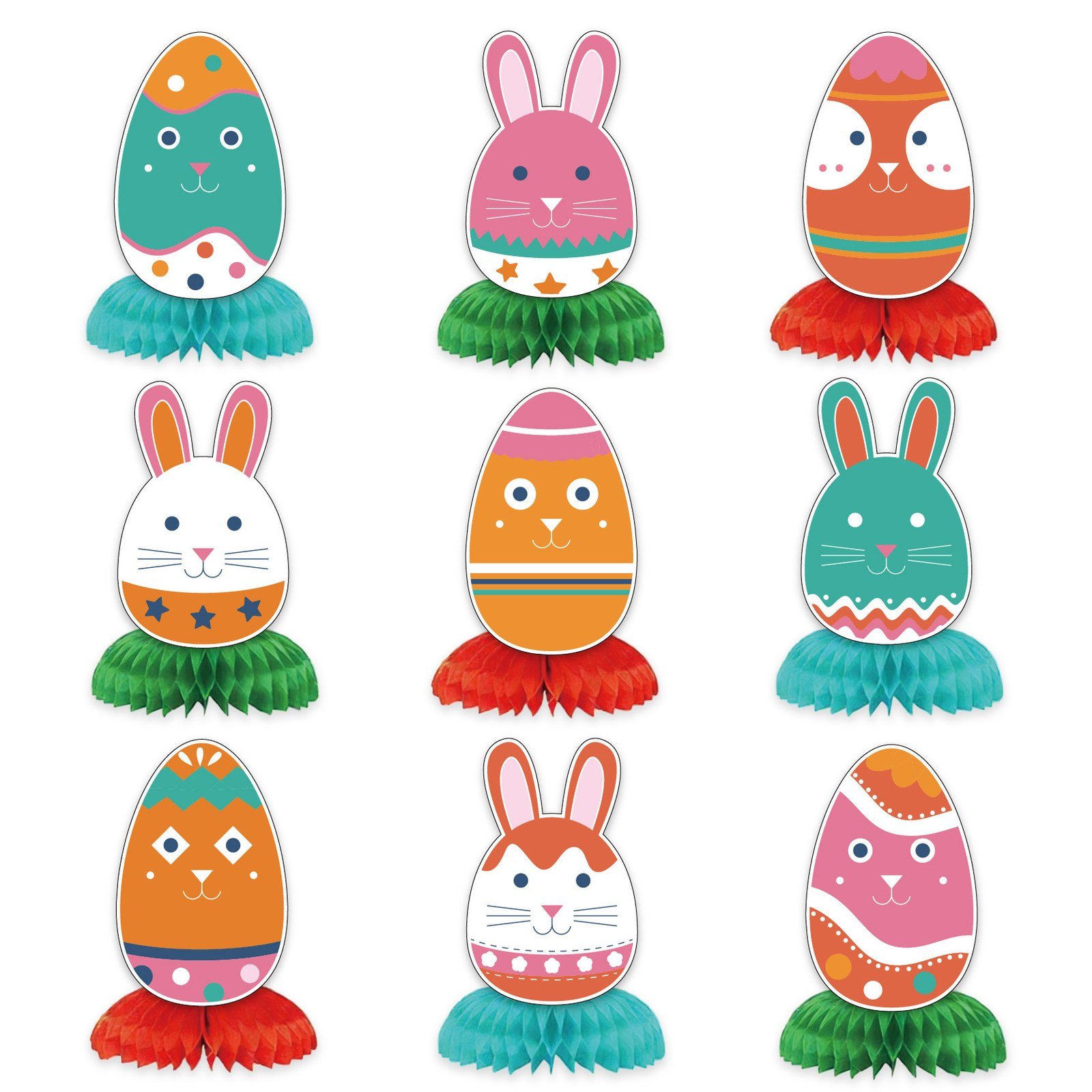
The inspection approach should reflect the product mix. Honeycomb decorations may need special review for folding and shape recovery. Hanging decorations may need checks for string, attachment points, or component count. Tableware products may require closer focus on board, coating, print, and pack configuration.
Compliance should be item-specific
Buyers should confirm relevant requirements with their compliance team, customs adviser, or qualified external professional for the intended market. Requirements can vary based on where the product is sold, how it contacts food, how it is labelled, and whether it includes non-paper components.
Consolidating the Easter Order and Requesting a Quotation
Mixed Easter orders can reduce freight complexity, but they also create packing challenges. Paper tableware, lightweight decorations, cards, and bulky honeycomb items may need different protection inside the same shipment.
For easter tableware wholesale, buyers should request carton-level packing information and plan consolidation by destination, carton family, and product protection needs. A clear quotation request allows the supplier to respond with applicable MOQ, pricing, sample options, and projected lead-time information in one pass.
Consolidation points to discuss
A mixed order may include plates, cups, napkins, banners, hanging décor, and other Easter items. Buyers should ask how the shipment will be packed so lighter decorative products are not crushed by heavier tableware cartons.
- Which SKUs can be packed in the same master carton?
- Which products need separate protective packing?
- Will decorations be protected from heavier cartons?
- Can carton markings show SKU, quantity, and destination information?
- Can the packing list match each individual carton’s contents?
- Are mixed-SKU cartons clearly identified for receiving teams?
- What carton dimensions and gross weights will apply after order confirmation?
Send a complete quotation request
- Product SKU or design reference
- Required quantity per SKU
- Destination country or port
- Required delivery window
- Required customisation
- Private-label packaging needs
- Documentation or compliance questions
- Sample requirements
- Carton marking or retailer receiving rules
- Whether consolidation with decorations is needed
Buyers who want to compare a hero tableware range with coordinated add-ons can send their details through the request a quote page. MOQ, price, sample availability, production timing, and shipment planning should be confirmed against the final product mix and destination.
What should an Easter tableware wholesale starter range include?
A starter range usually includes plates, cups, napkins, and one coordinated set or hero design. Buyers can then add one or two decorations, such as bunting or hanging items. This provides a complete retail story without creating too many seasonal SKUs in the first order.
How should buyers compare wholesale Easter plates from different suppliers?
Buyers should compare the full specification, not only appearance. Review board weight, coating, print method, pack configuration, carton details, food-contact documentation, and the proposed quality-control process. A lower quoted price may reflect a different product construction or packaging format.
Can private label be added to Easter napkins cups bulk orders?
Private label may be possible depending on the product and quotation. It often affects artwork and packaging rather than the base construction. Buyers should clarify which parts are standard, which are custom, and what approvals are required before production planning begins.
Why is a written specification more important than a product photo?
A product photo can show general appearance, but it cannot reliably confirm board weight, coating, dimensions, pack count, carton markings, or acceptable colour tolerance. A written, version-controlled specification gives the buyer and supplier a clearer production reference.
How should buyers plan mixed Easter party supplies bulk shipments?
Buyers should ask for consolidation planning by carton family and product protection needs. Heavier tableware should not damage lightweight decorations. A carton-level packing list and clear carton markings can improve warehouse receiving, stock allocation, and retailer distribution.
A successful easter tableware wholesale program depends on more than attractive bunny or egg artwork. Buyers should build a coordinated range of plates, cups, napkins, and decorations; verify item-specific material and food-contact documentation; approve written specifications; and plan consolidation carefully. For Easter 2027, early estimated research and sample review can support stronger projected ordering and shipping decisions. Send HKDayo your SKU interest, quantities, destination, delivery window, and customisation needs to request a practical quotation for your Easter collection.
Hi, I'm Danson. I work closely with our manufacturing partners to develop and deliver seasonal decorations, party supplies, and celebration products for international wholesale buyers. Here, I share practical product knowledge, customization insights, and manufacturing experience to help buyers build successful seasonal collections.
Have a wholesale project in mind? Let's talk!
Discuss Your Wholesale Project Request a Wholesale QuotePlanning a Wholesale Order from China?
Share your product requirements, quantities and destination. Let's discuss your wholesale requirements.