First Birthday Party Supplies Wholesale: Sourcing Guide for Baby Retail

First birthday party supplies wholesale sourcing can be difficult because baby milestone products do not sell like standard birthday ranges. Parents want photo-ready themes, gift buyers want simple coordinated options, and retailers need dependable quality without excessive SKU risk. I recommend building a focused, compliant, visually consistent assortment around proven milestone-led designs.
First birthday party supplies wholesale should focus on a small number of photographable, milestone-themed collections with coordinated tableware, décor, and giftable accessories. I recommend neutral, pastel, and clearly branded “one” themes, while buyers should verify food-contact suitability, warnings, packaging labels, MOQ, samples, and any character licensing documentation before placing a production order.
The strongest first-birthday ranges make the buying decision easy for parents. Instead of asking shoppers to assemble a party one item at a time, I would offer cohesive sets that work for a cake table, highchair photo, family gathering, and social-media moment.
Quick Answer: How Should Buyers Source First Birthday Party Supplies Wholesale?
First birthday party supplies wholesale buyers should source focused, coordinated ranges rather than broad general-party assortments. I recommend selecting a few strong themes, confirming material and packaging information in writing, reviewing pre-production samples, and matching MOQ to expected seasonal demand and retail channel capacity.
For importers and distributors, the key is not simply finding more products. The real challenge is choosing ranges that parents understand immediately and retailers can merchandise without explaining every item.
Start With the Shopper’s Mission
A parent shopping for a first birthday often has a short, emotionally driven checklist:
- A theme that looks good in photos
- Matching plates, cups, napkins, and decorations
- A clear “One” or first-birthday message
- Easy options for a small home party
- Products that feel suitable around babies and young children
- A giftable item or finishing touch, such as a banner, crown, cake topper, or photo prop
I would treat these products as a milestone range, not merely as another birthday collection. This distinction affects theme direction, packaging, assortment depth, and the order in which products should appear in a catalogue or retail display.
Before I request a quote, I would prepare a practical sourcing brief that includes:
- Target retail channel: independent baby store, party retailer, supermarket, online marketplace, or gift shop.
- Core themes: for example, Sweet One, Wild One, neutral baby, or an authorised character concept.
- Required product groups: tableware, balloons, banners, cake accessories, highchair décor, and party bags.
- Material expectations: paper, paperboard, plastic-free alternatives, reusable textile elements, or other specified materials.
- Market requirements: language, warning statements, labelling format, and applicable product rules for the intended destination.
- Commercial parameters: target MOQ, sample requirement, delivery window, carton marking, and private-label needs.
This approach helps buyers compare supplier responses on a like-for-like basis. It also reduces the risk of approving attractive designs that cannot support a commercially sensible range.
Why First Birthday Party Supplies Wholesale Ranges Differ From General Birthday?
General birthday products can serve many ages and occasions, but first birthday party supplies wholesale ranges are built around a specific milestone. I see buyers lose focus when they apply general party logic to baby retail. A generic “Happy Birthday” assortment may look acceptable, but it often lacks the emotional and visual cues parents expect.
First birthday ranges differ because parents and gift buyers usually shop for a memorable milestone rather than a large event. I recommend designs that communicate “first birthday” at a glance, coordinate across several products, and support photographs, cake-table styling, and simple at-home celebrations.
Milestone Messaging Has More Commercial Value
A first birthday is a one-time purchase occasion. Parents often want products that make the milestone obvious in photographs. That means messaging such as “One,” “First Birthday,” “Sweet One,” or “Wild One” is not a minor graphic detail. It is the central selling proposition.
I would avoid treating “1” as only another age number in a general age-based range. A standard number-one candle or foil balloon can still be useful, but it rarely creates the same retail impact as a complete first-birthday collection.
Coordinated Buying Replaces Item-by-Item Buying
For an adult birthday, shoppers may mix colors, buy a few balloons, and add standard tableware. First-birthday shoppers more often want a finished look. They may purchase plates, cups, napkins, a banner, a cake topper, and highchair décor within the same visual theme.
This creates an opportunity for buyers to build ranges around cross-selling, but it also creates a risk. If every theme includes too many low-turning SKUs, stock can become fragmented after the season.
I recommend prioritising products that visibly connect with each other:
- Dessert plates and beverage napkins with matching artwork
- Large party plates for family food service
- Paper cups coordinated with tableware
- A milestone banner or backdrop element
- Cake-top or cake-table accessories
- Highchair decorations or photo props where appropriate
- Gift bags or favor packaging for family guests
Photography Drives Product Selection
A first birthday celebration often includes a cake smash, highchair portrait, family photo, or social-media post. I would therefore evaluate designs from a camera perspective, not only from a flat catalogue image.
Ask practical questions during sample review:
- Does the printed message remain readable in photos?
- Do pale colors retain enough contrast under indoor lighting?
- Does metallic detailing create glare?
- Does the pattern work across plates, napkins, and large-format banners?
- Does the design look balanced when only a few items are used?
I have found that a simple, well-coordinated range can look more premium in a retail setting than a crowded assortment with many unrelated novelty products. For first birthday party supplies wholesale, clarity usually supports sell-through better than complexity.
Theme Direction: Sweet One, Neutral Baby and Character Sets?
Theme selection can quickly become too broad. Buyers may feel pressure to cover every possible color, animal, and style, but too many weak concepts create inventory risk. I recommend beginning with a limited theme architecture that gives retailers clear choices without duplicating the same shopper need.
The most practical first-birthday themes are Sweet One, neutral baby, and carefully managed character-led sets. I would use soft, photo-friendly palettes and distinct visual stories, while treating character artwork as a licensing matter that requires written authorisation and document review.
Sweet One Themes
“Sweet One” is a flexible first-birthday direction because it can work with cakes, ice cream, strawberries, cherries, bows, pastel colors, or confectionery-inspired illustrations. The concept is milestone-led and easy for consumers to understand.
I would assess Sweet One designs for their ability to feel celebratory without becoming too narrowly seasonal. A soft pink or pastel dessert theme may suit certain retail channels, while a more neutral palette can broaden the appeal.
Useful range examples include:
- “Sweet One” paper plates and napkins
- Matching paper cups
- Cake toppers and cupcake picks
- Highchair banners
- Photo backdrops or hanging decorations
- Gift bags or favor bags
Neutral Baby Themes
Neutral baby designs can offer strong commercial flexibility. Themes based on soft animals, clouds, stars, gingham, natural tones, or simple typography may appeal to shoppers who do not want highly gender-coded colors.
I would not confuse neutral with plain. A neutral theme still needs a recognisable visual identity. The range should have enough contrast, texture, and messaging to stand out in product photography and on a shelf.
Neutral designs can also support a broader mix of retailers, including:
- Baby boutiques
- Gift shops
- Home décor retailers with children’s ranges
- Online private-label stores
- General party retailers seeking calmer visual options
Character Sets Need Licensing Discipline
Character-themed party products can attract attention, but they carry a different sourcing risk. I would never assume that a familiar character, logo, illustration style, or branded phrase is available for production simply because it appears in a marketplace listing or sample image.
Buyers should request and verify appropriate written evidence of authorisation for any licensed artwork. A supplier’s statement alone may not be sufficient for a buyer’s legal, marketplace, or brand-protection requirements.
I recommend that buyers obtain qualified legal or compliance guidance for licensing questions in their destination markets.
When no verified licence is available, I would choose original artwork with a clear style brief rather than a lookalike concept. Original themes can still be commercially strong when they have a clear milestone message and consistent visual system.
Safety, Material and Age-Appropriateness Checks?
Parents may place first-birthday products near food, candles, babies, and young children. That creates higher scrutiny than many general party purchases. I recommend that buyers treat materials, warnings, and packaging information as procurement requirements, not as details to address after designs are approved.
For first birthday party supplies wholesale, buyers should confirm food-contact suitability where relevant, review small-part and age-related risks, and obtain packaging and labelling details in writing. I would also inspect samples and involve qualified professionals when product classification or local requirements are unclear.
Separate Food-Contact Items From Decorative Items
A plate, cup, straw, cake topper, banner, balloon, and crown do not present the same use conditions. I would create a product-by-product review list rather than applying one generic safety statement across an entire collection.
For example:
- Paper plates and cups may need review for their intended food-contact use, print area, coatings, and material declarations.
- Cake toppers may require attention because they can contact food or be placed close to food.
- Balloons may need age-related warnings and packaging instructions based on the destination market.
- Small decorative pieces can present small-part concerns if they are accessible to young children.
- Highchair décor should be reviewed for attachment method, loose components, cords, and intended use instructions.
I would ask the supplier to state the intended use of each item clearly. A decorative item should not be marketed or packaged in a way that suggests safe play if it was not designed for that purpose.
Request Documents, Then Verify Their Relevance
Documents can support a buying decision, but documents should be checked for relevance. I recommend reviewing whether the document matches the actual product, material, factory, destination market, and current production version.
My supplier checklist would include requests for:
- Material specifications or declarations
- Product dimensions and component lists
- Packaging artwork and warning language
- Food-contact information for applicable items
- Test reports or certifications, where available and relevant
- Product photos linked to the sample or production version
- Batch, carton, or traceability information where required by the buyer’s process
I would not treat any certificate or test report as universal proof of compliance. Requirements vary by product type and destination. A qualified compliance professional can help determine which evaluations, warnings, testing, or records are appropriate for a specific product and market.
Sample Review Should Include Packaging
Many buyers inspect the product but overlook the retail pack. For baby retail, packaging can influence both consumer confidence and operational risk.
I would review:
- Warning placement: Is it visible and translated as required?
- Age grading: Does it match the product’s intended use and risk profile?
- Small components: Are loose pieces secured appropriately?
- Retail readability: Can shoppers quickly identify the first-birthday theme and contents?
- Carton protection: Will plates, printed surfaces, and decorative items arrive in sellable condition?
For HKDayo-style seasonal sourcing, I would also make sure that sample approval, packaging approval, and final product specifications are controlled as separate steps. A design approval alone does not confirm that production materials, warnings, or packing details are correct.
Assortment Depth for Baby Retail?
A wide assortment can look impressive in a sourcing catalogue, but it can be inefficient for baby retail. Buyers often face limited shelf space, short selling windows, and uncertain demand across many micro-themes. I recommend depth within a few clear collections rather than shallow inventory across too many similar designs.
The best first birthday party supplies wholesale assortment usually has a limited number of strong themes with enough coordinated products to create a complete purchase. I would begin with core tableware and a small number of high-visibility decorations, then expand only after sample review and demand validation.
Build Around Core, Add-On, and Test SKUs
I find that assortment planning becomes easier when products are grouped by their role in the shopper journey.
| Assortment role | Range examples | Buyer purpose | Inventory approach |
|---|---|---|---|
| Core SKUs | Plates, cups, napkins, banner | Creates the essential coordinated party set | Carry across each selected theme |
| Add-on SKUs | Cake toppers, candles, highchair décor, hanging decorations | Increases basket value and visual impact | Select only the most theme-relevant options |
| Test SKUs | Photo props, specialty accessories, favor items | Measures interest in new concepts | Start with controlled quantities and review results |
The goal is not to replicate every product in every theme. A neutral baby range may need broad tableware support, while a Sweet One collection may benefit more from cake-table accessories. Each theme should have a reason for every SKU.
Avoid False Choice
Too many near-identical options can confuse both retailers and consumers. For example, five pastel animal collections with similar plates and napkins may compete with each other instead of creating incremental demand.
I would create separation between themes through:
- Color direction
- Typography
- Hero illustration
- Milestone wording
- Occasion styling
- Product emphasis
A Sweet One theme might focus on cake and dessert styling. A neutral baby theme might focus on soft animals and family photography. A Wild One concept might use safari or woodland elements. Each can occupy a distinct retail role without requiring dozens of designs.
Confirm MOQ and Sampling Before Range Commitment
MOQ can shape the assortment more than creative preference does. I recommend confirming MOQ by SKU, print design, material, packaging format, and any private-label requirement before finalising the range plan.
Important RFQ questions include:
- Is MOQ calculated per SKU, per design, or per mixed assortment?
- Can related designs share print runs or packaging components?
- What is the sample process for customised artwork?
- Which items need separate moulds, tooling, or artwork setup?
- Can retail packaging be customised?
- What approvals are needed before bulk production?
- How will product and packaging changes be documented?
For seasonal buying, timing matters as much as range selection. Importers and distributors typically need enough time for artwork development, sample review, production planning, quality checks, freight booking, and inbound receiving before the relevant retail period. I would start the sourcing conversation early rather than treating first-birthday party products as last-minute filler stock.
Product Options in This Range
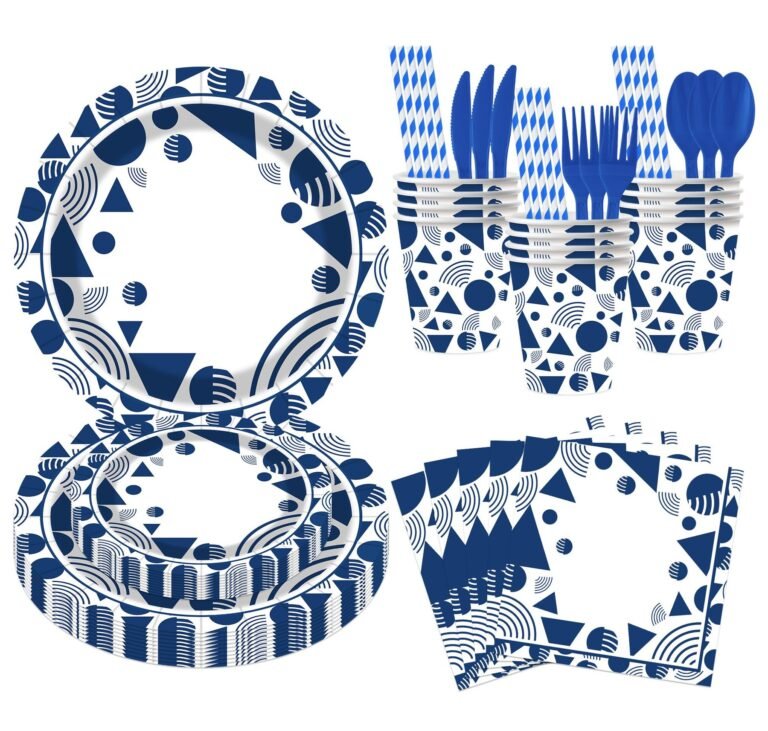
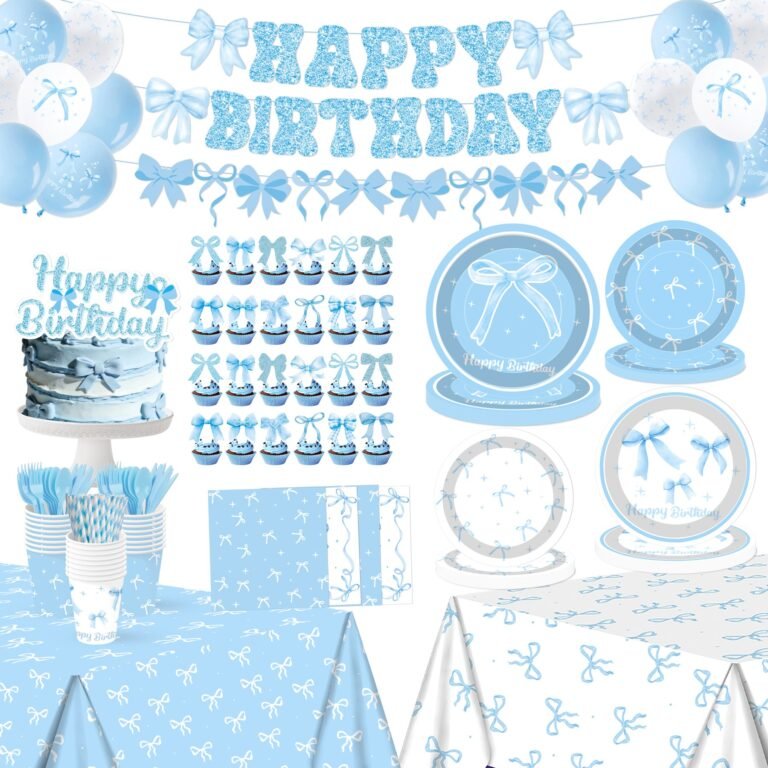
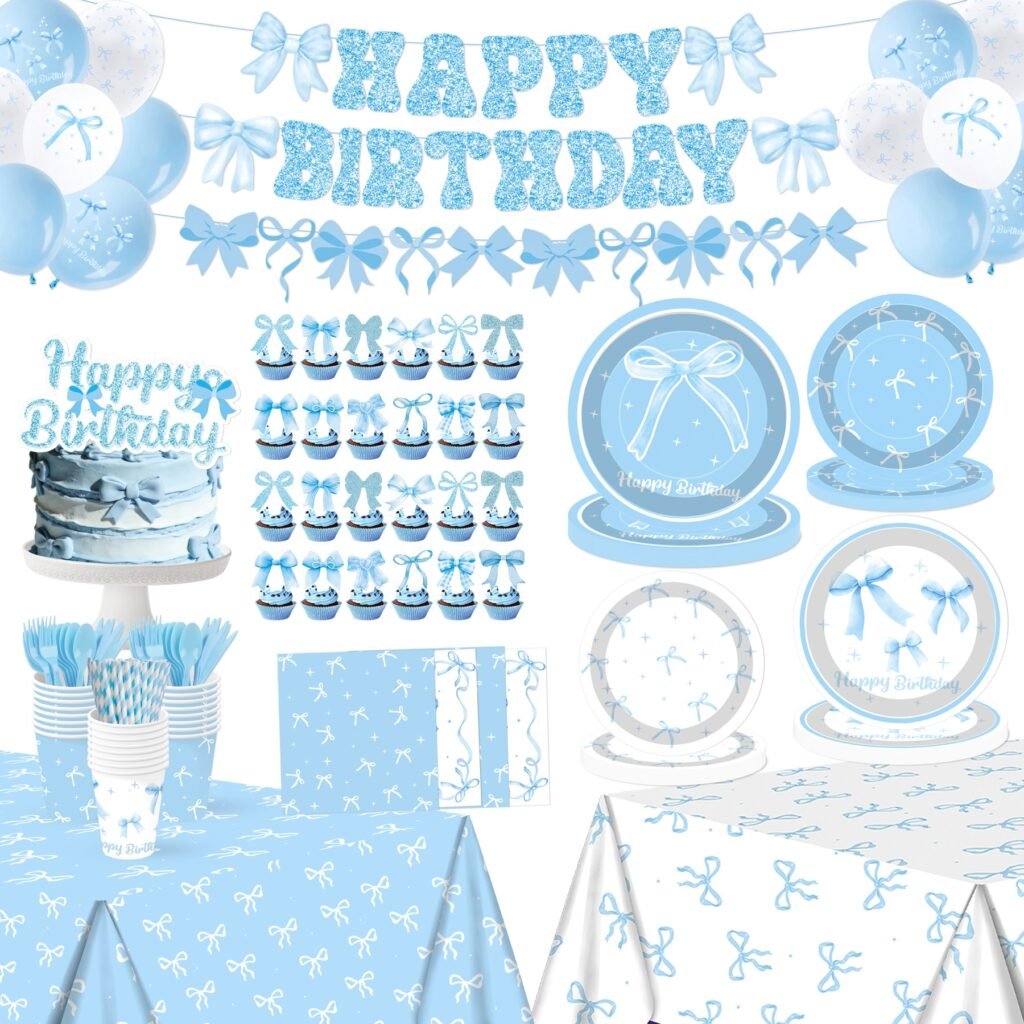
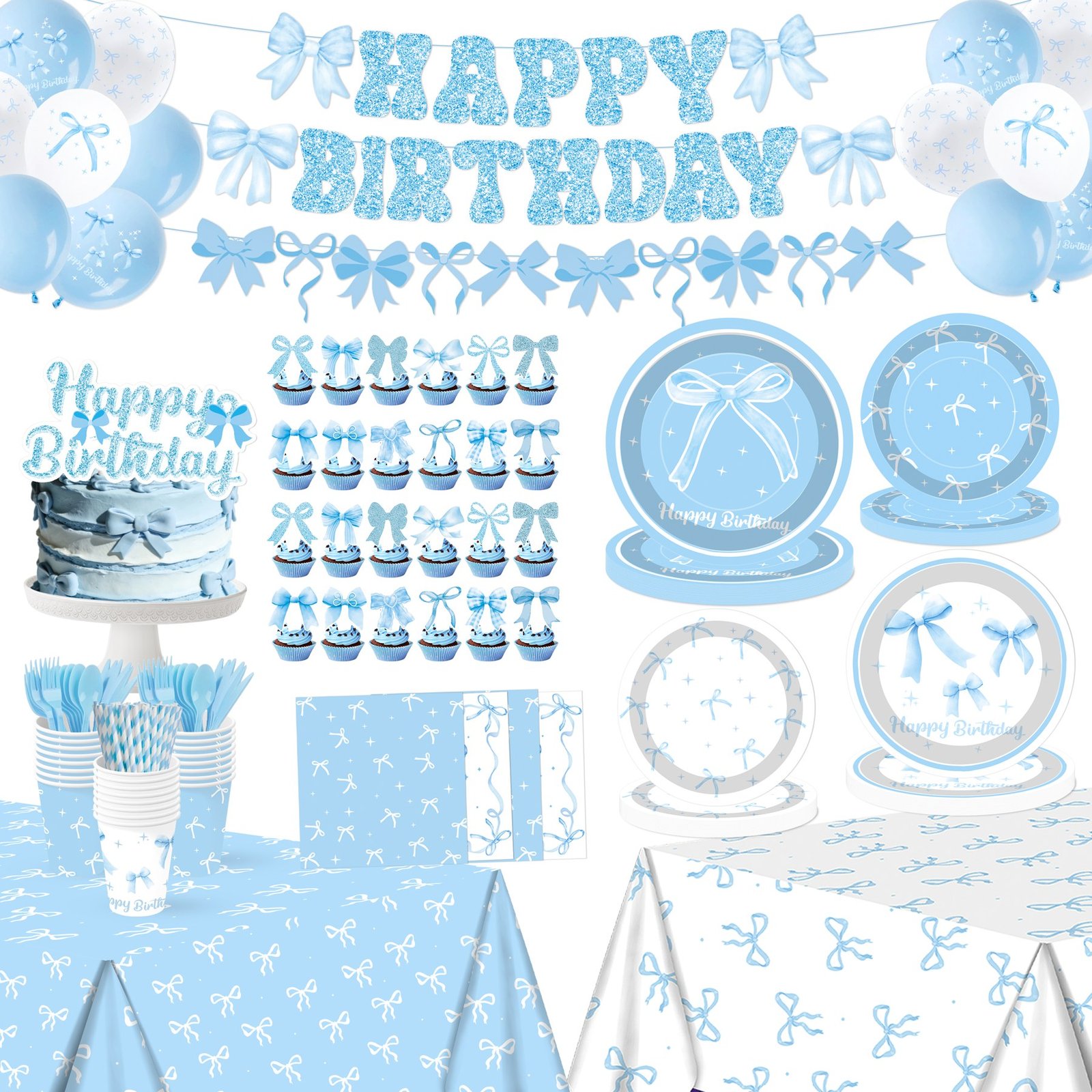
Baby Blue Bow Boy Baby Shower & 1st Birthday Party Tableware Set
SKU PT-015 sits in this range as option 1. Open the PT-015 product page.
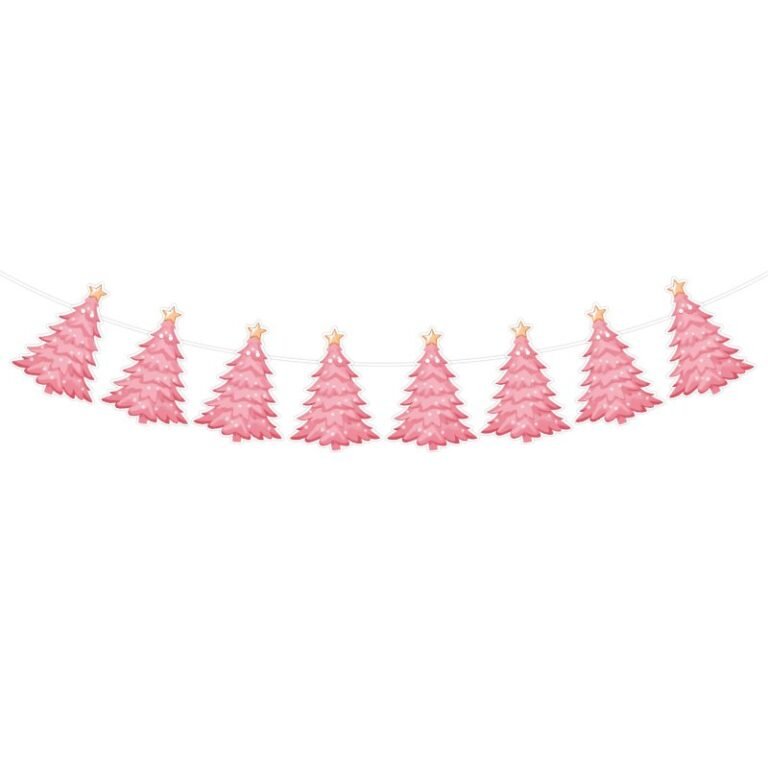
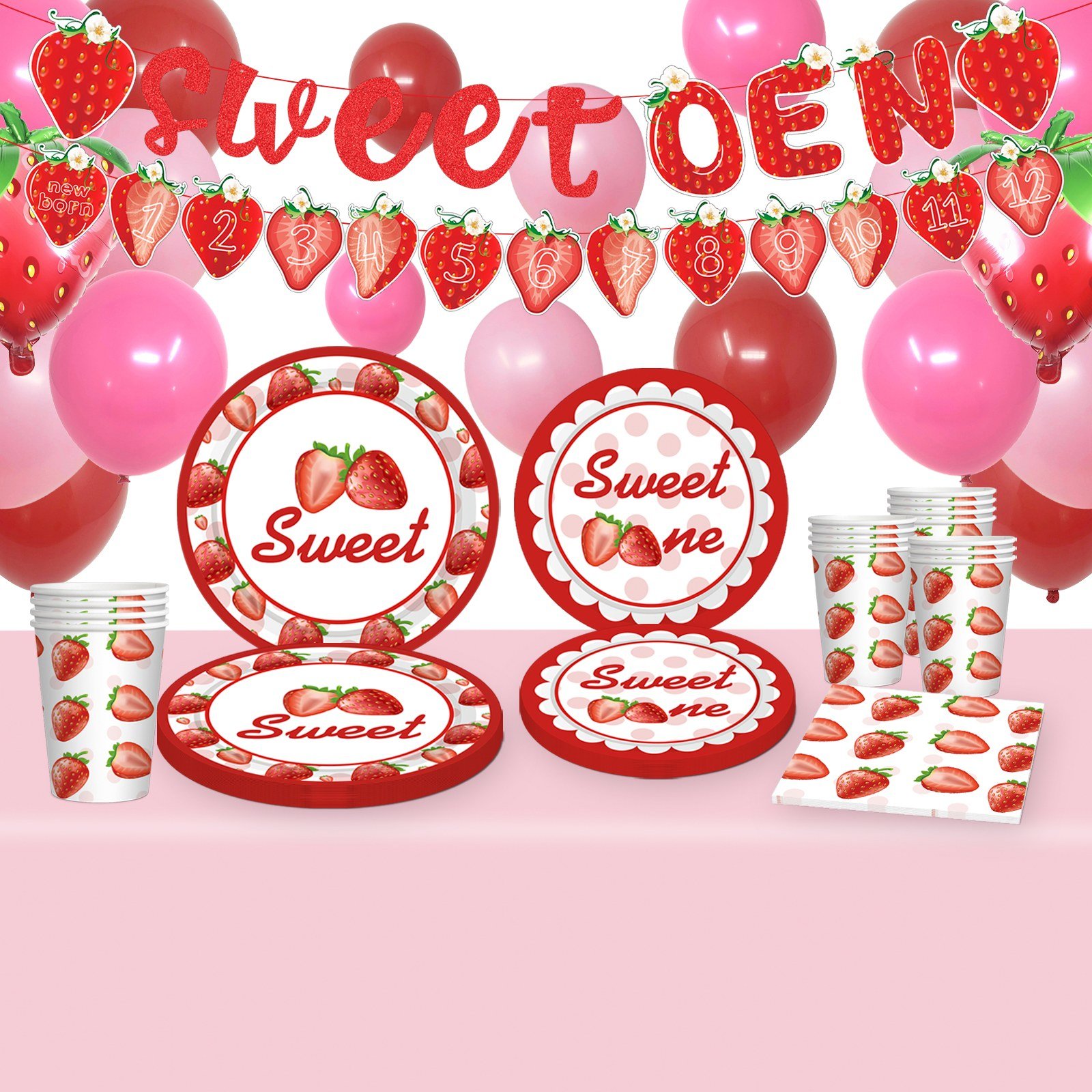
Sweet One Strawberry 1st Birthday Party Tableware Set — Girls Pink Dessert Theme
The PT-016 page lists the specification sheet and the sample request route. Open the PT-016 product page.
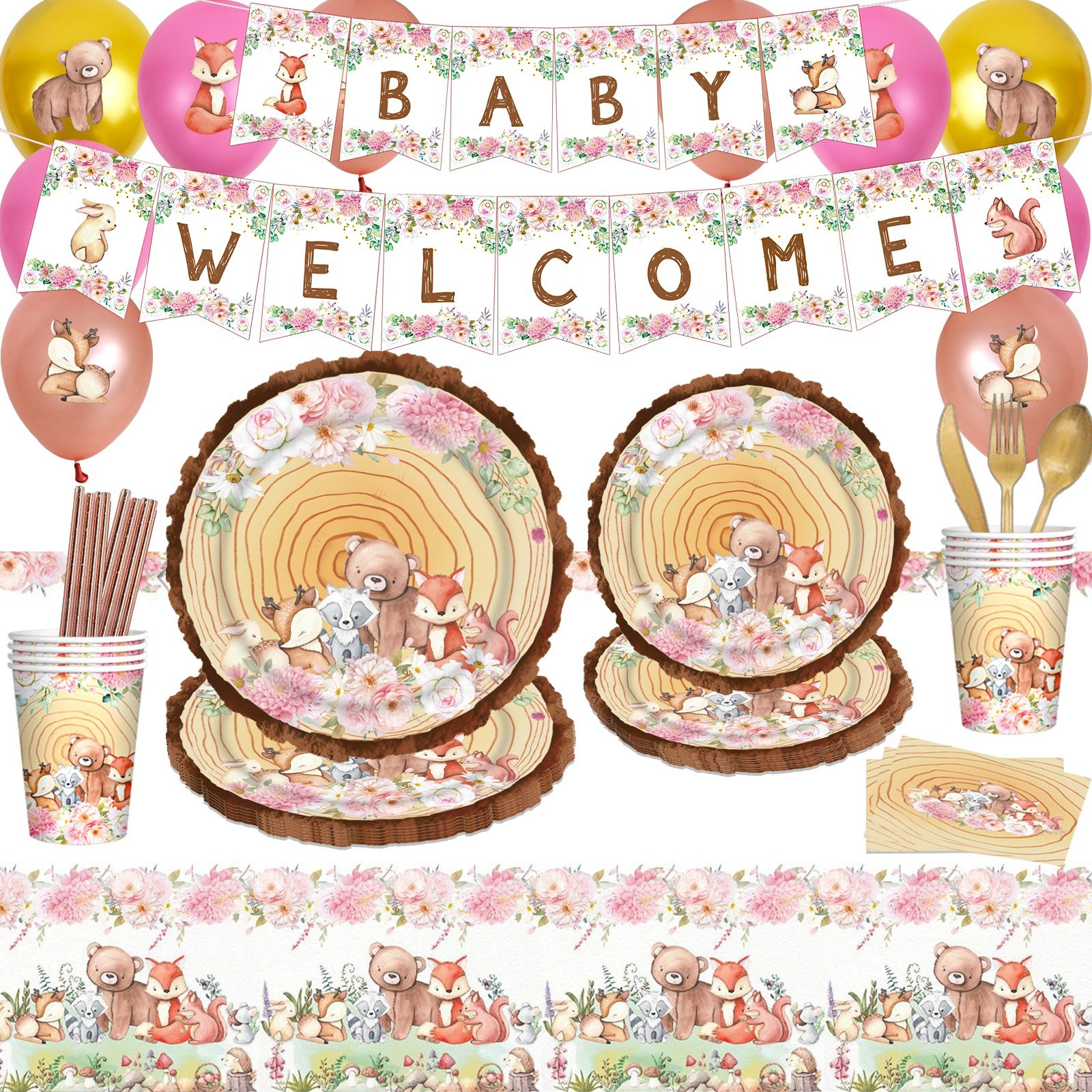
Baby Welcome Baby Shower Tableware Set — Neutral Boho Dinnerware
Buyers comparing formats can review PT-026 alongside the other two options. Open the PT-026 product page.
Dreamy Mermaid Tail Birthday Tableware Set — 96 Pieces
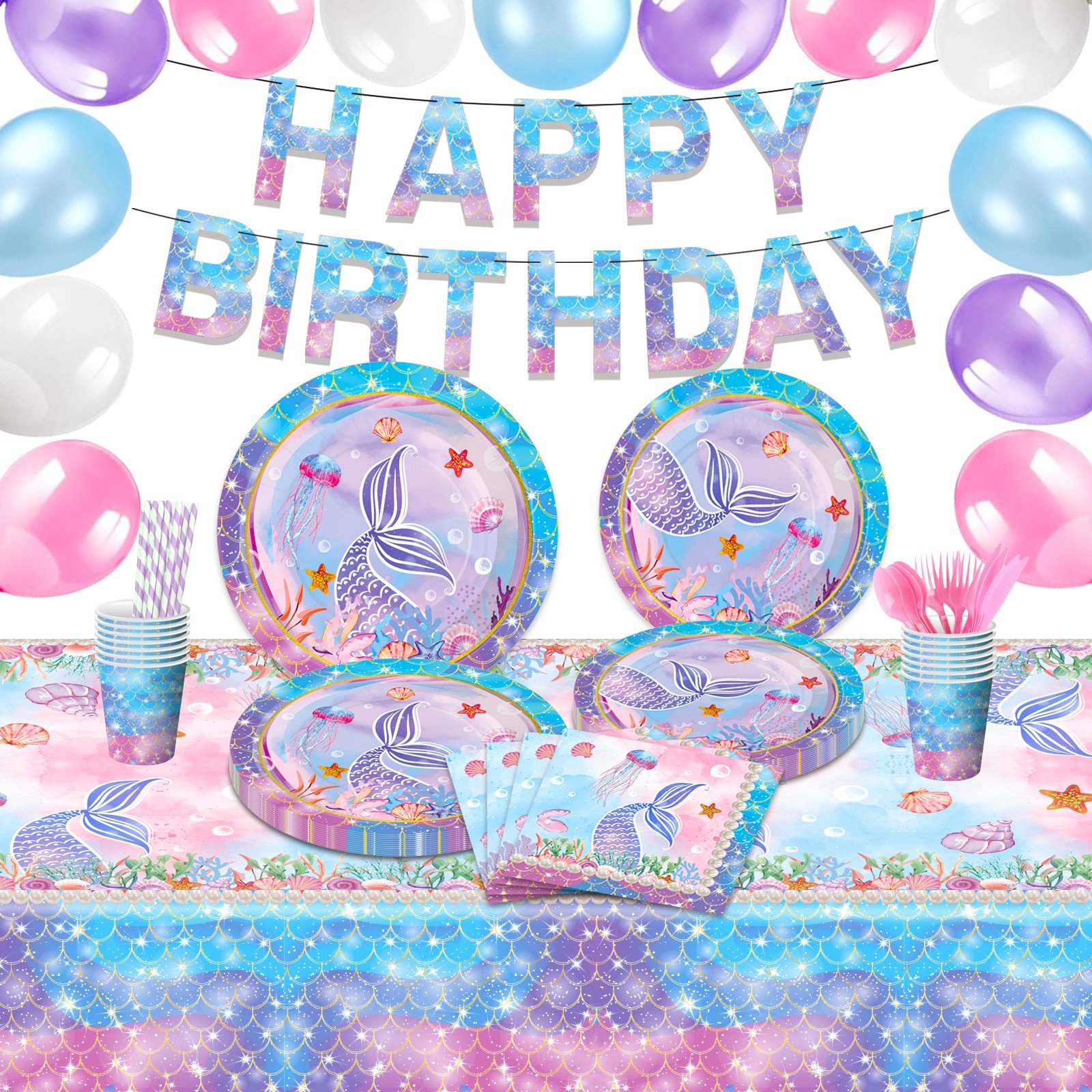
PT-060 covers the mermaid and under-the-sea theme in the same 96-piece format. Open the PT-060 product page.
Frequently Asked Questions
What are the best themes for first birthday party supplies wholesale?
I recommend milestone-led themes that parents can recognise quickly, such as Sweet One, Wild One, neutral baby animals, soft stars, clouds, or simple “One” designs. The best choice depends on the retail channel, but each theme should support coordinated tableware and photo-friendly decorations.
Should baby retailers stock licensed character first birthday party supplies?
I would stock character products only when the buyer has verified that the necessary licensing authorisation applies to the intended products and sales markets. If documentation is unavailable or unclear, original artwork is usually a lower-risk option for private-label and wholesale ranges.
What should buyers check on first birthday tableware?
Buyers should confirm material details, intended food-contact use where applicable, print and coating information, packaging labels, and product dimensions. I also recommend reviewing physical samples for appearance, sturdiness, odor, print quality, and coordination across the full range.
How many first birthday themes should a retailer carry?
I recommend starting with a small group of clearly different themes rather than many similar designs. A buyer may choose a neutral collection, a sweeter pastel collection, and one more playful option, then add depth through coordinated accessories instead of expanding into many weak ranges.
Why is sampling important for first birthday party products?
Sampling helps buyers assess the details that catalogue images cannot show clearly. I would use samples to review color accuracy, print alignment, material feel, packaging quality, warnings, and how well the products work together in a photographed party setting.
Conclusion
First birthday party supplies wholesale requires a more focused approach than general birthday sourcing. I recommend building around milestone-led messages, coordinated tableware, photo-friendly palettes, and a shallow but complete assortment across a few strong themes. Buyers should also verify materials, food-contact suitability where relevant, warnings, packaging labels, MOQs, samples, and any licensing documents before approving bulk production. If you are sourcing a private-label or wholesale baby party range, submit your RFQ at https://hkdayo.com/request-a-quote/ to discuss theme direction, sampling, packaging, and production requirements.
Hi, I'm Danson. I work closely with our manufacturing partners to develop and deliver seasonal decorations, party supplies, and celebration products for international wholesale buyers. Here, I share practical product knowledge, customization insights, and manufacturing experience to help buyers build successful seasonal collections.
Have a wholesale project in mind? Let's talk!
Discuss Your Wholesale Project Request a Wholesale QuotePlanning a Wholesale Order from China?
Share your product requirements, quantities and destination. Let's discuss your wholesale requirements.